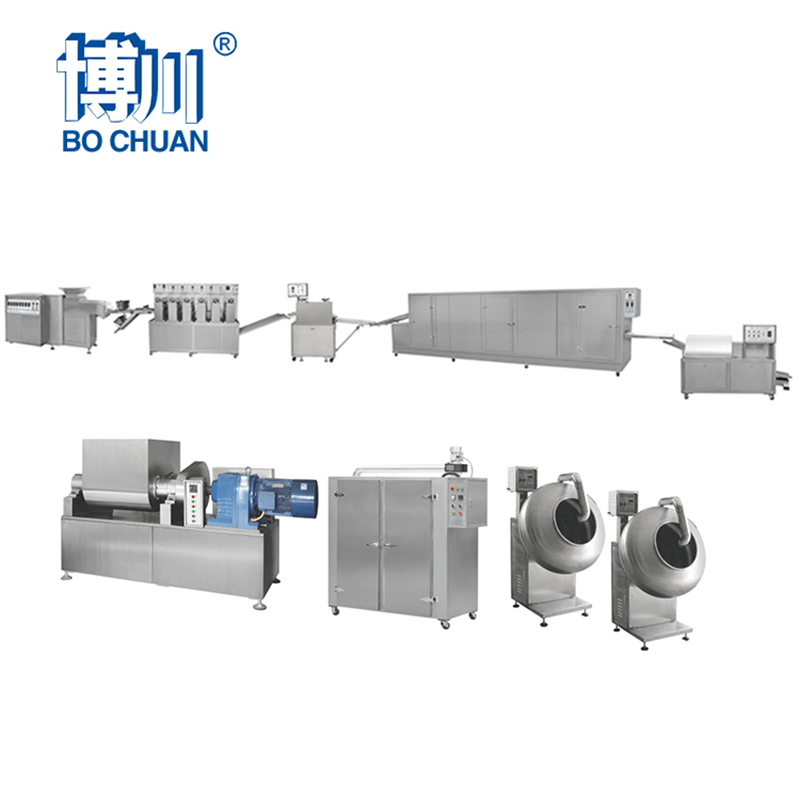
Featured Confectionery Production Systems
Explore our advanced high-capacity systems designed for precise cooking, depositing, forming, and packing of industrial confectionery.
Industrial Confectionery Manufacturing: Market Status & Demand
The global confectionery market is witnessing unprecedented growth, driven by shifting consumer preferences, technological breakthroughs, and the rising demand for functional and premium hard candies. Today's industrial confectionery manufacturing plants face the dual challenge of maximizing throughput while maintaining stringent hygiene and quality standards. As sugar-free variations, vitamin-infused lozenges, and multi-flavored hard candies gain market share, the demand for adaptable, high-efficiency hard candy making equipment has scaled.
Modern commercial production lines must operate seamlessly under continuous load. Traditional batch-cooking methods are rapidly giving way to continuous vacuum cooking systems, which preserve the clarity, texture, and flavor profiles of the ingredients. To remain competitive, manufacturing plants require machinery that minimizes energy consumption, reduces ingredient waste, and guarantees high-precision dosing, particularly when active ingredients or natural flavorings are involved.
Core Advantages of Modern Hard Candy Equipment
Precision Servo Depositing
Servo-driven depositing pumps ensure micro-milligram weight accuracy, crucial for medicated lozenges and multi-layered hard candies.
GMP & FDA Compliance
Built with premium sanitary SUS304/SUS316 stainless steel, featuring integrated CIP cleaning designs to eliminate contamination risk.
High-Speed Packaging Integration
Seamless handshakes between production lines and packaging machines prevent moisture absorption and speed up downstream logistics.
Deep Application Scenarios: Vacuum Servo Depositing vs. Die-Forming
Industrial plants deploy different processing pathways based on the physical properties and shapes of the target hard candies. The two most prominent production methods are Vacuum Servo Depositing and Rotary Die-Forming.
1. Vacuum Servo Depositing Systems
Depositing technology has revolutionized the confectionery industry. In a vacuum servo depositing production line, cooked sugar syrup is discharged into a depositing hopper, from which precise piston pumps inject the liquid candy mass directly into Teflon-coated molds. Because the process is entirely controlled by servo motors, manufacturers can produce clean, multi-colored striped candies, double-layered candies, and center-filled products with absolute consistency.
This application scenario is highly favored by pharmaceutical and nutraceutical companies producing functional lozenges, vitamins, or herbal hard candies. The lack of mechanical stress during forming means active ingredients are preserved, and the final candy piece has a smooth, glass-like surface without sharp flash edges.
2. Rotary Die-Forming Lines
For traditional, high-output operations producing uniform, simple shapes, rotary die-forming remains the industry standard. In this scenario, the cooked candy mass is tempered, pulled, and fed through a rope sizer. The continuous rope of candy is then fed into a high-speed rotary die-forming machine, where mechanical dies stamp out the individual candies.
This method is highly effective for high-capacity production of solid hard candies, hollow lollipops, or high-percentage liquid-filled candies. The mechanical forming process allows for massive throughput speeds, making it ideal for plants focusing on high-volume wholesale distribution.
Credit First, Quality Guaranty
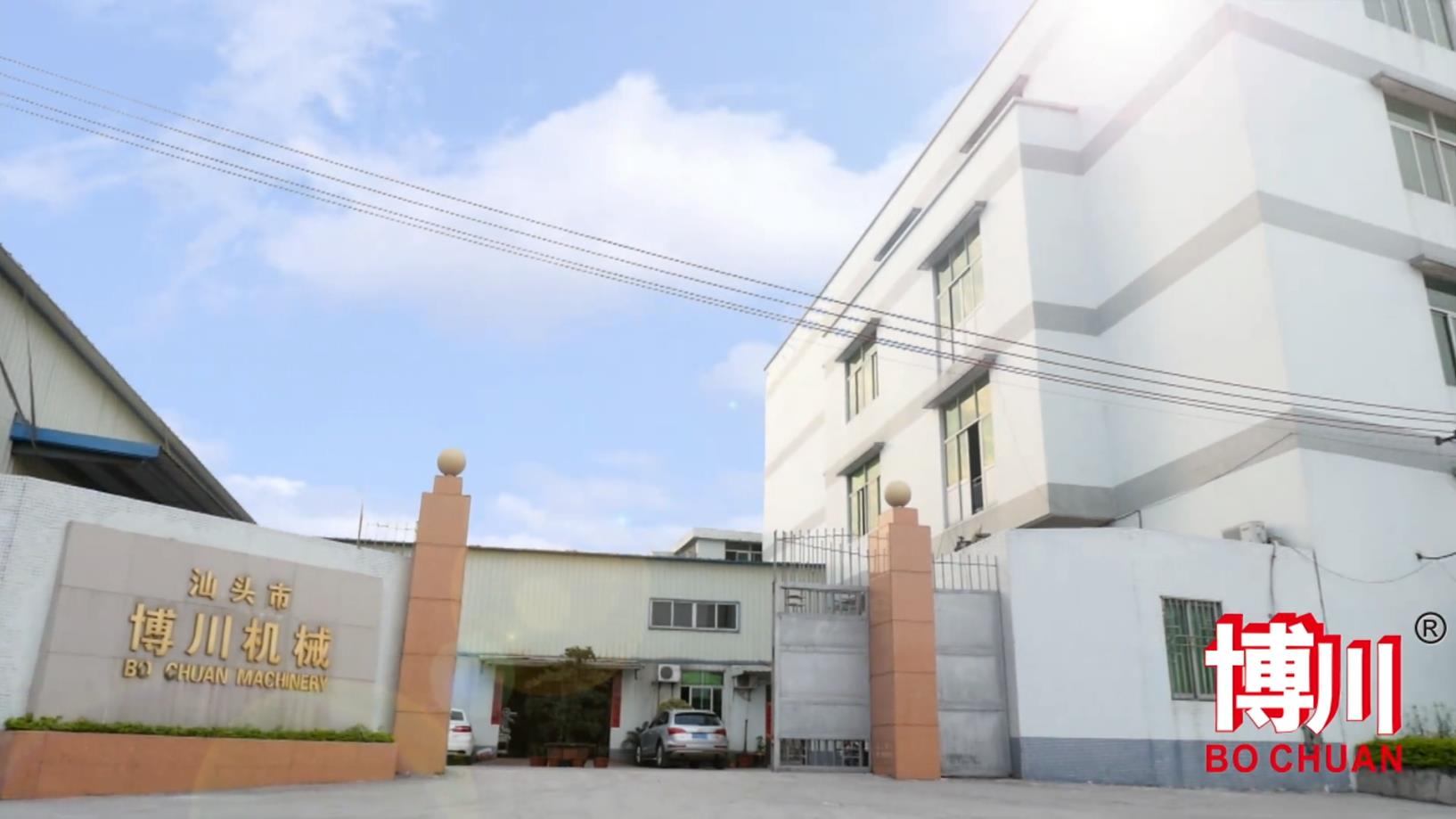
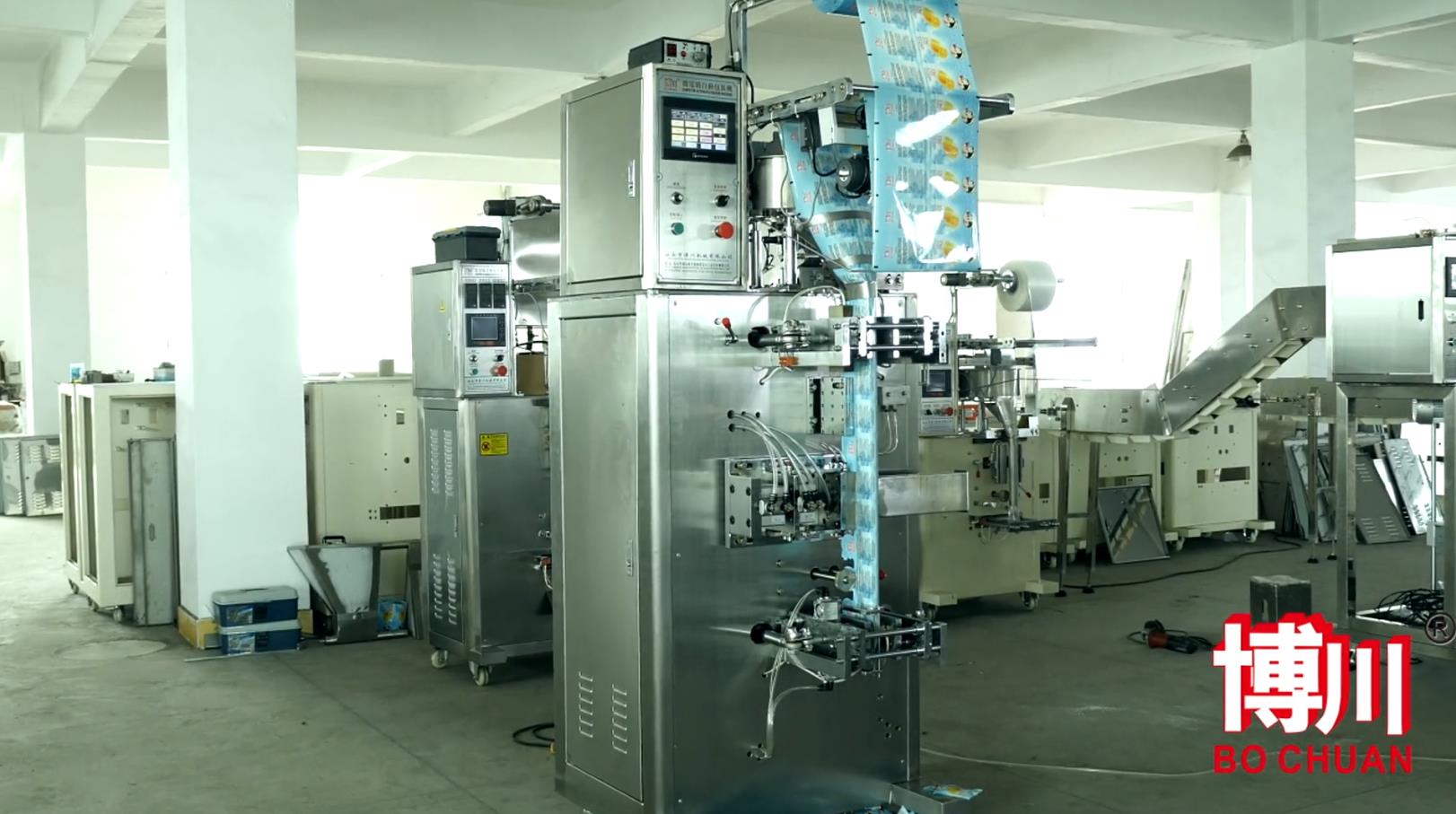
Guangdong Bochuan Machinery Technology Co., Ltd. specializes in researching, developing, manufacturing, and marketing of various candy machines and food packing machines. Since the establishment of the company, based on the market and customer requirements, we keep developing technology, researching, and upgrading. We have developed and manufactured series of high-quality candy machinery and food packing machinery; our products have a top evaluation at home and abroad.
Candy Food Machinery: Production Lines of Bubble Gum, Chewing Gum, Chocolate, Soft Candy, Hard Candy and Tablet Candy; Packaging Machinery: Vertical Packaging Machine, Pillow Packaging Machine, Flat Blister Packaging Machine, Lapel Weighing Packaging Machine, Bag Weighing Packaging Machine.
Solving Factory Space Constraints Through Customization
A significant challenge in industrial confectionery manufacturing is the physical limitation of the production workshop. Factories often have to work around existing structural pillars, low ceiling heights, or restrictive floor plans.
Due to the limitation of the production workshop of the customer company, we can customize the machine according to the actual situation of each customer, so that customers can use the machine to produce products within the existing space. Of course, for the operation of the machine, we also insist on making simple and easy to operate machines, so that customers can operate easily without worrying about the machine delaying production. Before the machine is shipped, our technicians will repeatedly debug the machine, adjust the machine to the best state, and the machine can enter the working state immediately after it arrives at the customer's company.
This level of engineering flexibility allows plants to implement L-shaped or U-shaped production layouts, optimizing the footprint of cooling tunnels, batch rollers, and packaging lines. By reducing the physical distance the product travels, plants also minimize the risk of candy deformation and moisture absorption during transport.
Smart Manufacturing & Industry 4.0 Trends in Confectionery Plants
As industrial manufacturing moves toward digital integration, hard candy production lines are incorporating smart sensors, IoT connectivity, and centralized PLC panels. These innovations allow factory managers to monitor real-time metrics such as cooking temperature, vacuum pressure, depositing speed, and cooling tunnel humidity from remote dashboards.
Predictive maintenance is another critical advancement. Vibration sensors on servo motors and thermal cameras on cooking vessels can detect wear and tear before a mechanical failure occurs. This minimizes unscheduled downtime, which is exceptionally costly in continuous food manufacturing. Furthermore, automated recipe management systems allow operators to switch between different candy formulations (e.g., changing from a standard sugar base to an isomalt sugar-free base) with a simple tap on an HMI screen, automatically adjusting cooking temperatures and cooling times.
Energy conservation is also driving equipment design. Next-generation vacuum cookers recycle waste heat from the steam condensation process to preheat incoming raw syrup, lowering the overall carbon footprint of the confectionery plant and reducing utility bills.
TRADE RELATIONS & GLOBAL REACH
Our company has established good trade relations with many countries in the world, including the United States, Russia, India, the United Kingdom, Pakistan, etc., to help customers develop new products, reduce labor, improve automated production, increase production, and bring economic benefits to customers.
Complete Confectionery & Packaging Equipment Range
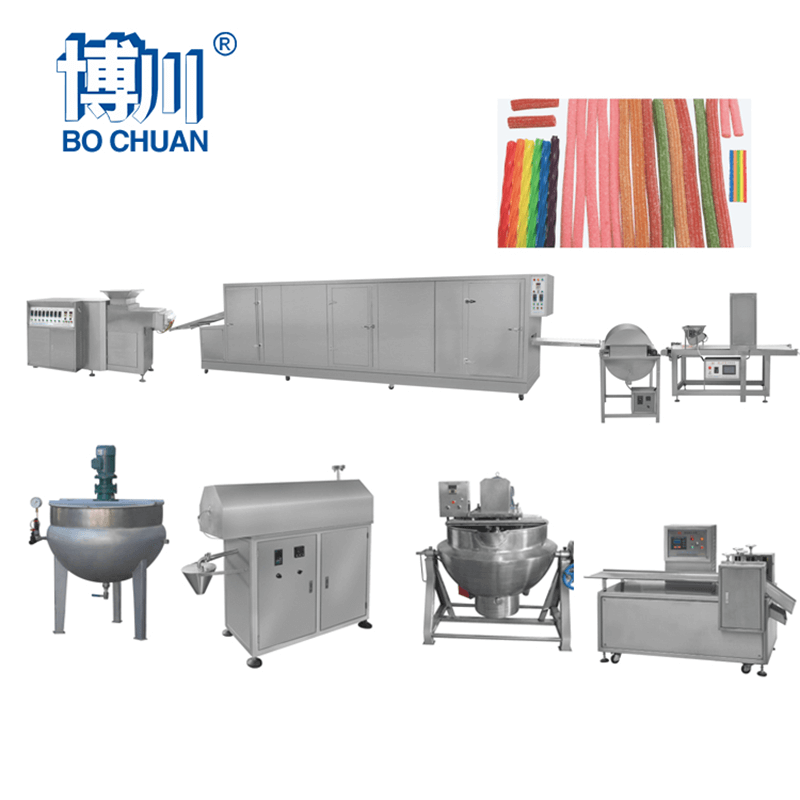
Starch Soft Candy, Cream Candy Production Line
Learn More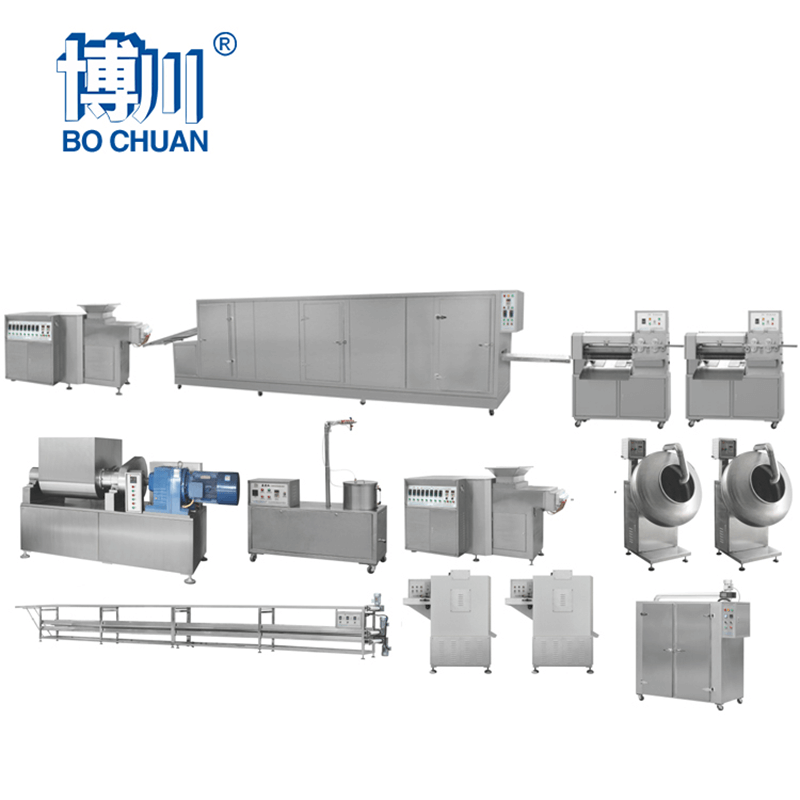
Special Shape Cream Candy and Bubble Gum Production Line
Learn More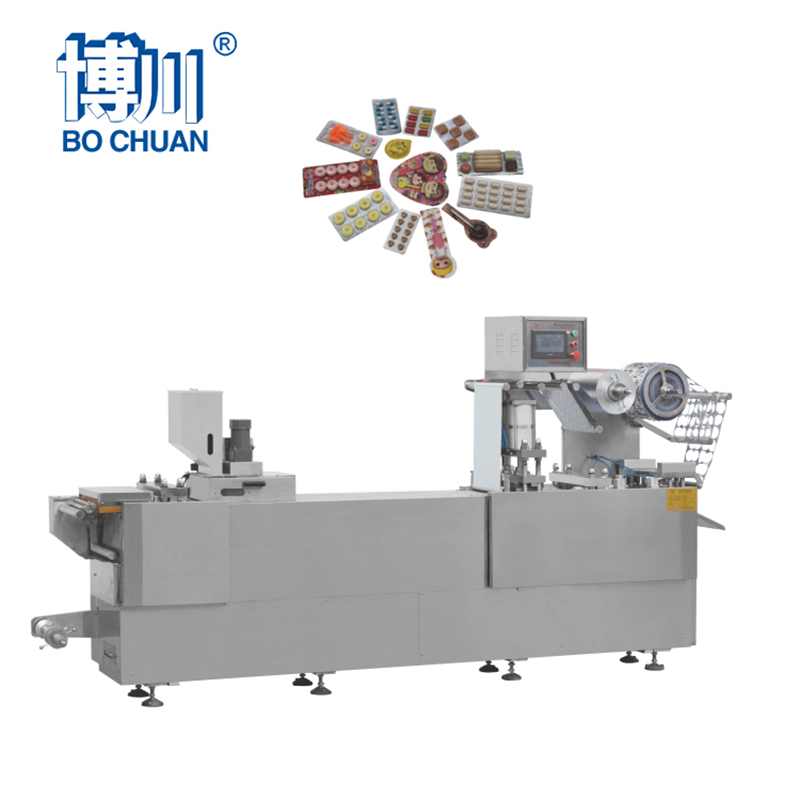
BC-320/420/550 Flat Aluminum-plastic Blister Packing Machine
Learn More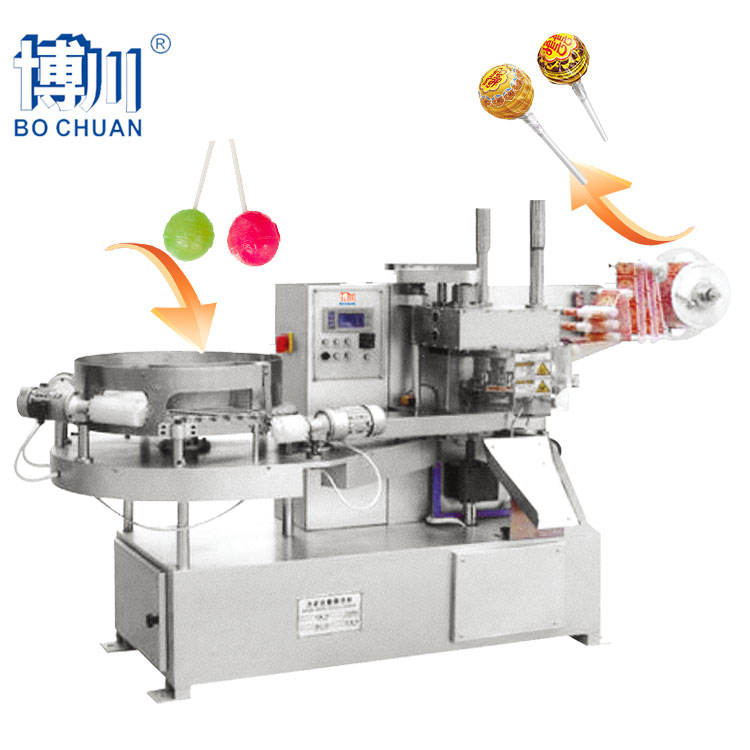
Lollipop Packaging Machine
Learn More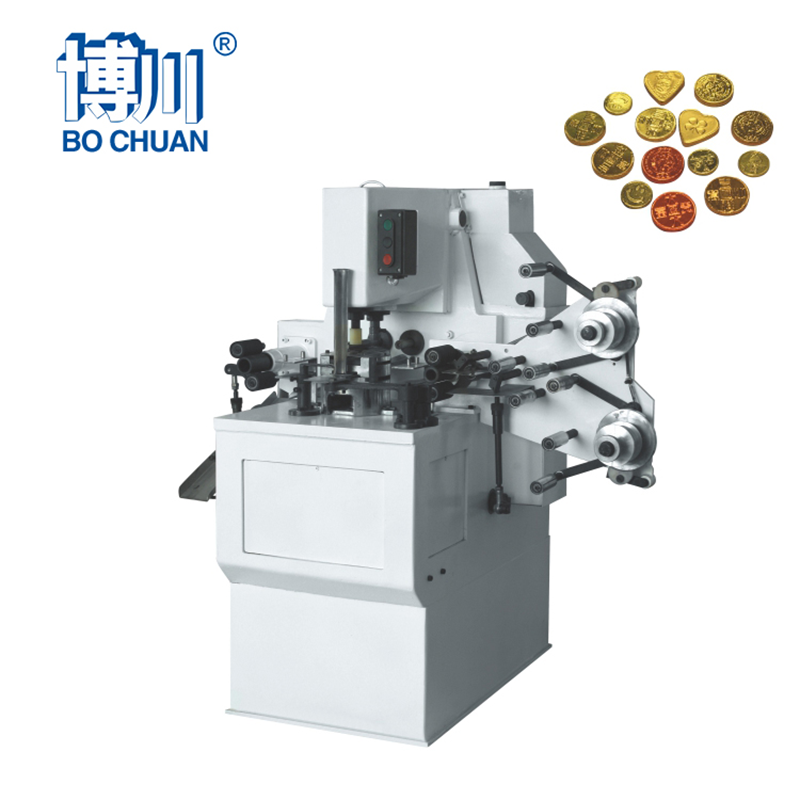
Golden Coin Chocolate/Bubble Gum Packing Machine
Learn More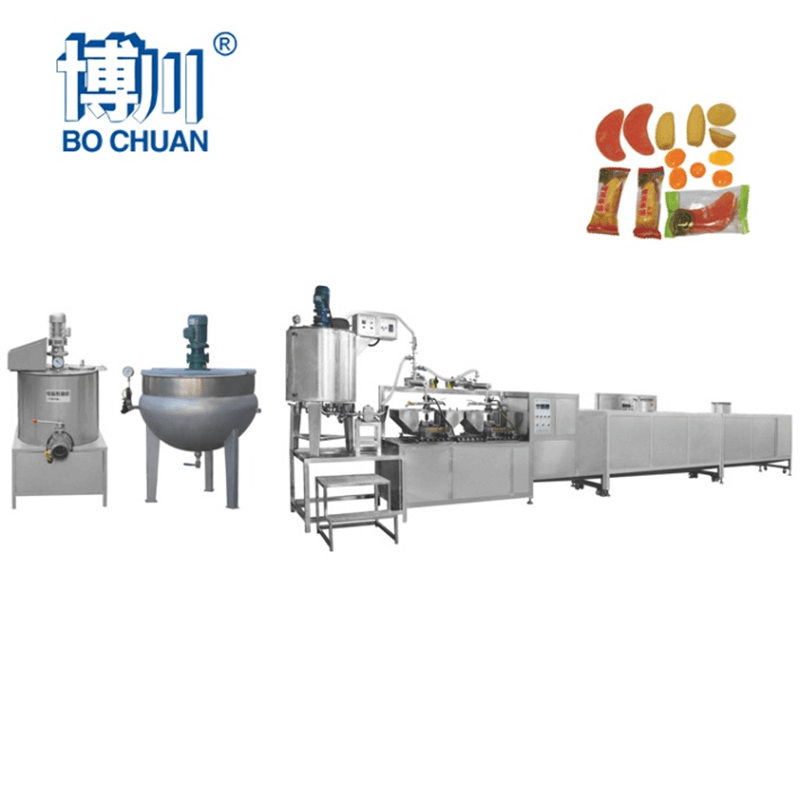
Hard Candy /Soft Candy Vacuum Servo Depositing Production Line
Learn More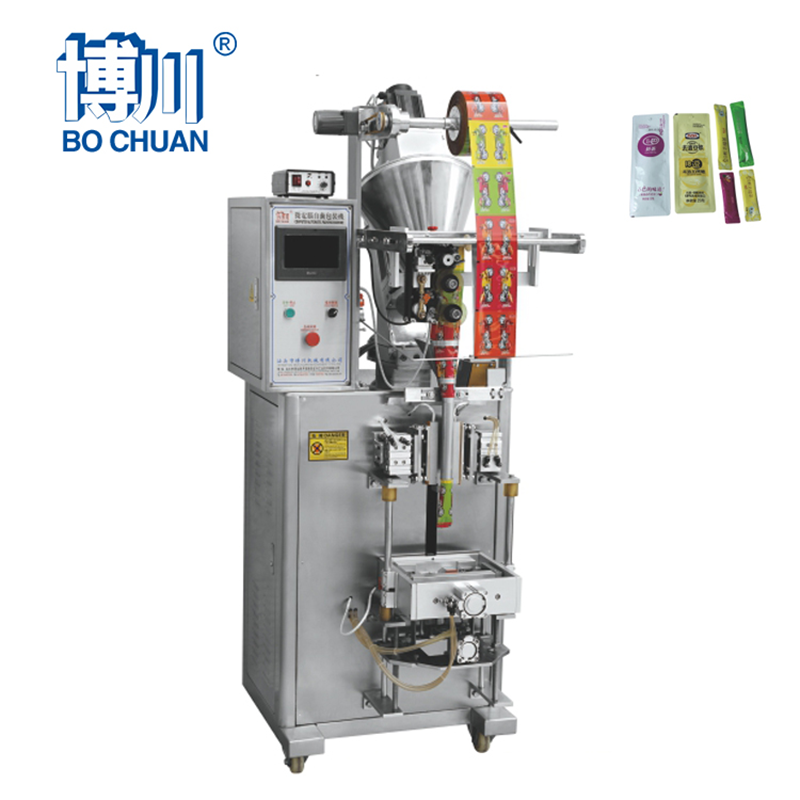
Manufacture factory Vertical Packing Machine for coffee Powder
Learn More