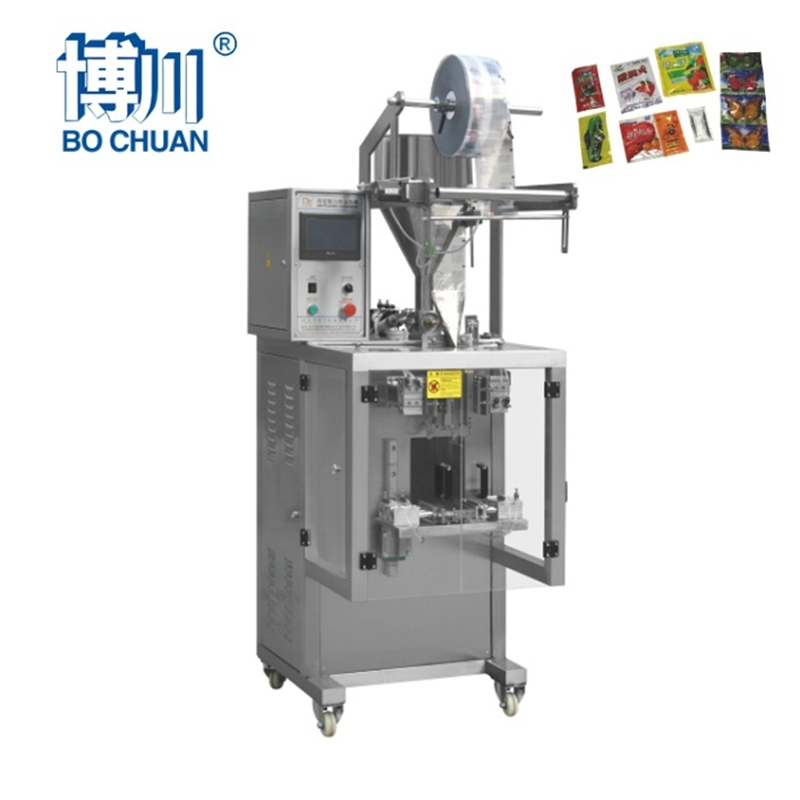
Featured Processing Equipment
High-precision systems designed for industrial confectionery manufacturing and automated packaging solutions.
The Industrial Boom of Gummy Confectionery: Gelatin and Pectin Dynamics
The global confectionery industry has witnessed a paradigm shift over the past decade. No longer considered just a treat for children, gummy candies have successfully penetrated the adult health and wellness markets. The rise of functional gummies—infused with vitamins, minerals, CBD, collagen, and other active pharmaceutical ingredients (APIs)—has turned the humble gummy maker machine into a highly sophisticated, pharmaceutical-grade production asset. Modern manufacturing facilities must now deploy versatile gelatin and pectin gummy candy production lines that can handle different gelling agents, precise dosing, and strict hygiene standards.
Gelatin has long been the traditional choice for gummy manufacturing, valued for its unique melt-in-the-mouth texture and elastic chewiness. However, the surge in demand for vegan, vegetarian, and clean-label products has propelled pectin to the forefront. Pectin, derived from citrus fruits and apples, offers a different mouthfeel—typically cleaner and less chewy—but requires vastly different processing parameters. A state-of-the-art gummy maker machine must adapt to these differences, managing precise temperature profiles, moisture levels, and deposition speeds to prevent pre-gelation and ensure product consistency.
According to recent market research, the global functional gummy market is projected to expand at a compound annual growth rate (CAGR) exceeding 12% over the next few years. This rapid expansion is driving manufacturers to seek out highly automated, flexible production lines capable of switching between gelatin and pectin formulations with minimal downtime.
Technical Breakdown: Processing Gelatin vs. Pectin
To understand the complexity of a gummy candy production line, one must look at the physical and chemical behavior of the gelling agents during the cooking and depositing stages:
1. Temperature Control and Viscosity Management
Gelatin-based mixtures are relatively forgiving. They remain fluid at temperatures around 60°C to 70°C and set slowly as they cool inside cooling tunnels. This allows for a longer window for depositing and molding. Pectin, on the other hand, is highly sensitive to pH levels and temperature. Pectin mixtures must be kept at higher temperatures (typically above 90°C) during depositing to prevent premature setting (pre-gelation). The gummy maker machine must feature jacketed hoppers and heated pipelines to maintain precise thermal control throughout the process.
2. Acid Dosing and pH Regulation
Pectin requires a precise acidic environment to set properly, usually within a pH range of 3.2 to 3.6. In a modern production line, acid is injected and mixed inline just before the depositor. This ensures that the gelling process is triggered at the exact moment the liquid enters the mold, preventing blockages in the depositor nozzles. Advanced servo-controlled dosing pumps are critical here to maintain consistent active ingredient distribution and gel strength.
Precision Depositing
Servo-driven pistons deliver exact weights per gummy, minimizing product giveaway and ensuring dosage accuracy for functional ingredients.
Multi-Agent Versatility
Quick-change recipe controls allow seamless switching between gelatin, pectin, carrageenan, and starch formulations.
Sanitary Design
Constructed with food-grade SUS304/316 stainless steel and integrated with Clean-In-Place (CIP) systems for rapid sanitization.
Guangdong Bochuan Machinery: Confectionery Production Leaders
Guangdong Bochuan Machinery Technology Co., Ltd. specializes in researching, developing, manufacturing, and marketing of various candy machines and food packing machines. Since the establishment of the company, based on the market and customer requirements, we keep developing technology, researching, and upgrading. We have developed and manufactured series of high-quality candy machinery and food packing machinery; our products have a top evaluation at home and abroad.
Our commitment to excellence is reflected in our design philosophy: "Credit First, Quality Guaranty". We understand that every manufacturing facility has unique space limitations and production targets. Therefore, we offer custom-tailored solutions to fit your exact factory layout, ensuring maximum throughput within your existing footprint.
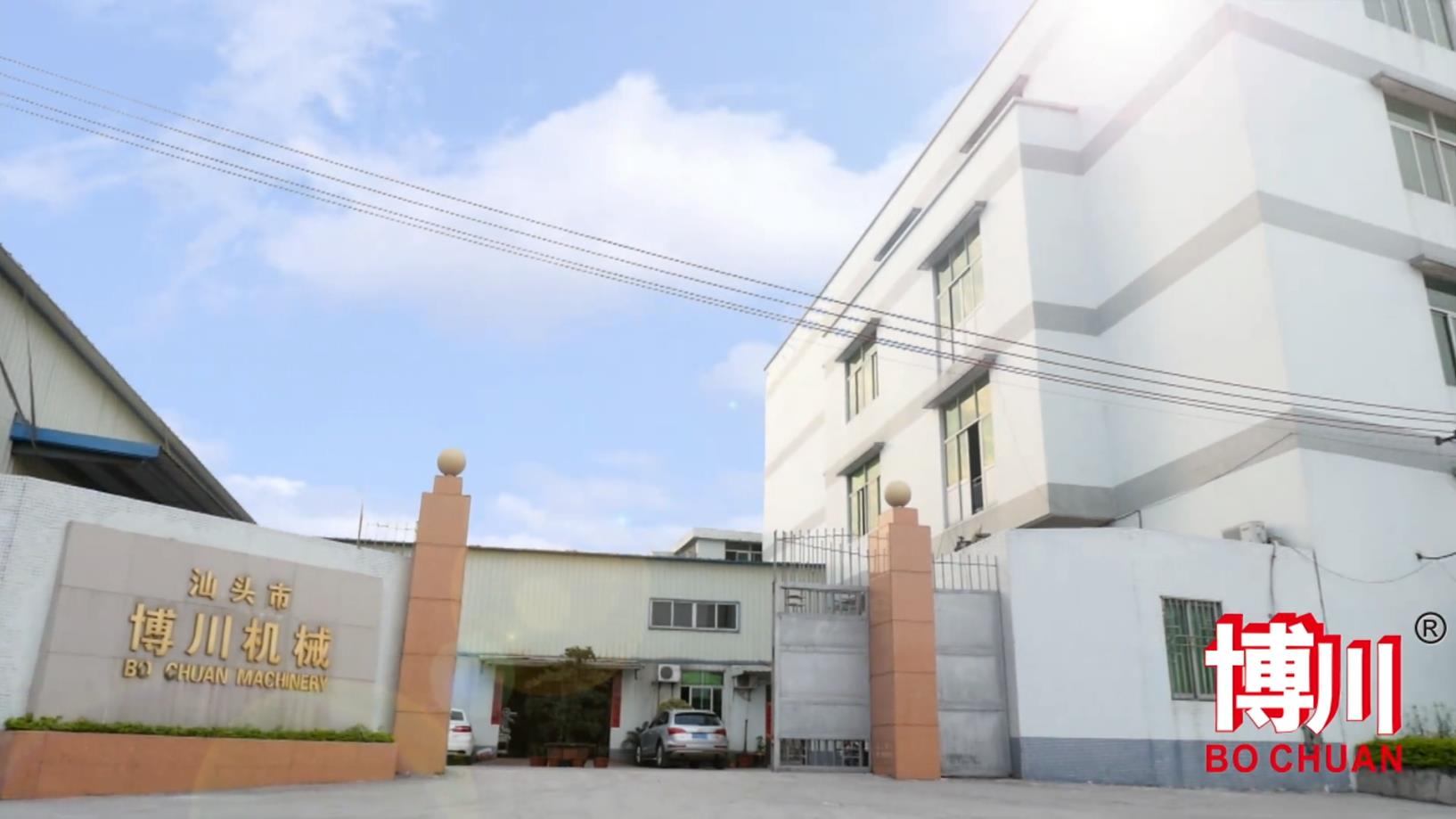
The Anatomy of an Industrial Gummy Candy Production Line
A complete gelatin and pectin gummy candy production line is a highly integrated system consisting of several key stages, each designed to maintain product quality, hygienic standards, and high-speed throughput:
1. Dissolving and Cooking System
The process begins in the kitchen. Ingredients such as sugar, glucose, water, and gelling agents (gelatin or pectin) are weighed and mixed. A jacketed dissolving cooker heated by steam or thermal oil dissolves the mixture into a homogeneous slurry. For high-capacity lines, a vacuum cooker is utilized to remove excess moisture at lower temperatures, preserving the color and flavor profiles of the ingredients while saving energy.
2. Additive Dosing and Mixing (CFA System)
Once the base syrup is cooked, it passes to the Color, Flavor, and Acid (CFA) dosing system. This is a critical stage for functional and medicated gummies. Precise metering pumps introduce active ingredients, vitamins, colorants, and citric acid into the syrup. Static or dynamic mixers ensure that these additives are distributed uniformly without introducing air bubbles, which could ruin the clarity and appearance of the final gummy.
3. Servo-Controlled Depositing and Molding
The heart of the gummy maker machine is the depositor. Modern lines utilize starchless depositing technology, which deposits the liquid syrup directly into metal, silicone, or Teflon-coated molds. Servo-driven pistons offer unmatched accuracy, allowing for dual-color, layered, or center-filled (liquid-injected) gummies. Starchless depositing is highly favored in pharmaceutical applications because it eliminates the dust and cross-contamination risks associated with traditional starch mogul systems.
4. Cooling and Demolding
After deposition, the molds enter a continuous cooling tunnel. Controlled airflow and temperature pull the heat out of the gummies, causing them to solidify. Once cooled, a mechanical demolding system uses air pins and ejector plates to release the finished gummies onto a conveyor belt. The empty molds then cycle back to the depositor head for the next batch.
5. Finishing and Coating
Upon exiting the cooling tunnel, gummies are typically sticky. They are routed to a coating drum where they are treated with a thin layer of food-grade oil or wax (to prevent sticking and add shine) or tumbled in sugar or citric acid powder for a sour finish.
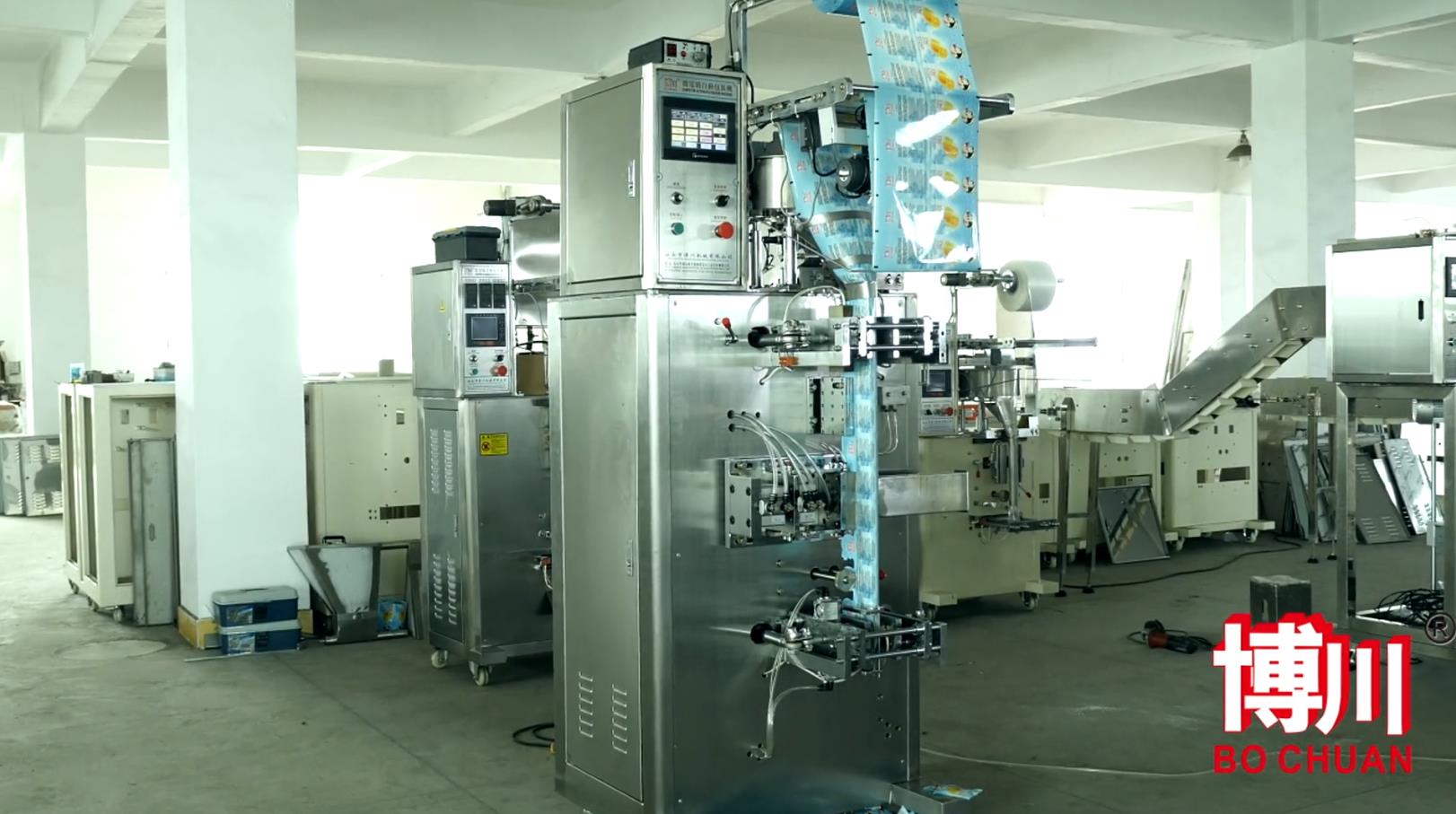
Customized Engineering for Diverse Confectionery Types
As detailed in our product catalog, our expertise extends across a wide range of candy food machinery: production lines of bubble gum, chewing gum, chocolate, soft candy, hard candy, and tablet candy. On the packaging side, we offer vertical packaging machines, pillow packaging machines, flat blister packaging machines, lapel weighing packaging machines, and bag weighing packaging machines.
Due to the limitation of the production workshop of the customer company, we can customize the machine according to the actual situation of each customer, so that customers can use the machine to produce products within the existing space. Of course, for the operation of the machine, we also insist on making simple and easy to operate machines, so that customers can operate easily without worrying about the machine delaying production. Before the machine is shipped, our technicians will repeatedly debug the machine, adjust the machine to the best state, and the machine can enter the working state immediately after it arrives at the customer's company.
Key Trends Shaping the Future of Gummy Manufacturing
As consumer preferences evolve, the technology behind gummy maker machines must adapt. Here are the prominent trends currently shaping the design and implementation of new production lines:
1. The Shift to Starchless Technology
Starchless depositing has become the industry standard for new installations, particularly in North America and Europe. By eliminating starch molds, manufacturers reduce clean-up times, eliminate starch drying rooms (which can take up to 24-48 hours), and significantly lower the footprint of the factory. Starchless systems enable a "cook-to-pack" time of under an hour, vastly improving operational efficiency.
2. Active Ingredient Precision and GMP Compliance
With gummies increasingly used as delivery vehicles for vitamins, melatonin, probiotics, and THC/CBD, dosage accuracy is paramount. Regulatory bodies like the FDA require strict adherence to Good Manufacturing Practices (GMP). This means gummy maker machines must feature advanced data logging, precise servo-driven filling pumps, and cleanable sanitary connections to prevent cross-contamination between batches.
3. Energy Efficiency and Automation (Industry 4.0)
Modern production lines are integrated with PLC touchscreens and IoT sensors that monitor steam pressure, temperature, viscosity, and cycle speeds in real-time. This data allows for predictive maintenance, reducing unexpected downtime. Energy recovery systems in the cooking and cooling phases also help manufacturers reduce their carbon footprint and utility costs.
Global Trade and Collaborative Growth
Our company has established good trade relations with many countries in the world, including the United States, Russia, India, the United Kingdom, Pakistan, etc., to help customers develop new products, reduce labor, improve automated production, increase production, and bring economic benefits to customers. By providing end-to-end support—from recipe development and machinery customization to installation, testing, and after-sales maintenance—we ensure our global partners remain competitive in a fast-paced market.
Our Complete Confectionery & Packaging Catalog
Explore our full range of high-performance production lines and automated packaging machinery.
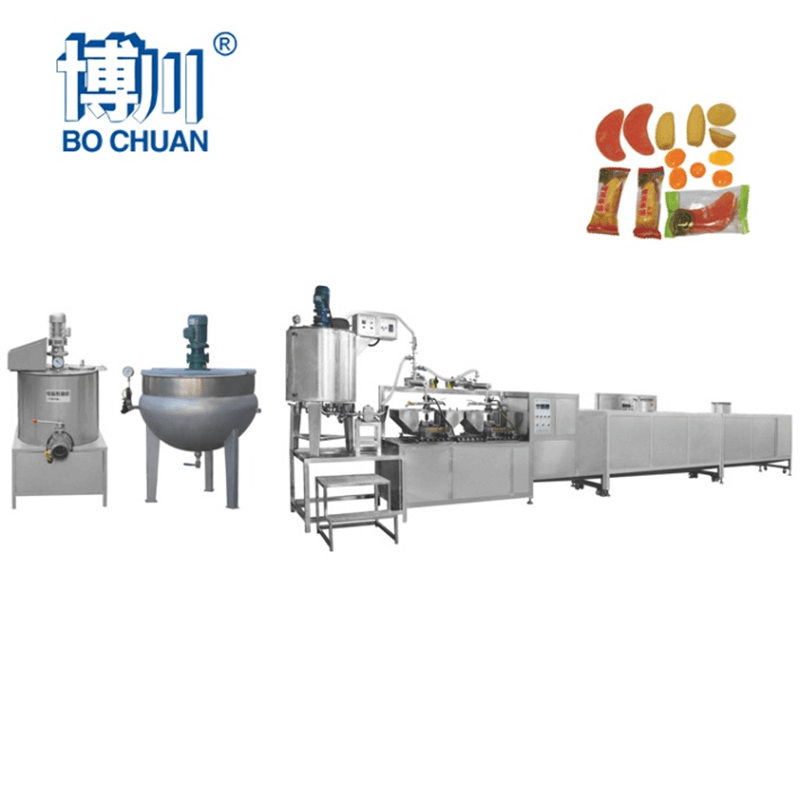
Hard & Soft Candy Vacuum Servo Depositing Line
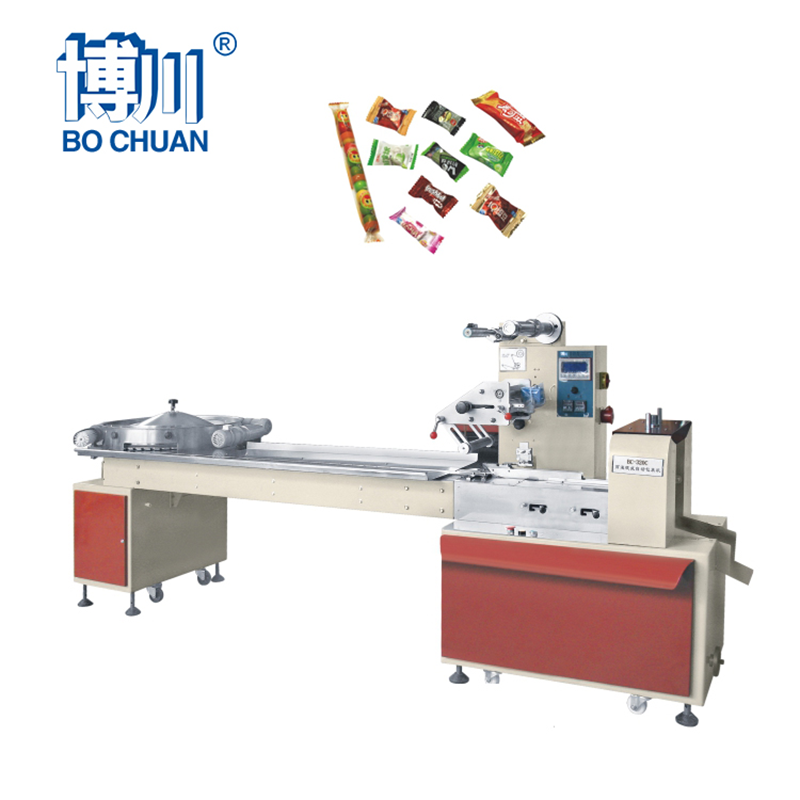
High-Speed Pillow Packing Machine
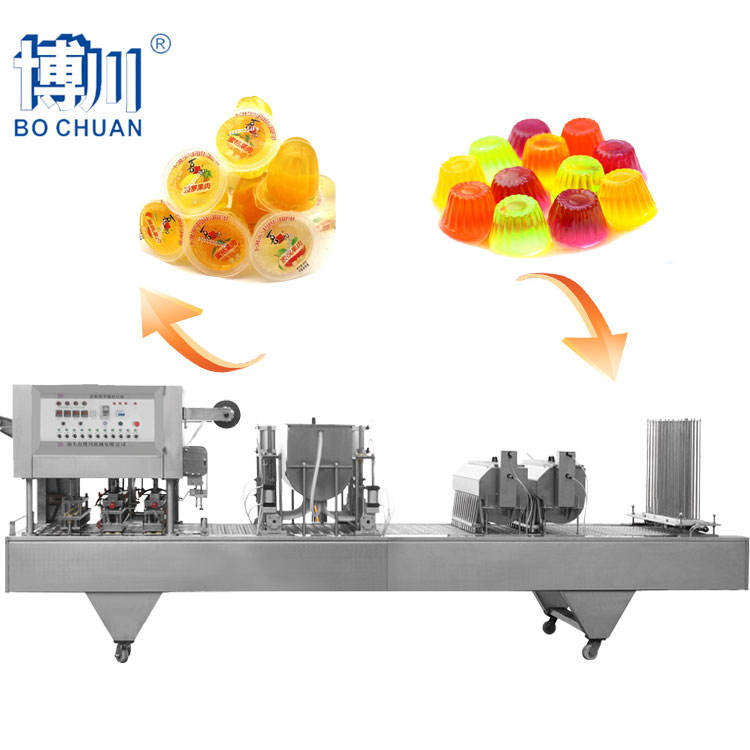
Jelly & Chocolate Auto Filling Sealing Machine
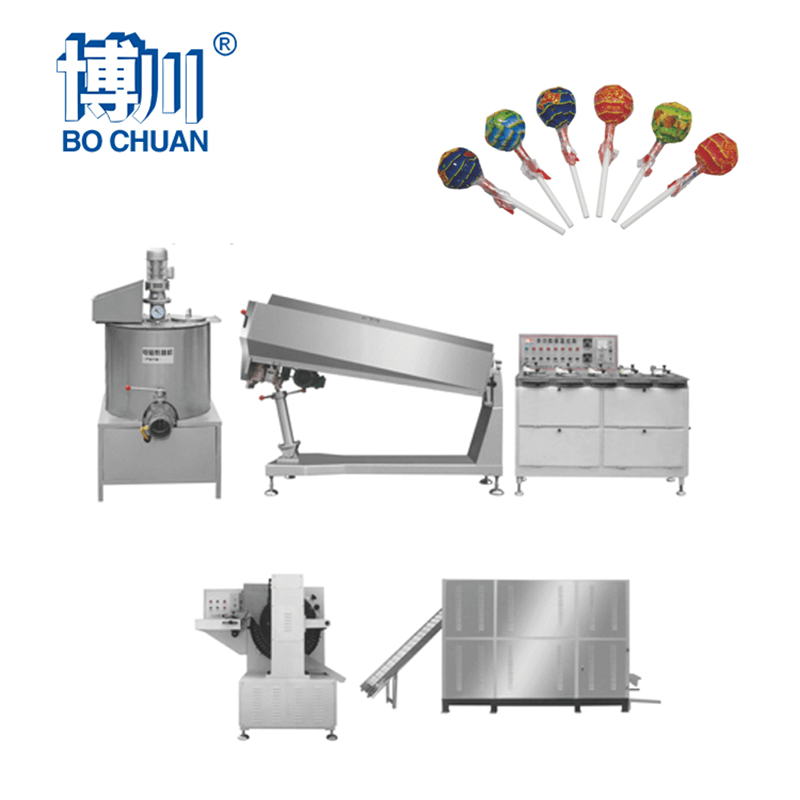
Lollipop & Hard Candy Forming Production Line
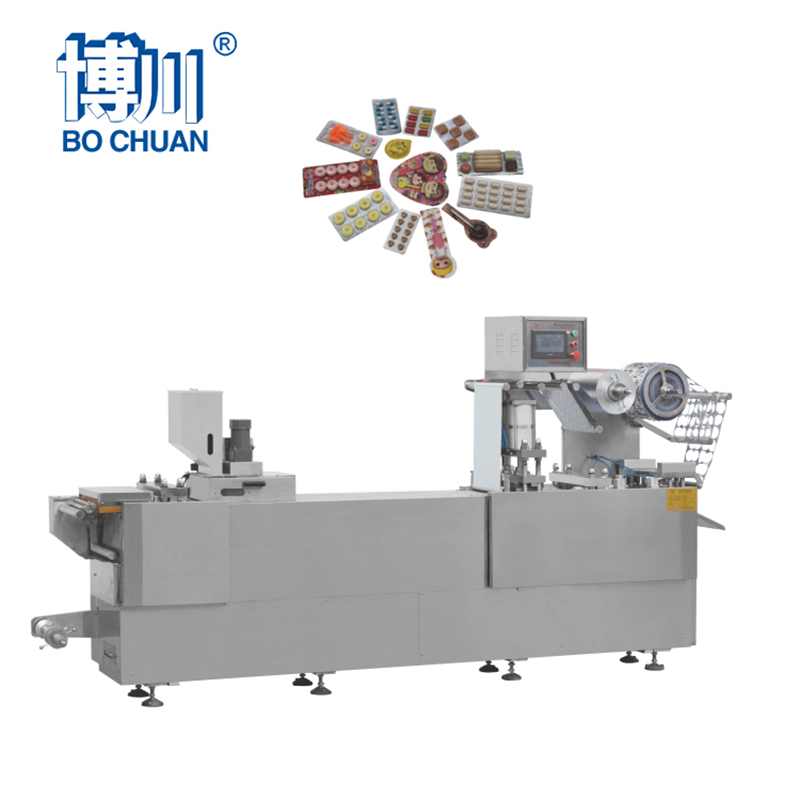
Flat Aluminum-Plastic Blister Packing Machine
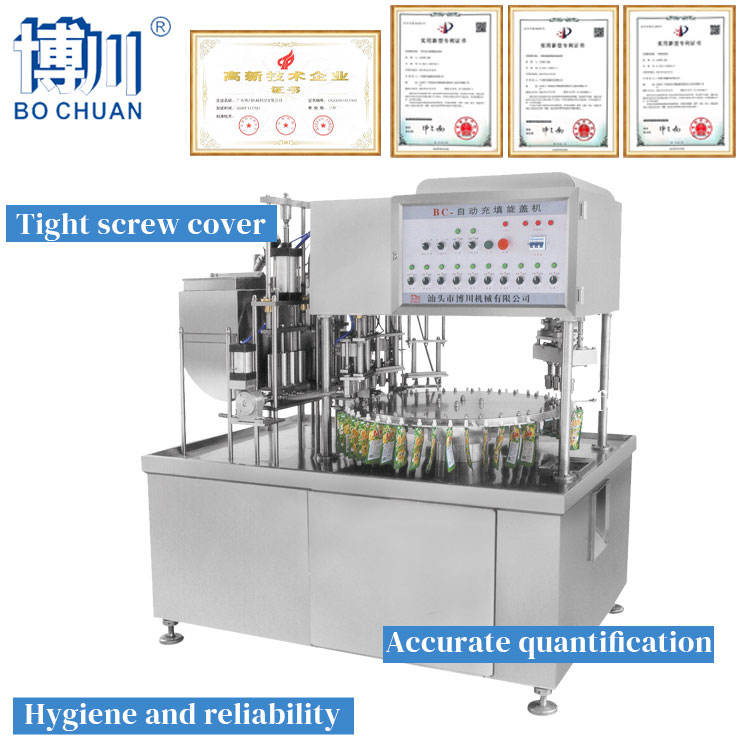
Auto Jelly Filling, Capping & Tightening Machine
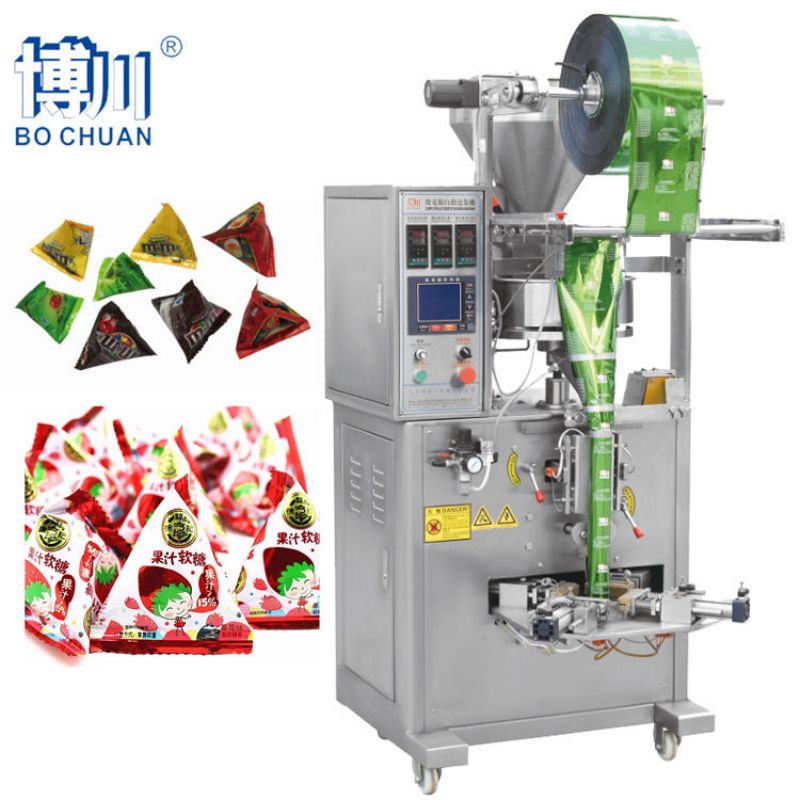
Microcomputer Triangle Packing Machine