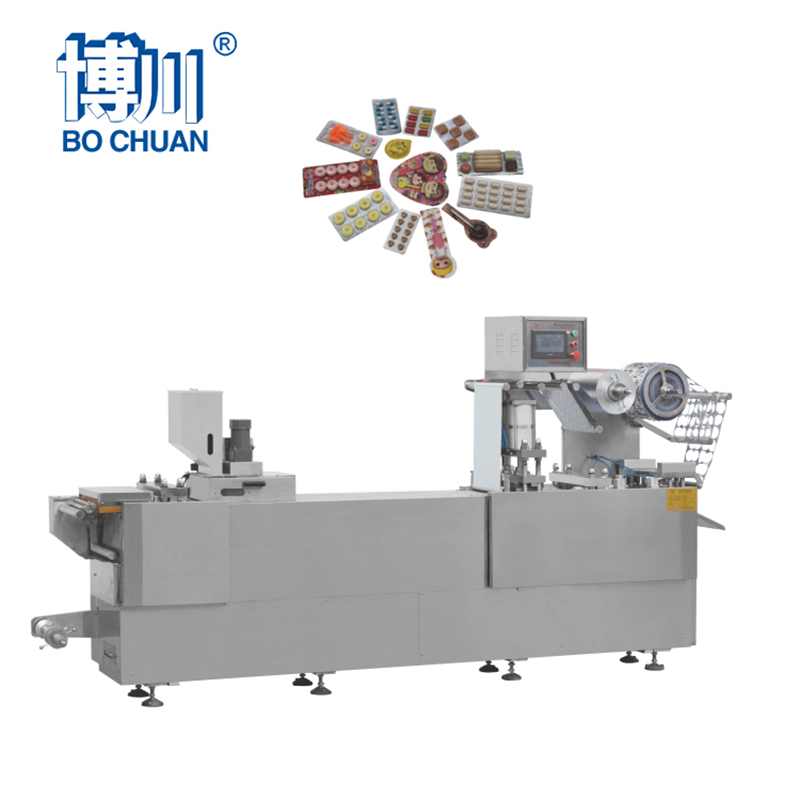
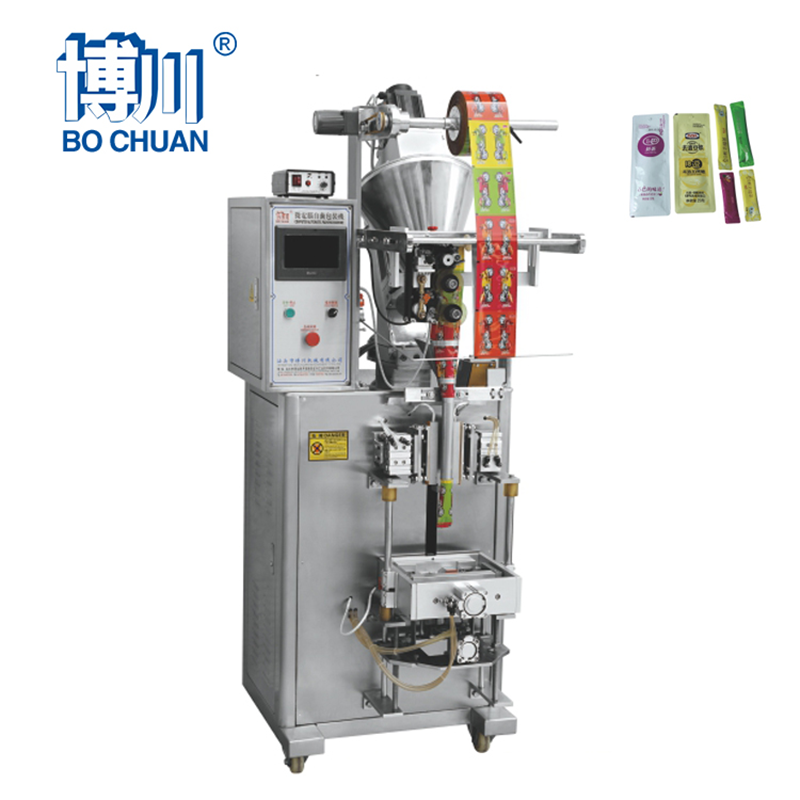
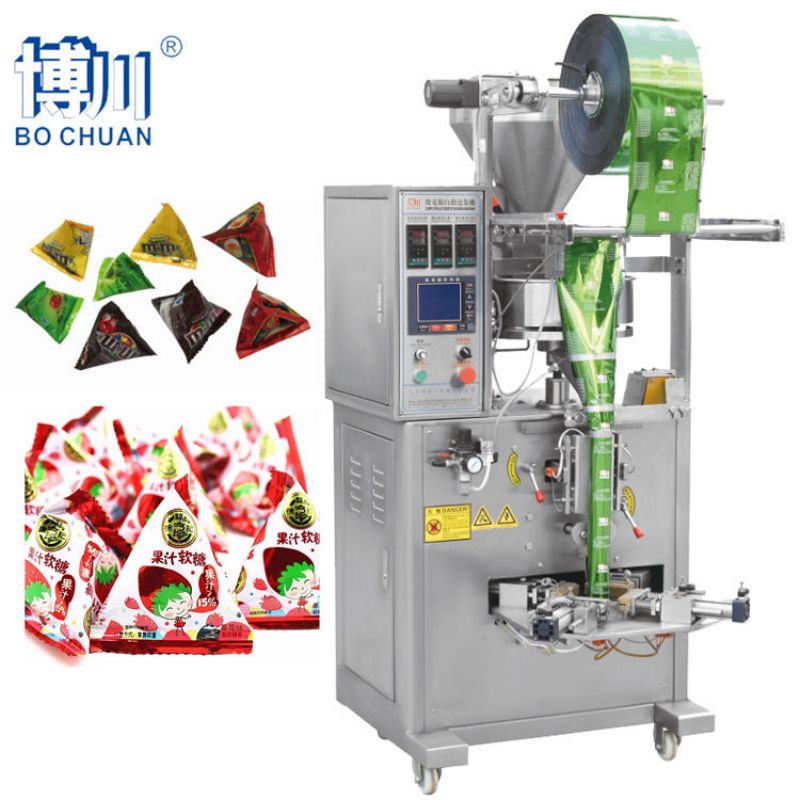
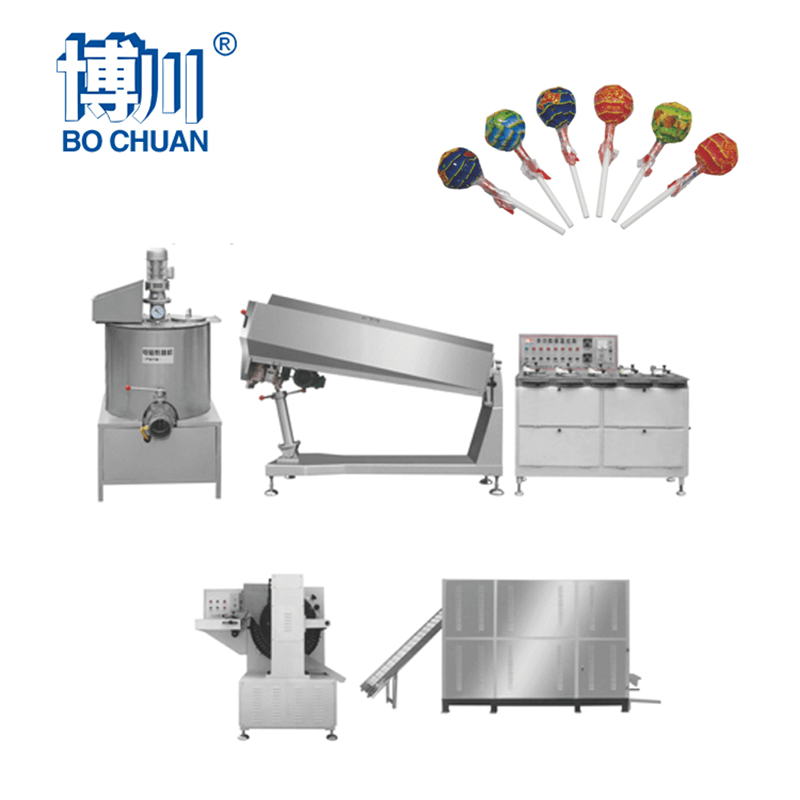
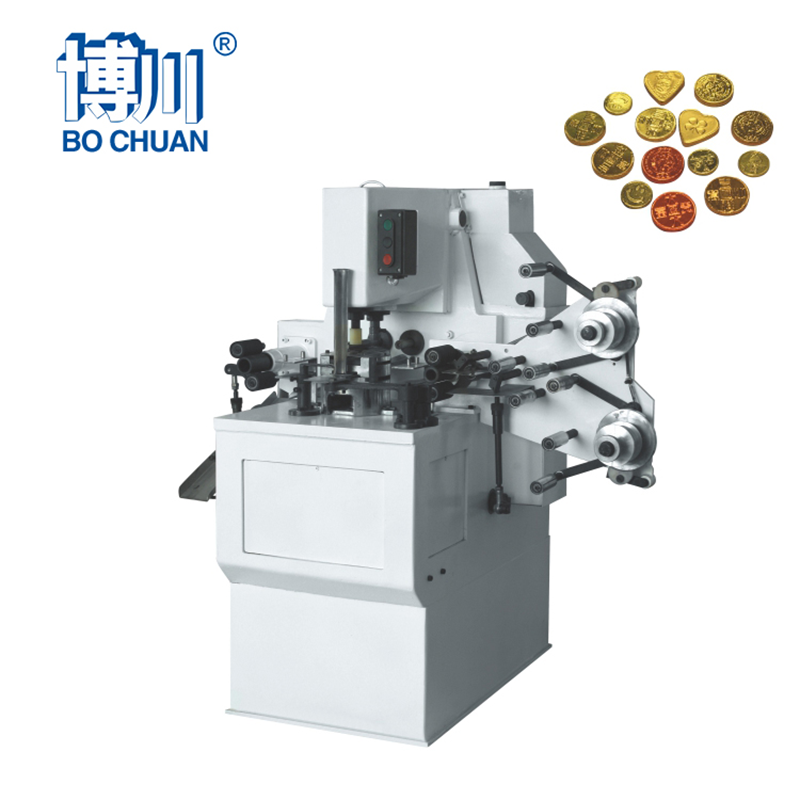
Featured Candy Production & Packaging Equipment
The Global Boom of Gummy Candy Manufacturing
The global confectionery market has witnessed a significant paradigm shift over the past decade. Once regarded strictly as a sweet treat for children, gummy candies have evolved into a major vehicle for health, wellness, and functional nutrition. The rise of active ingredient infusion—such as vitamins, minerals, CBD, collagen, and dietary fibers—has transformed the humble gummy bear into a multi-billion-dollar nutraceutical market segment.
To keep pace with this surging demand, confectionery manufacturers require highly efficient, automated, and versatile machinery. A modern gummy bear making machine must be capable of processing various gelling agents—primarily gelatin and pectin—each presenting distinct thermodynamic and chemical properties. Achieving consistent texture, shape, and active ingredient dosing accuracy requires state-of-the-art confectionery production lines that minimize waste, maximize output, and adhere to strict sanitary standards.
Did You Know? The shift towards vegan and plant-based diets has accelerated the demand for pectin-based gummy formulations, forcing manufacturers to adopt flexible deposition technologies capable of handling different setting rates and temperatures.
Gelatin vs. Pectin: Processing Dynamics in Gummy Production Lines
Understanding the fundamental differences between gelatin and pectin is critical when selecting or configuring a gummy candy production line. Each gelling agent behaves differently during the cooking, mixing, depositing, and cooling phases.
1. Gelatin-Based Gummy Candy Production
Gelatin is an animal-derived protein that provides the classic elastic, chewy, and melt-in-the-mouth texture that consumers traditionally associate with gummy bears. From a processing standpoint, gelatin requires careful temperature management:
- Thermal Sensitivity: Gelatin is sensitive to high temperatures. Boiling or overheating gelatin for extended periods can degrade its protein structure, reducing its bloom strength (gelling capacity). Therefore, gelatin is typically hydrated separately and added to the syrup mixture after the primary cooking phase.
- Setting Temperature: Gelatin-based gummies set relatively slowly at cooler temperatures (typically around 15°C to 20°C). This necessitates a longer passage through a dedicated cooling tunnel to achieve sufficient hardness before demolding.
2. Pectin-Based Gummy Candy Production
Pectin is a structural heteropolysaccharide derived from plant cell walls, commonly citrus fruits or apples. It is the primary ingredient used to manufacture vegan, organic, and clean-label gummy candies. Pectin requires precise chemical control during production:
- Rapid Setting (High-Methoxy Pectin): Pectin gels quickly under specific acidic conditions (pH 3.2 to 3.5) and high soluble solids content (typically above 65% Brix). Once the acid is added, the gelation process triggers rapidly.
- Temperature Requirements: Pectin mixtures must be deposited at higher temperatures (usually around 90°C to 100°C) to prevent premature gelling in the hopper or depositing nozzles. Once deposited, they set faster than gelatin and do not necessarily require sub-zero cooling temperatures.
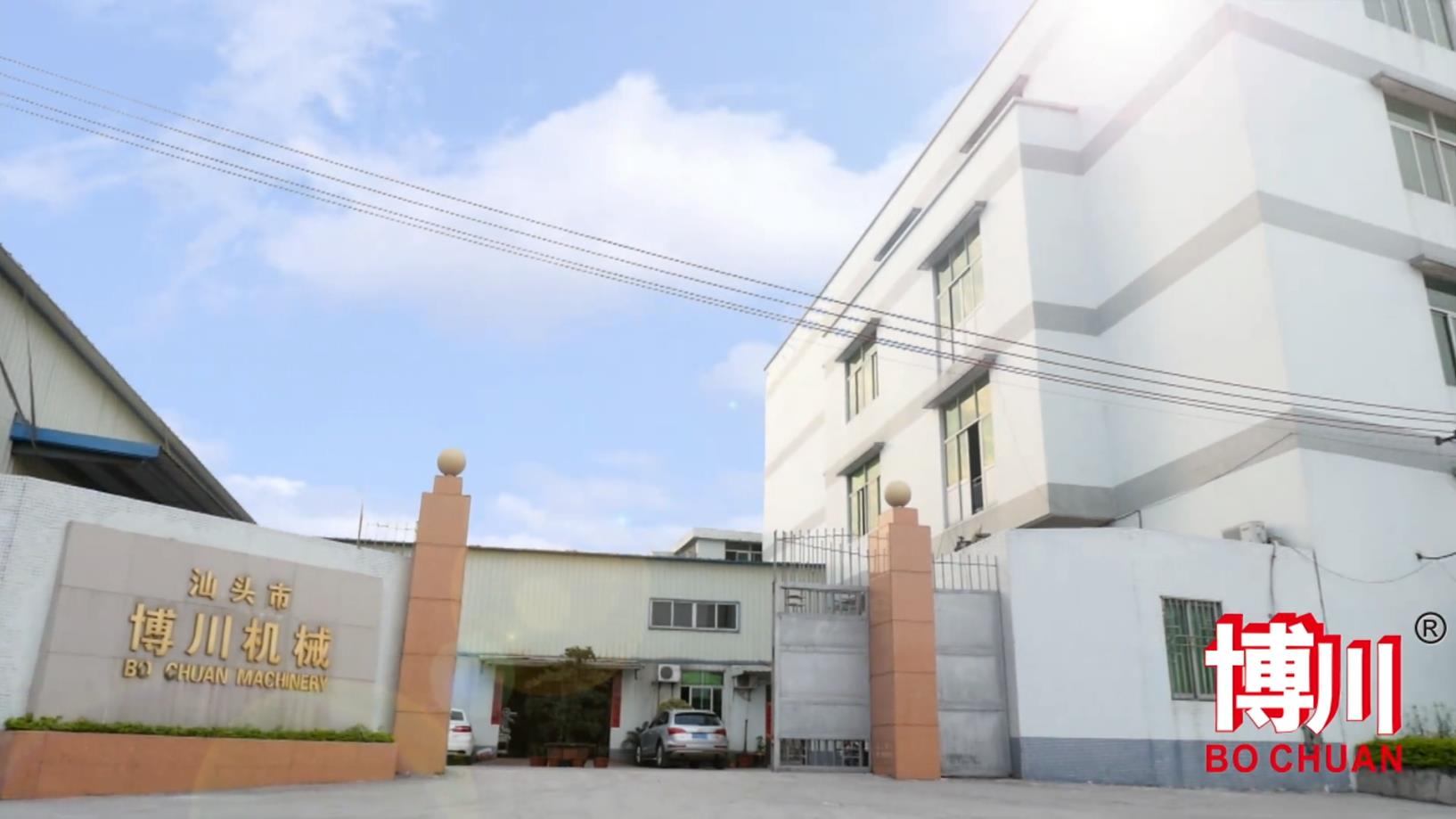
Guangdong Bochuan Machinery Technology Co., Ltd.
Guangdong Bochuan Machinery Technology Co., Ltd. specializes in researching, developing, manufacturing, and marketing of various candy machines and food packing machines. Since the establishment of the company, based on market and customer requirements, we keep developing technology, researching, and upgrading.
We have developed and manufactured a series of high-quality candy machinery and food packing machinery. Our products have a top evaluation both at home and abroad. By focusing on engineering precision and user-friendly designs, we ensure our clients receive robust machinery that optimizes production efficiency and product quality.
Anatomy of a High-Performance Gummy Candy Production Line
A fully automated gummy bear production line is a complex system of interconnected machines designed to take raw ingredients and transform them into packaged, retail-ready products. Below is a detailed breakdown of the critical phases involved in the process:
1. The Cooker and Dissolving System
The production process begins with the preparation of the slurry. Jacketed dissolving tanks equipped with high-shear agitators dissolve sugars, glucose syrup, water, and gelling agents. For continuous production, a microfilm cooker or jet cooker is utilized to rapidly heat the mixture to the exact moisture levels required, ensuring consistent Brix levels before depositing.
2. Color, Flavor, and Acid (CFA) Dosing System
Once the base syrup is cooked, it is transferred to a dynamic or static mixing system where colors, flavors, and acids (such as citric or malic acid) are introduced. In nutraceutical production, this is also the stage where active ingredients (vitamins, CBD, etc.) are precisely dosed. Advanced servo-driven dosing pumps ensure that each gummy contains the exact required dosage of active compounds, minimizing active ingredient degradation from heat.
3. Starchless Depositing and Mold Systems
Traditional gummy production relied on starch mogul systems, which used cornstarch molds. Modern industrial lines have shifted heavily toward starchless depositing technology. Metal molds lined with Teflon or food-grade silicone molds are used. Starchless depositing offers several key advantages:
- Hygiene and Cleanliness: Eliminates airborne starch dust, creating a cleaner, GMP-compliant manufacturing environment suitable for pharmaceuticals and nutraceuticals.
- Faster Production Cycles: Gummies can be demolded in a fraction of the time compared to starch-based systems, which require up to 24 hours of drying time.
- High Precision: Servo-driven depositor nozzles distribute precise weights of syrup into each mold cavity, minimizing weight variation.
4. Cooling Tunnel and Demolding
After depositing, the filled molds enter a multi-tier cooling tunnel. Controlled airflow and temperature ensure the gummies solidify uniformly. At the exit of the cooling tunnel, a mechanical demolding system—often utilizing air assist and pins—ejects the gummies from the molds onto a conveyor belt.
5. Finishing: Oil Coating or Sugar Sanding
Depending on the desired final product, the demolded gummies are sent to a coating drum. Here, they are either lightly coated with food-grade oil or wax (to prevent sticking and add shine) or tumbled with sugar or sour acid crystals.
Credit First, Quality Guaranty
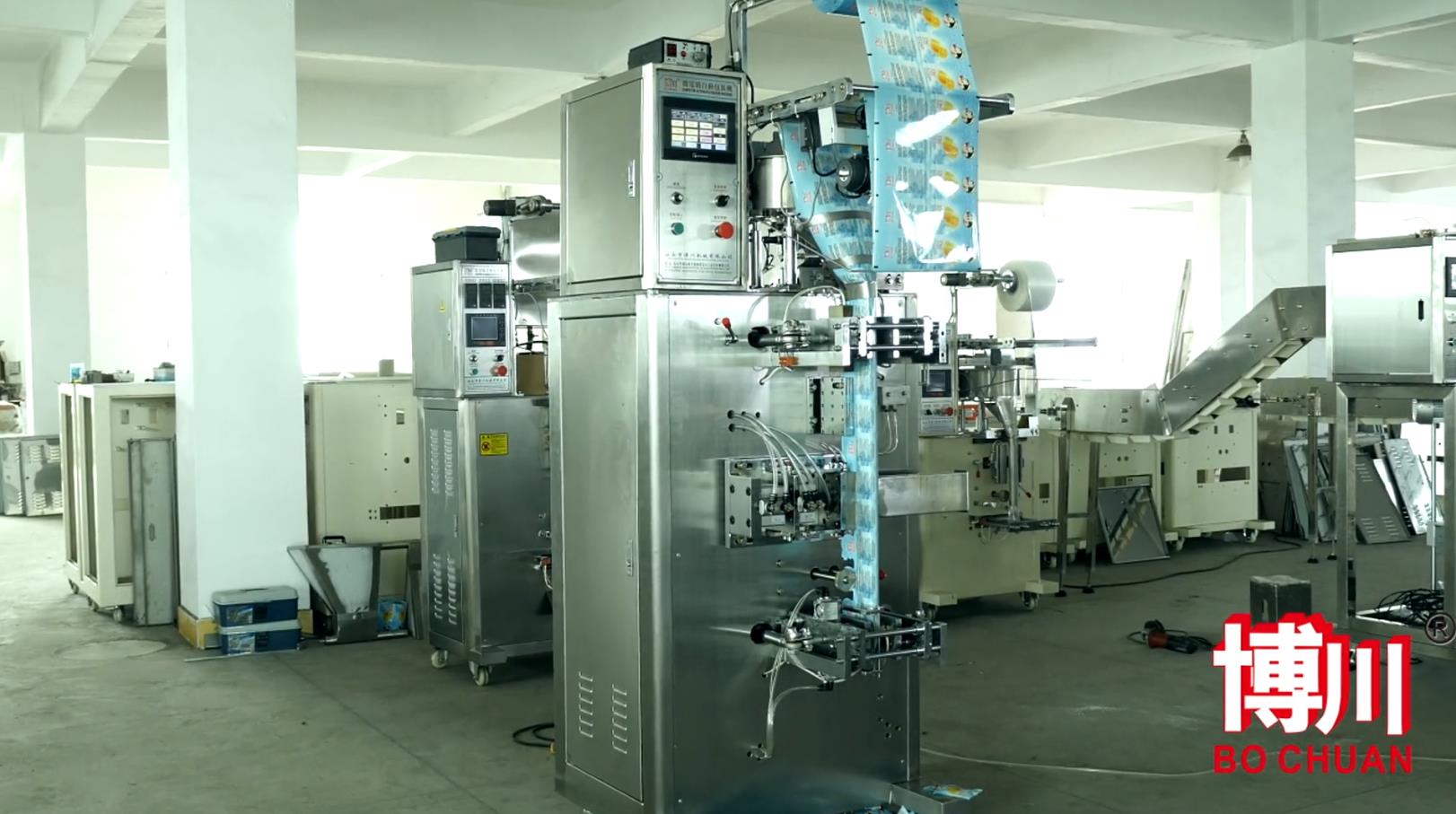
Our comprehensive portfolio includes Candy Food Machinery: Production lines of bubble gum, chewing gum, chocolate, soft candy, hard candy, and tablet candy. We also specialize in Packaging Machinery: Vertical packaging machines, pillow packaging machines, flat blister packaging machines, lapel weighing packaging machines, and bag weighing packaging machines.
Due to the limitations of the production workshops of some customers, we can customize the machine according to the actual situation of each customer, so that customers can use the machine to produce products within their existing space. Of course, for the operation of the machine, we also insist on making simple and easy-to-operate machines, so that customers can operate easily without worrying about machine delays. Before the machine is shipped, our technicians will repeatedly debug the machine, adjusting it to the best state, so that the machine can enter the working state immediately after it arrives at the customer's facility.
Key Engineering & Operational Metrics
Future Trends in Gummy Bear Production Lines
The confectionery machinery industry is embracing digitalization and automation. As manufacturers seek to lower operational costs and improve traceability, several key trends are shaping the future of gummy production lines:
1. Industry 4.0 and Smart Manufacturing
Modern gummy bear making machines are increasingly integrated with PLC control systems (such as Siemens or Allen-Bradley) featuring user-friendly HMI touchscreens. These systems allow operators to store recipes, monitor temperatures in real-time, adjust depositing speeds on the fly, and receive predictive maintenance alerts. Remote diagnostic modules allow engineers to troubleshoot machine issues from anywhere in the world, reducing downtime significantly.
2. Advanced Dosing for Nutraceutical & Active Ingredients
The integration of active ingredients like vitamins, minerals, botanical extracts, and active pharmaceutical ingredients (APIs) requires unprecedented dosing accuracy. Modern systems utilize closed-loop feedback mechanisms that continuously measure syrup density and adjust dosing pumps dynamically. This prevents under-dosing (which compromises product efficacy) and over-dosing (which increases ingredient costs and risks regulatory non-compliance).
3. Sustainable and Energy-Efficient Designs
Energy consumption is a major operational expense in candy manufacturing, particularly in the boiling and cooling phases. Modern production lines utilize heat recovery systems that reuse steam from the cooking process to preheat water feed lines. Efficient insulation on cooking vessels and optimized cooling tunnel airflow patterns minimize thermal loss, helping companies achieve their sustainability goals.
Global Trade Relations and Client Partnership
Guangdong Bochuan Machinery Technology Co., Ltd. has established good trade relations with many countries in the world, including the United States, Russia, India, the United Kingdom, Pakistan, etc. We help customers develop new products, reduce labor costs, improve automated production efficiency, increase output, and bring substantial economic benefits to our clients.
Whether you are a startup looking to introduce your first line of organic pectin gummy bears or an established pharmaceutical manufacturer expanding into active vitamin gummies, our team of experienced engineers is ready to design a custom production line tailored to your floor plan and capacity requirements.
Our Complete Machinery Portfolio
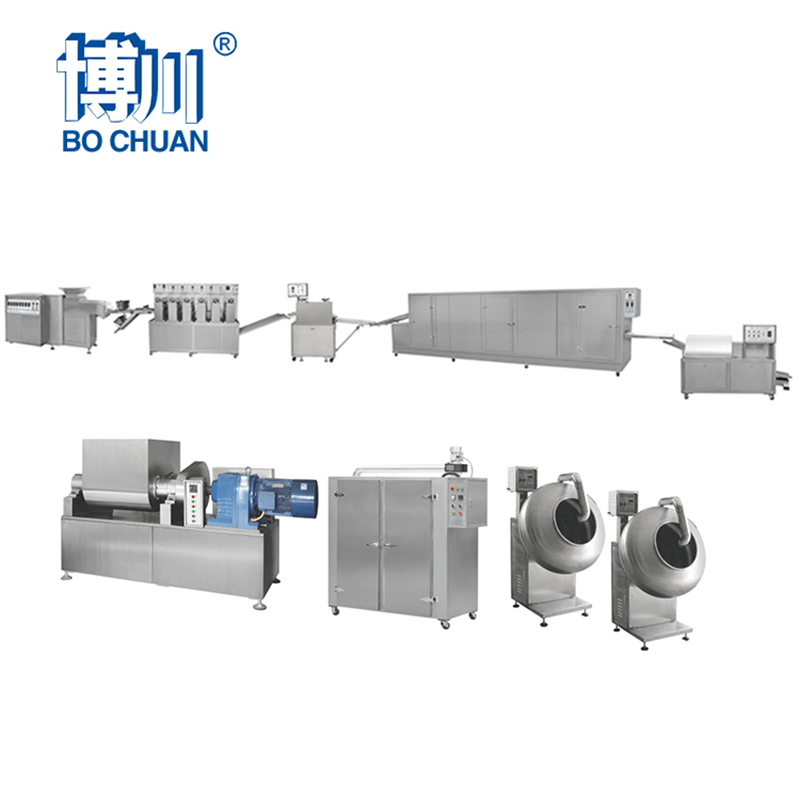
Chewing Gum and Toffee Chewing Prodution Line
View Details →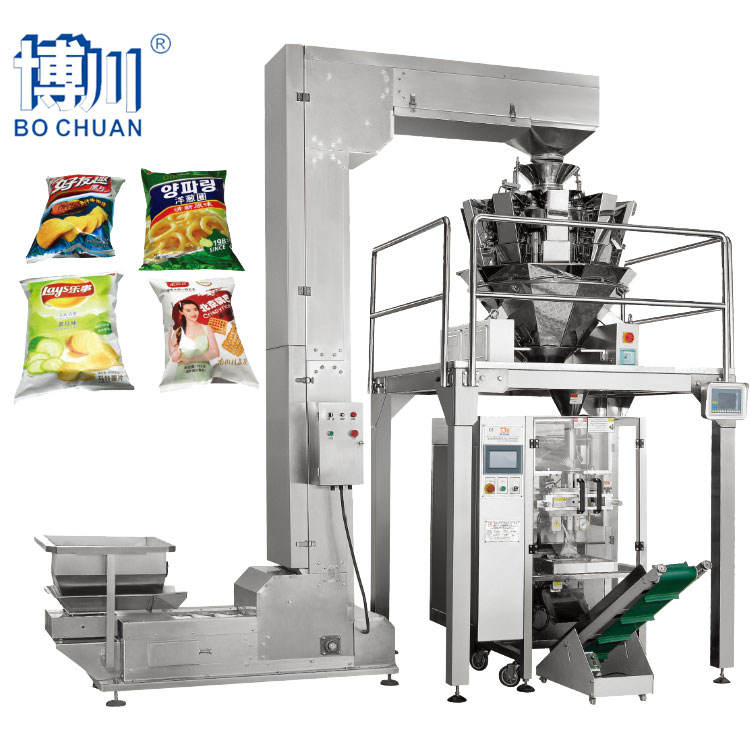
Premade Bag Packing Machine for Granule with Weighting
View Details →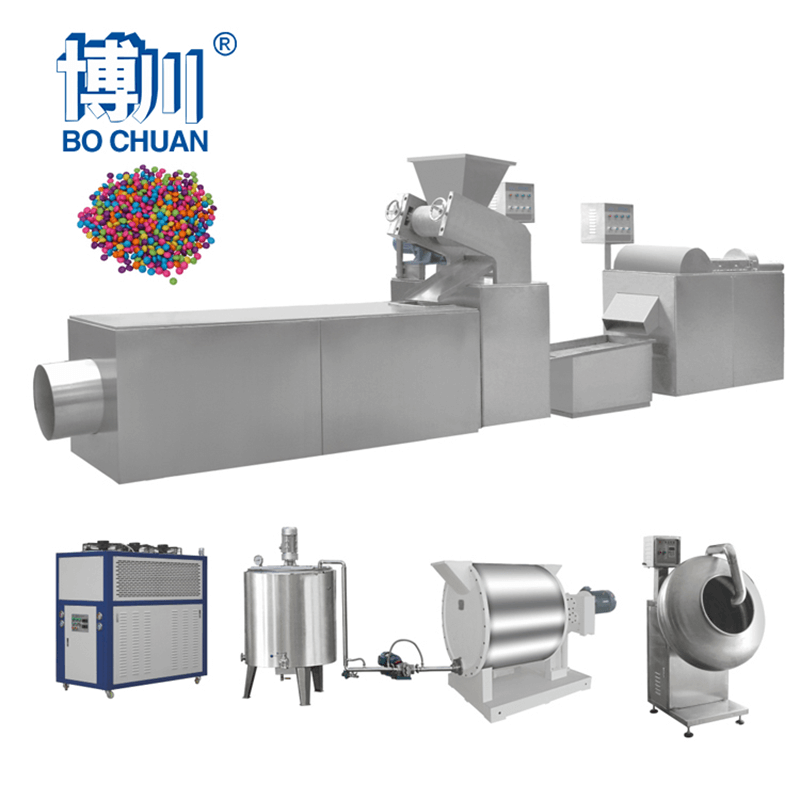
Manufacture factory Chocolate Bean forming making machine equipment Production Line
View Details →