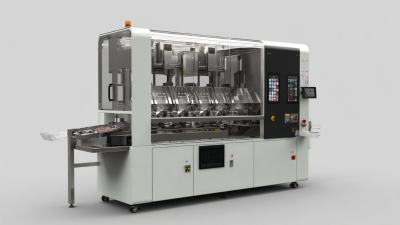
Picking the right granular packaging machine is pretty crucial if you're dealing with granular products in your business. The right piece of equipment can really help streamline your operations, cut down on waste, and boost overall efficiency. But honestly, figuring out which one to choose can sometimes feel a bit overwhelming. A lot of companies tend to overlook some important factors, and that can lead to making a less-than-ideal choice.
When you're evaluating different machines, it's super important to think about what your specific products need. Different materials—like seeds, powders, or tiny pellets—each have their own packaging quirks. Getting to know your product's characteristics inside out will help you pick a machine that fits perfectly, without having to settle for compromises.
It’s also worth taking a good look at the brands behind these machines. Brands with solid reputations for reliability and innovation, like Automated Packaging Systems or Schubert Group, are usually safe bets. Their expertise can really help you make smarter, more informed decisions. Keep in mind, investing in a granular packaging machine isn't just about the price tag—it's about the long-term value you’re going to get out of it. Plus, it’s a good idea to reflect on past purchases and learn from those experiences. Taking a thoughtful approach now can set you up for a successful and more efficient future.
Granular packaging machines play a crucial role in various industries. They handle products like grains, powders, and granules, ensuring efficient packaging. According to industry reports, the global granular packaging market is projected to grow at a CAGR of 4.9% through 2026. This growth highlights the importance of selecting the right machine for specific needs.
When evaluating granular packaging machines, consider factors such as speed, accuracy, and versatility. Machines should adapt to different packaging sizes and materials. A report by the Packaging Machinery Manufacturers Institute states that over 70% of users prioritize speed and precision. Selecting a machine with adjustable features can enhance productivity and reduce waste.
Tips: Always assess your production volume. A machine that is too small may not meet your demands. Look for user-friendly interfaces to ease operation. Investing in an efficient machine may lead to cost savings in the long run. Regular maintenance is essential for reliability, ensuring the machine operates at peak performance.
When selecting the right granular packaging machine, various critical features demand attention. One of the most vital aspects is speed and efficiency. According to industry reports, machines that operate at an average speed of 30-60 bags per minute see higher productivity rates. Businesses often struggle to meet demand if machines fall below this threshold. Therefore, evaluating the packaging speed against your production needs is essential.
Another key feature to consider is the machine's versatility. Many industries require packaging for various granular products, from food to chemicals. A versatile machine can handle different materials and bag sizes, reducing the need for extra equipment. Data shows that companies that invest in multi-purpose machines often report a 20% increase in operational flexibility, allowing them to adapt to market changes swiftly.
Durability remains a crucial, yet sometimes overlooked, factor. Packaging machines are substantial investments, and their longevity directly impacts operational costs. The industry average lifespan for a quality machine is around 10-15 years. However, regular maintenance must be factored into the total cost of ownership. Regular assessments can prevent unexpected failures, prolonging the machine's lifecycle and supporting consistent production capabilities.
| Feature | Description | Importance Level |
|---|---|---|
| Speed | Measurements of how many units can be packaged per hour. | High |
| Accuracy | How precise the machine is in filling packages to the desired weight. | Critical |
| Material Compatibility | Types of granular materials that can be processed by the machine. | Medium |
| User-Friendly Controls | Ease of operation for both skilled and unskilled workers. | High |
| Maintenance Requirements | Frequency and ease of maintenance needed to keep the machine running. | Medium |
| Flexibility | Ability to switch between different packaging sizes and styles. | Medium |
| Cost Efficiency | Overall productivity vs. costs associated with operation. | High |
When selecting a granular packaging machine, it’s essential to understand the types available on the market. Granular packaging machines vary significantly in design and function. Some are specifically engineered for dry powders, while others are tailored for larger granules like seeds or granulated sugar. Understanding these distinctions can help in making a well-informed decision.
One common type of granular packaging machine is the vertical form-fill-seal (VFFS) machine. This machinery efficiently fills and seals bags from a roll of film. VFFS machines are known for their speed and precision. However, they may not handle all granule types effectively. On the other hand, horizontal form-fill-seal (HFFS) machines are better suited for bulkier materials. They may offer a slower throughput but excel in versatility. Evaluating the material you plan to package is crucial for ensuring the right choice.
Another machine worth considering is the auger filler. This equipment excels in measuring and dispensing granular products with high accuracy. Auger fillers are particularly beneficial for smaller bags or containers. However, setting them up requires some trial and error to achieve optimal performance. Lastly, consider the overall ease of maintenance and the machine's footprint in your operational space. Balancing these factors can lead you to a suitable packaging solution.
When choosing a granular packaging machine, evaluating the production capacity is critical. A recent industry report states that the optimal production capacity can vary significantly based on product type and market demand. Machines can operate between 20 to over 100 bags per minute. Understanding your production needs is key.
One important tip is to assess the scalability of the machine. Can it handle future increases in production? Evaluate the machine’s speed capabilities against your current and projected needs. Additionally, consider the operational efficiency of the machine. Machines that consistently meet or exceed 80% efficiency rates tend to yield better long-term investments.
It’s also vital to reflect on the total cost of ownership. Sometimes, the cheapest machine may not be the most efficient one. High-quality machines often lead to fewer breakdowns and lower maintenance expenses. Organizations should prioritize machines that balance cost with reliability and performance. This careful consideration can prevent future complications and help maintain a steady production flow.
When selecting a granular packaging machine, understanding automation levels is crucial. Automation can greatly influence efficiency and output quality. Machines vary in how much they can operate independently. Fully automated machines offer faster processing times, but may lack the flexibility required for different products. Semi-automated options provide a balance, allowing manual intervention when necessary.
Tips: Assess your production volume. High-volume manufacturers often benefit from full automation. Smaller operations might consider semi-automated systems. Also, look at user interfaces. A complex interface can slow down operations.
Moreover, training staff on the machinery is essential. Automated systems can require specialized knowledge. Staff may need training to tackle unexpected issues. A well-informed team can enhance reliability, which is vital for any production line.
Some machines may not be as robust as advertised. It is crucial to research and gather reviews. Explore user experiences to ensure the equipment meets your needs. Identifying potential drawbacks early can save future costs and downtime.
When selecting a granular packaging machine, maintenance and support play crucial roles in ensuring longevity and efficiency. Regular maintenance checks can prevent breakdowns. A machine that is well-maintained operates smoothly and maximizes productivity.
Tips for maintenance include scheduling routine inspections. These should focus on wear-and-tear parts, such as belts and seals. Short, consistent checks can make a vast difference. Keeping the machine clean is also vital. Residue can cause malfunctions or inefficiencies. Don’t overlook the importance of operator training. Well-trained staff can identify issues early.
Reliable support from manufacturers or suppliers is essential. Ensure they provide timely assistance. Consider asking for warranties that cover parts and services post-purchase. This way, you hedge against unexpected costs. It's important to reflect on the need for a service plan. Without it, you might encounter challenges that result in costly downtimes. Think about the long-term implications of your choices now.
When budgeting for a granular packaging machine, evaluating costs is crucial. Determine your budget upfront. Factor in both initial purchase price and operating costs. Consider maintenance, labor, and energy consumption. These elements significantly impact total expenses.
Tip: Always seek multiple quotes. Compare costs, but don’t just focus on price. Evaluate the capabilities and support each machine offers. A lower price might not equal the best value.
Additionally, look into the long-term costs of ownership. Machines may require replacement parts or upgrades over time. Ask about warranties and after-sales support. This can save you money in the long run.
Tip: Prepare for hidden costs, like installation or training. These can quickly add up. Understanding the complete financial picture helps inform your decision. Adjust your budget as needed. Reflect on your specific needs and avoid getting sidetracked by flashy features.
The 2023 Global Pillow Packaging Machine Market Report highlights a significant transformation in packaging efficiency, driven by technological advancements and increased demand across various industries. One of the standout innovations is the introduction of horizontal packaging equipment, which is paving the way for businesses to enhance their packaging processes. According to the report, the market for pillow packaging machines is projected to grow at a CAGR of 6.5%, evidencing the escalating importance of packaging solutions that promote efficiency and sustainability.
Our state-of-the-art horizontal packaging equipment aligns perfectly with this trend. Designed to streamline the packaging process, this equipment caters to businesses of all sizes, enabling them to package products with remarkable efficiency. The horizontal configuration allows for increased production speeds and flexibility, responding directly to the growing market demands for custom packaging solutions. By using such advanced machinery, companies can significantly reduce material waste, thereby lowering their operational costs while contributing to environmentally friendly practices.
Moreover, the growing emphasis on e-commerce and direct-to-consumer models necessitates the need for packaging solutions that are not only efficient but also visually appealing. The insights from the 2023 report indicate that businesses equipped with modern horizontal packaging machinery are better positioned to adapt to shifting consumer preferences. This equipment not only ensures optimal use of packaging materials but also enhances the overall presentation of products, which is crucial in a competitive marketplace.
: Production capacity is critical. It varies widely based on product type and market demand. Machines can operate 20 to over 100 bags per minute.
Evaluate if the machine can handle future production increases. Check its speed against your current and future needs.
Look for machines that meet or exceed 80% efficiency. These tend to offer better long-term investments.
Not necessarily. Cheaper machines may lead to higher maintenance costs and breakdowns. Quality often translates to reliability.
Automation influences efficiency and output quality. Fully automated machines process faster, but may lack flexibility for varying products.
Regular maintenance checks are vital. Focus on wear-and-tear parts and keep the machine clean to prevent inefficiencies.
Staff may need specialized knowledge for automated systems. Training enhances reliability, crucial for smooth production lines.
Check if manufacturers offer timely assistance and warranties. This protects against unexpected costs and downtimes.
Without a service plan, you risk costly downtimes. Reflect on the need for support to avoid future complications.
Yes, researching user experiences can help identify potential drawbacks. It ensures the equipment meets your specific needs.
When selecting the best Granular Packaging Machine, it's essential to understand its fundamental aspects and features. Key considerations include the machine's design, efficiency, and compatibility with your specific product requirements. Different types of Granular Packaging Machines vary in functionality, so evaluating the production capacity to meet your output needs is crucial.
Additionally, assessing the automation levels of these machines can enhance operational efficiency and reduce labor costs. Regular maintenance and support are vital for ensuring the longevity and reliability of your packaging solution. Finally, performing a thorough cost analysis will help you budget effectively, ensuring you choose a Granular Packaging Machine that meets both your operational and financial needs.