0%

In the world of sweets and treats, the Candy Maker Machine really stands out as an awesome invention. It’s like having a magic box that turns simple ingredients into delicious candies. Whether you’re making candy for fun at home or running a big candy business, this machine makes the whole process a lot easier. Both hobbyists and pros appreciate how efficient and creative it can be.

Honestly, using a Candy Maker Machine might seem pretty straightforward at first, but you do need to pay attention and understand how it works. Every machine is a little different, with its own design and features. Some are great for making hard candies, while others are better suited for softer kinds. The key is to read the instructions carefully because catching small mistakes early on can save you time and materials. Making candy is basically a mix of precision and imagination — kind of like art with a sweet twist.

Plus, the tech behind these machines has come a long way. Many of the newer Candy Maker Machines come with smart technology, which makes them more appealing to a new wave of candy fans. As you start experimenting, you might hit a few snags—mistakes happen! Sometimes, that leads to unexpected flavors or textures, which can actually be part of the fun. Over time, those little mishaps become great learning moments. All in all, having a Candy Maker Machine really opens up a world of creative possibilities in the world of sweets.

What is a Candy Maker Machine and How Does It Work?

What is a Candy Maker Machine?

What is a Candy Maker Machine and How Does It Work?

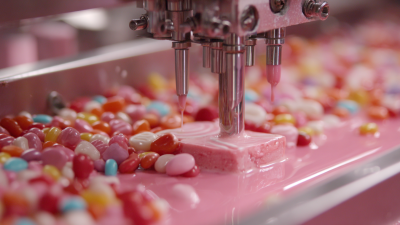
A Candy Maker Machine is a fascinating device designed to create various types of sweets. It combines different ingredients, like sugar and flavorings, to produce delicious treats. These machines can make anything from hard candies to gummies. They often feature several functions, allowing users to customize their creations. Adjusting the temperature or mixing speed can greatly impact the final product's texture and flavor.

Using a Candy Maker Machine can be a fun experience. However, not every attempt yields perfect candies. Sometimes the temperature may be too high, causing crystallization. Other times, the mixture could be too sticky. Observing the process can help refine techniques. Users can learn through their mistakes, allowing for better results with practice.

These machines vary in size and complexity. Some are simple countertop models, while others are more advanced. Each type offers unique features that cater to different skill levels. Understanding how to operate these machines can take time. The learning curve might be steep for beginners. Patience and experimentation are key to mastering candy making at home.

History and Evolution of Candy Maker Machines

The candy maker machine has a rich history that traces back to ancient civilizations. The process of making candy evolved over centuries. Initially, candies were crafted by hand using simple techniques. Sugar was the main ingredient, but it was often combined with nuts and fruits. This offered a unique taste and texture, appealing to various cultures.

In the 19th century, advancements in technology changed everything. The introduction of machinery allowed for mass production. Reports indicate that during this period, the global candy market experienced significant growth. By the early 20th century, candy maker machines became more affordable and accessible. Home candy making gained popularity, yet many home cooks struggled with consistency in quality and flavor.

Today, candy maker machines use precise measurements and heating methods. An efficient machine can produce hundreds of candies per hour. However, with this efficiency comes a loss of artisanal touch. Many enthusiasts argue that the soul of candy making is lost in mechanization. Despite this, the candy industry continues to thrive. Reports show that global candy sales reached over $200 billion in 2020. The blend of tradition and modern techniques continues to shape the world of candy making.

Candy Maker Machine Production Over the Years

Key Components of a Candy Maker Machine

Candy maker machines are fascinating devices that automate the candy-making process. Understanding their key components helps clarify their function and efficiency.

One of the main elements of a candy maker machine is the heating element. It melts sugar and other ingredients to create a syrup. Proper temperature control is crucial here. According to industry reports, maintaining an accurate temperature can improve product consistency by 30%. The mixing chamber is another vital part. It combines melted sugars, flavorings, and colorants uniformly. A well-designed mixing chamber minimizes air pockets, leading to a smoother texture in the finished candy.

Tips: Always monitor the temperature closely. Small deviations can alter the end product significantly. Additionally, consider the importance of the cooling system. This component solidifies the candy into its desired form. Some machines use air cooling, which can be less efficient than water-cooled options. Review production techniques regularly to identify areas for improvement and optimize your operation.

Finally, the dispensing mechanism is essential for shaping and portioning the candies. Precision in this area can reduce waste. Minor misalignments in dispensers can lead to inconsistent sizes and shapes. It's beneficial to conduct regular maintenance checks to ensure everything is aligned correctly.

How Candy Maker Machines Function: Step-by-Step Process

Candy maker machines automate the creation of a variety of sweet treats. These machines, commonly used in commercial settings, follow a systematic step-by-step process to produce candy efficiently.

The process begins with selecting precise ingredients. Typically, sugar, corn syrup, and flavorings are used in desired ratios. Industry reports indicate that the global confectionery market sees a growth rate of 4.5% annually, reflecting rising demand for diverse candy options. Once the ingredients are measured, they are mixed and heated. The mixture reaches high temperatures, often exceeding 300°F, transforming into a syrup. This stage is crucial; temperature inconsistencies can lead to poor texture.

After reaching the desired consistency, the syrup is cooled and shaped. Molds may be used, or it could be poured into sheets for cutting. Quality control is vital here; even slight variations can affect the final product.

**Tip:** Regularly check ingredient measurements for consistency. This could save time and money in the long run.

Finally, the candies are packaged. Automation in this process increases production speed but may overlook the nuances of hand-crafted quality, which consumers often desire.

**Tip:** Continue exploring consumer trends for flavors and textures. Understanding preferences can guide product development. Evaluating market data in real-time improves responsiveness.

Types of Candy Maker Machines and Their Uses

Candy maker machines come in various types, each serving distinct purposes. For artisan candy makers, batch cookers allow for controlled heating of sugar mixtures. This precision helps achieve the perfect texture and flavor. According to industry reports, batch cookers can increase productivity by up to 30%, making them essential for small businesses. Their ability to create diverse candy types, from hard candies to gummies, makes them versatile tools in any production environment.

Another popular type is the continuous sugar cooker. Unlike batch cookers, they streamline the candy-making process. By continuously feeding sugar and ingredients into the system, these machines improve efficiency significantly. Research shows that continuous cooking can reduce operational costs by up to 25% over time. This is why larger manufacturers often prefer them. Their capacity for high volume production caters to growing market demands.

Finally, confectionery coating machines are crucial for those producing chocolate-covered treats. These machines ensure even coating, enhancing the candy's appeal. However, maintaining these machines can be challenging. Regular calibrations are essential to avoid uneven coatings or melting issues that could lead to product spoilage. As the candy market evolves, the need for reliable machines with high-quality output remains critical for manufacturers aiming to compete effectively.

Benefits of Using a Candy Maker Machine

A candy maker machine offers a delightful way to create candies at home. One significant benefit is the ability to customize flavors and ingredients. You can try fruity, minty, or even spicy options. This personal touch makes candies unique and tailored to your tastes. With the right recipes, this machine can turn sugar, water, and flavorings into delicious treats.

Another advantage is the convenience it provides. A candy maker machine simplifies the candy-making process. You don’t need extensive knowledge to start. Just follow the instructions, and you'll soon have homemade candies. However, mastering the right technique takes time and practice. Some attempts may result in sticky or overly hard candies.

Moreover, using a candy maker machine can be a fun bonding activity for families. Children can participate in the process, learning about cooking and experimenting with flavors. This engagement brings creativity to the kitchen. Yet, it can also be messy, with sugar spills and sticky hands. Embracing the imperfections is part of the fun.

Tips for Maintaining Your Candy Maker Machine

Maintaining your candy maker machine is essential for consistent performance. Regular cleaning prevents sugar buildup. Residue can affect flavor and operation. Always wipe down the machine after each use. This simple step will extend its lifespan.

Check the machine's components regularly. Look for signs of wear or damage. Components may need lubrication to function smoothly. If you notice any unusual noises, inspect the machine closely. Pay attention to any sticking mechanisms. This is a sign that maintenance is overdue.

Store your candy maker in a dry place. Moisture can lead to rust and internal damage. Use a breathable cover to protect it from dust. Periodically review the user manual for tips on specific issues. A little proactive care ensures delicious results every time.

Creating Sweet Delights: An In-Depth Guide to Lollipop and Hard Candy Making Machines

In the world of confectionery, lollipops and hard candies hold a special place, cherished by both children and adults alike. The candy-making industry has seen significant growth in recent years, with a projected market value of approximately $42 billion by 2025, according to a report by Market Research Future. This increasing demand has sparked innovation in candy production technology, making it essential for manufacturers to invest in efficient machinery that not only boosts output but also ensures superior quality.

Our newest candy making machine is at the forefront of this evolution, crafted specifically to cater to the soaring production demands of lollipops and hard candies. With advanced features designed for maximum efficiency, these machines streamline the entire manufacturing process, from mixing ingredients to molding and packaging the final product. Industry data indicates that businesses equipped with modern candy making machinery can increase production capacity by up to 30%, allowing them to stay competitive in a rapidly growing market.

Additionally, as consumer preferences shift towards unique flavors and textures, manufacturers must adapt quickly. The versatility of our candy making machines allows for easy adjustments, enabling producers to create a diverse range of flavors and shapes, which is evident in the rising trend of artisanal and gourmet candies. Given the sweet tooth of the contemporary consumer, these machines not only meet production needs but also open doors for creativity in candy design and flavor innovation.

FAQS

: What is the history of candy maker machines?

: Candy maker machines have evolved from handcrafts in ancient civilizations to mass production in the 19th century.

How do modern candy making machines work?

These machines use precise temperature control and efficient mixing to produce candies quickly.

What are key components of a candy maker machine?

Key components include a heating element, mixing chamber, cooling system, and dispensing mechanism.

How do I ensure consistency in candy making?

Monitor temperature closely and maintain proper alignment in the dispensing mechanism for better results.

Can I customize my candy flavors?

Yes, a candy maker allows you to create unique flavors and tailor recipes to your taste.

Is using a candy maker machine easy?

Yes, it's convenient. However, mastering techniques may take practice, and initial attempts might not be perfect.

Are candy making machines suitable for families?

Absolutely! They can be a fun family activity, but it might get messy with sugar and spills.

What challenges might I face using a candy maker machine?

You might encounter issues with texture or consistency, which requires practice and adjustments.

How can I improve my candy making process?

Regularly review your techniques and equipment to identify areas for improvement and enhance quality.

What do enthusiasts say about mechanized candy making?

Some argue it loses the artisanal touch, emphasizing the importance of traditional methods in candy making.

Conclusion

A Candy Maker Machine is a specialized device designed to create various types of candies through a systematic process. Its history showcases an evolution from traditional methods to modern technology, improving efficiency and ease of use. The machine comprises key components such as heating elements, mixers, and molds, which work together in a step-by-step process to produce delightful confections.

Different types of Candy Maker Machines cater to various candy-making needs, whether for small-scale home use or larger commercial production. The benefits of using such machines include consistent quality, time savings, and the ability to experiment with different flavors and textures. Proper maintenance tips are essential to ensure longevity and optimal performance of the Candy Maker Machine, allowing enthusiasts and professionals alike to enjoy the sweet rewards of their craft.

Lila

Lila

Lila is a dedicated marketing professional at Guangdong Bochuan Machinery Technology Co., Ltd., an industry leader in the research, development, manufacturing, and marketing of diverse candy and food packing machines. With a profound understanding of the company's innovative products, Lila plays a......
Previous What is a Candy Maker Machine and How Does It Work?