The Strategic Convergence of Gummy and Chewing Gum Production
The global confectionery industry is witnessing an unprecedented transformation. Consumer preferences are shifting rapidly from traditional sugar-laden treats to functional, health-conscious alternatives. Among these, sugar-free chewing gum and nutraceutical gummies lead the charge. To capitalize on this crossover, modern manufacturing facilities are increasingly adopting hybrid configurations. Integrating small scale gummy making equipment within existing sugar-free chewing gum facilities is no longer just an experimental choice—it is a highly strategic business expansion.
Sugar-free chewing gum facilities already possess cleanroom infrastructure, temperature-controlled environments, and advanced packaging systems. By adding compact, highly precise gummy depositing lines, these facilities can diversify their product portfolios without the massive capital expenditure of building a completely new facility. This integration allows for shared utilities, reduced labor costs, and a highly agile response to market demands for sugar-free gelatin or pectin-based functional gummies.
Navigating the Chemistry of Sugar-Free Gummy Manufacturing
Manufacturing sugar-free products presents unique physical and chemical challenges. Traditional gummy making relies on sucrose and glucose syrups to establish viscosity, body, and moisture retention. In sugar-free alternatives, these are replaced by sugar alcohols (polyols) such as Maltitol, Xylitol, Erythritol, and Sorbitol, or soluble fibers like inulin. These ingredients exhibit vastly different thermal behaviors, crystallization kinetics, and viscosities compared to standard sugars.
Precise Thermal Regulation
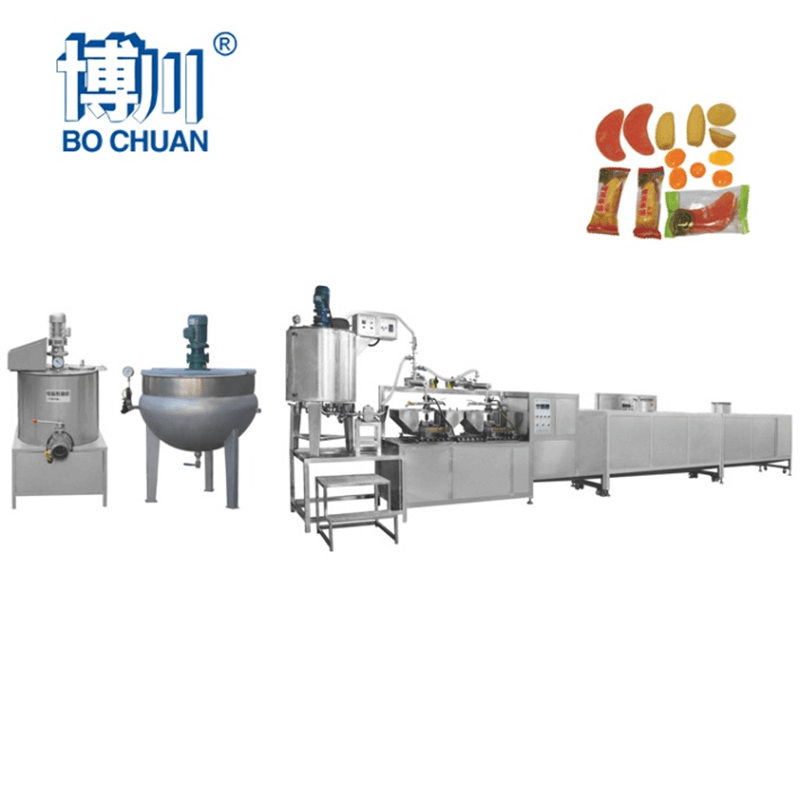
Polyol formulations are highly sensitive to temperature fluctuations. Small-scale gummy equipment designed for sugar-free applications features double-jacketed heating hoppers and precise PLC-controlled cooling tunnels. This prevents premature crystallization of the sugar substitutes, ensuring smooth depositing and clean release from the molds.
Active Ingredient Integration
Since sugar-free gummies frequently double as health supplements (vitamins, sleep aids, wellness actives), the equipment must handle sensitive active ingredients. Precise servo-driven depositing pumps ensure that each individual gummy receives the exact target dose, mitigating the risk of ingredient degradation caused by prolonged heat exposure.
Hygienic and Modular Design
Cross-contamination is a critical concern when producing both chewing gum and dietary gummies in the same facility. Modern small-scale machinery utilizes clean-in-place (CIP) structures and quick-release components, allowing operators to switch between different recipes and clean the line in a fraction of the time.
Guangdong Bochuan Machinery: Engineering Excellence
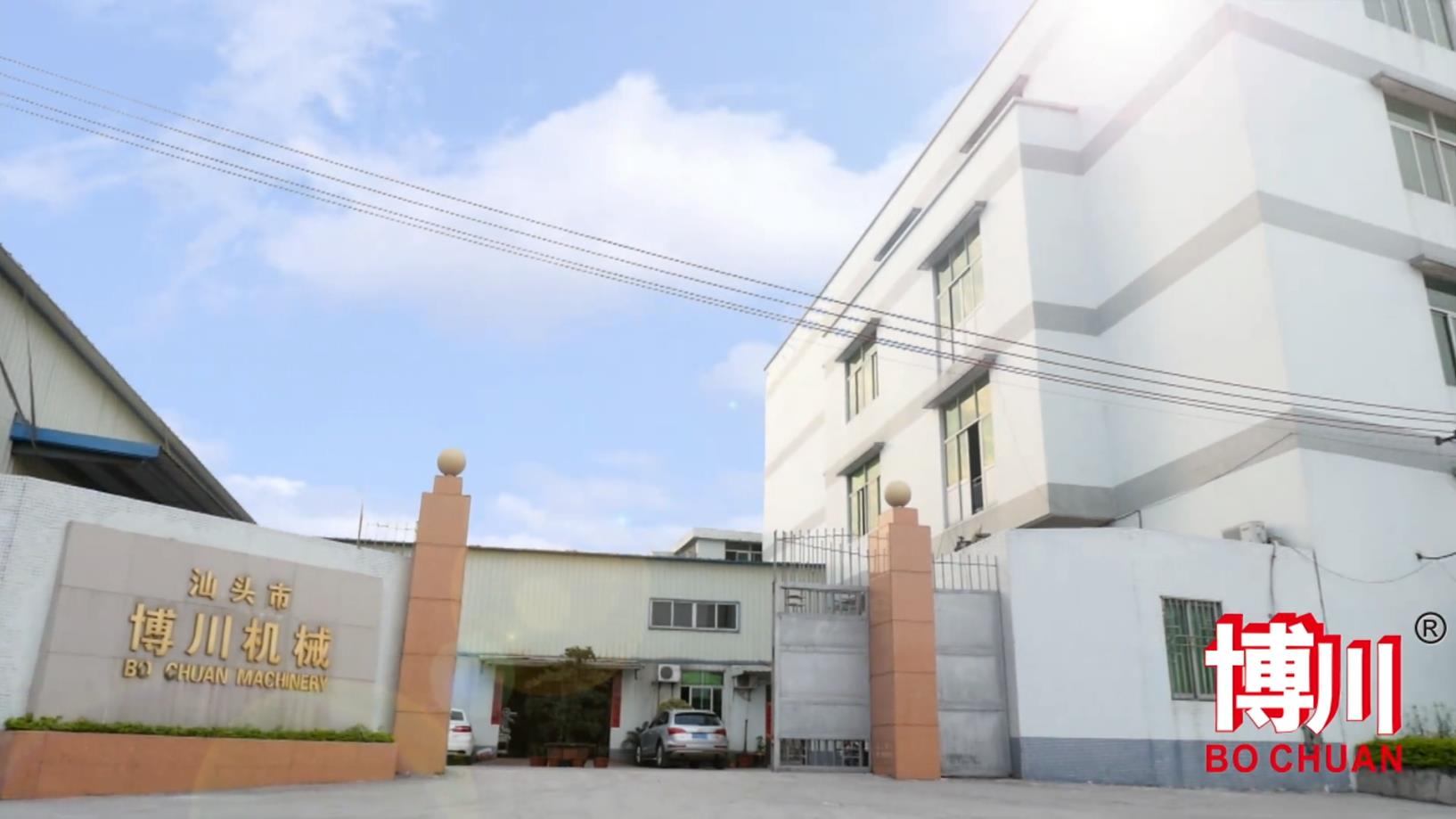
Guangdong Bochuan Machinery Technology Co., Ltd. specializes in researching, developing, manufacturing, and marketing of various candy machines and food packing machines. Since the establishment of the company, based on the market and customer requirements, we keep developing technology, researching, and upgrading. We have developed and manufactured a series of high-quality candy machinery and food packing machinery; our products have a top evaluation at home and abroad.
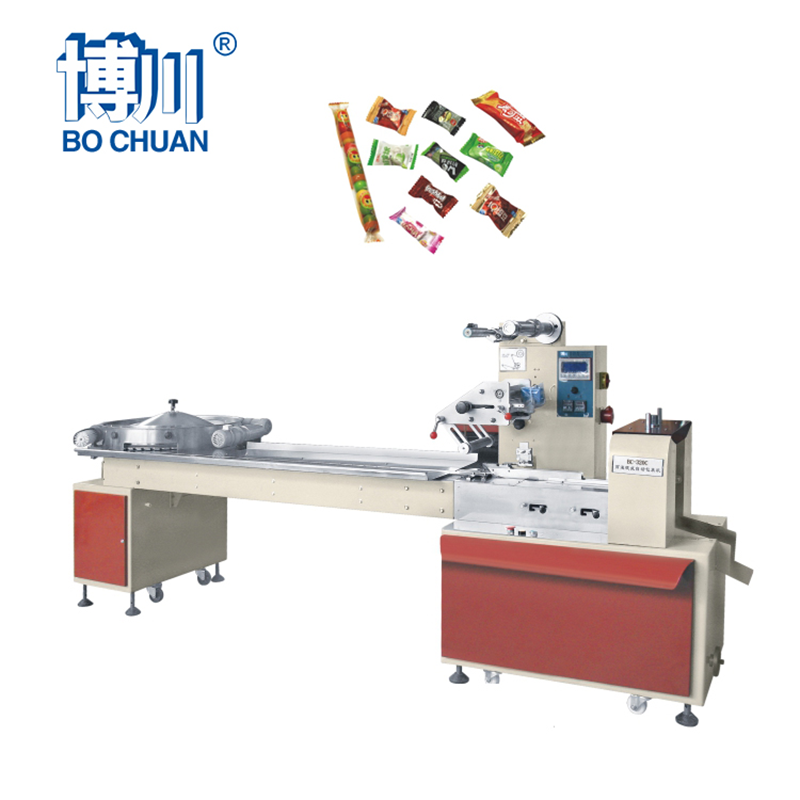
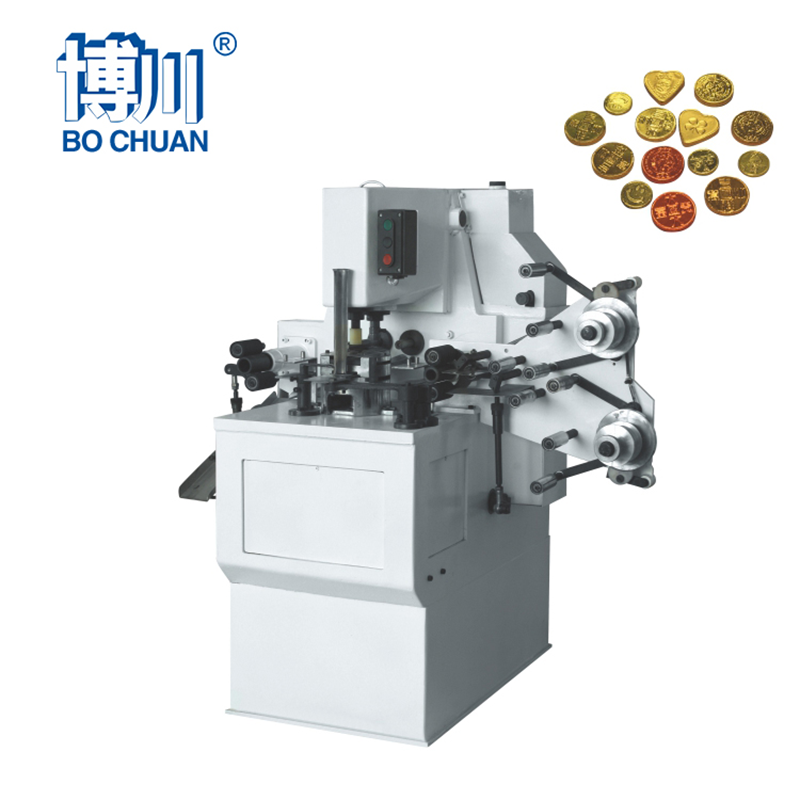
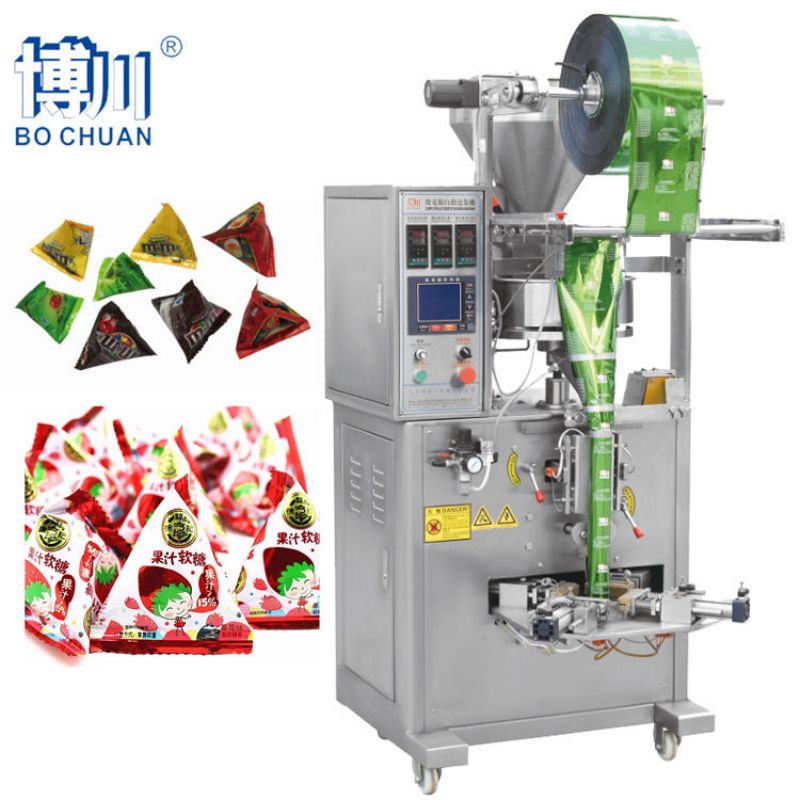
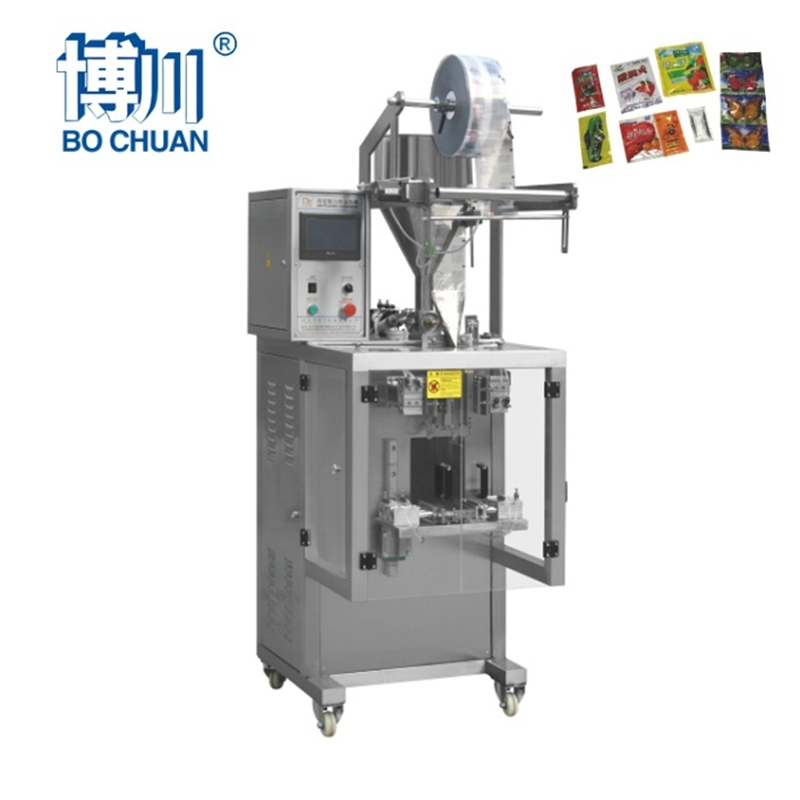
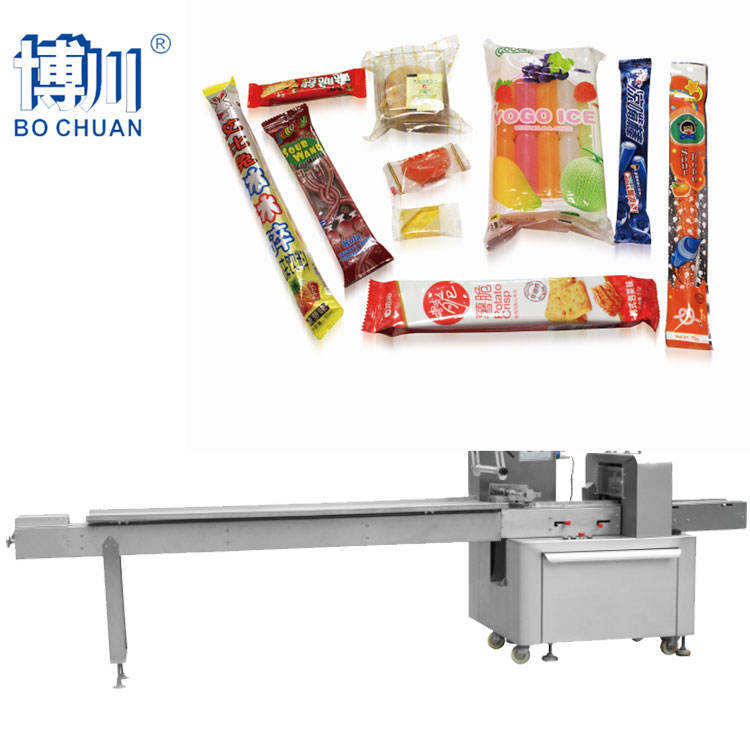
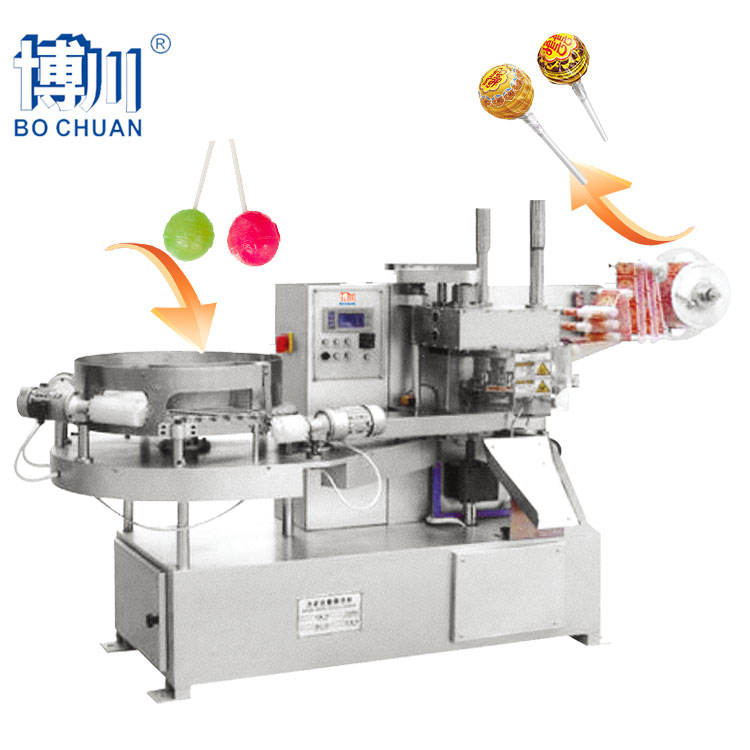
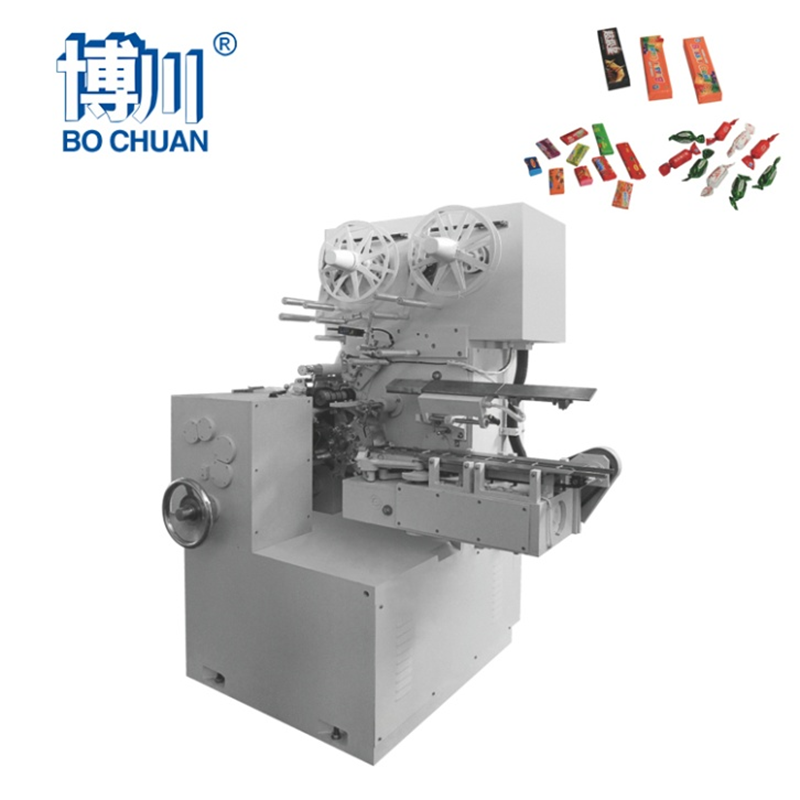
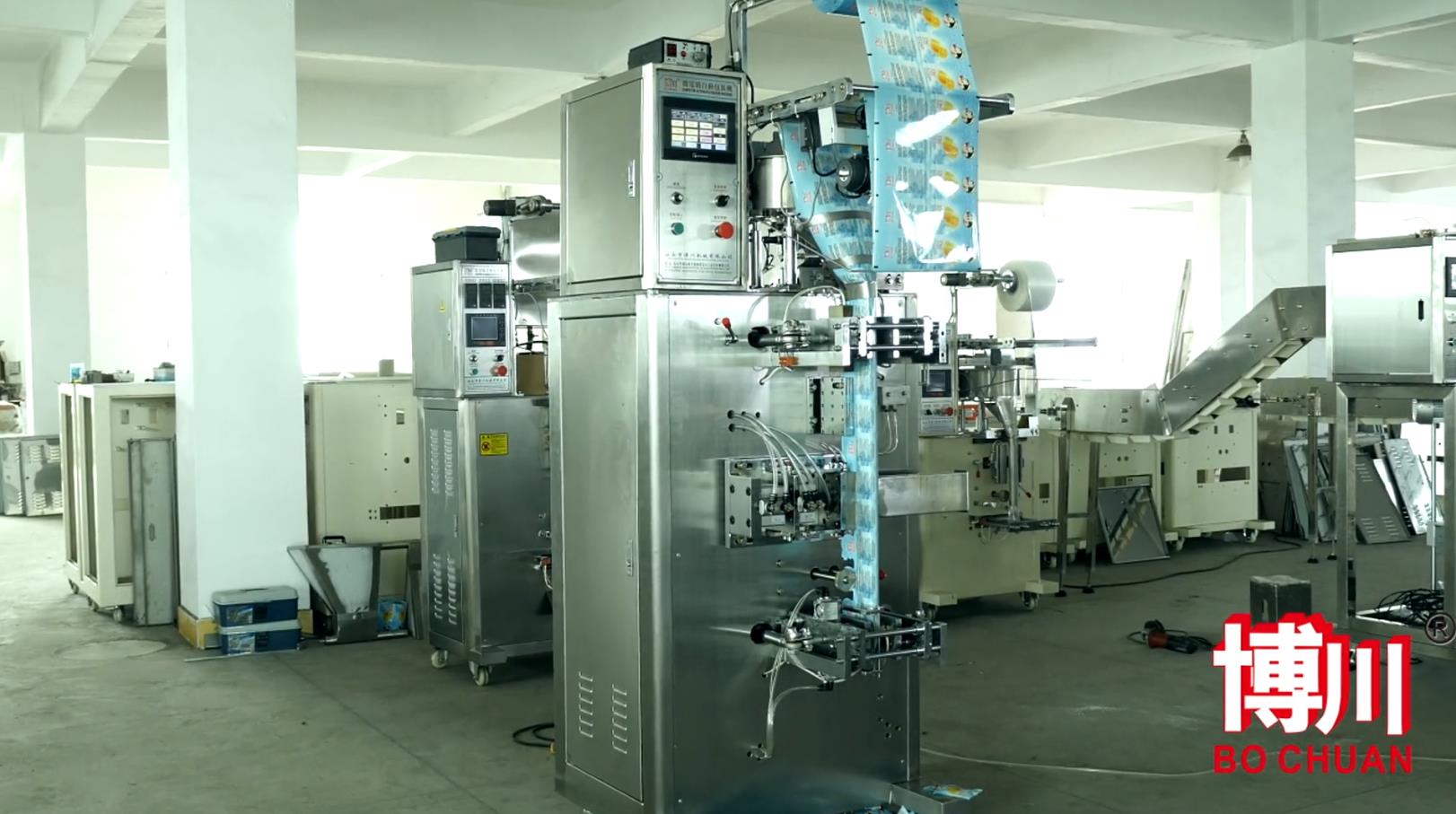
Our Candy Food Machinery portfolio includes state-of-the-art production lines for Bubble Gum, Chewing Gum, Chocolate, Soft Candy, Hard Candy, and Tablet Candy. On the packaging side, we offer high-speed Vertical Packaging Machines, Pillow Packaging Machines, Flat Blister Packaging Machines, Lapel Weighing Packaging Machines, and Bag Weighing Packaging Machines. Due to the space limitations of customer production workshops, we specialize in customizing machines according to the actual situation of each customer, ensuring they can produce high-quality products within their existing space.
We insist on creating simple and easy-to-operate machinery, ensuring customers can operate the systems effortlessly without worrying about production delays. Before any machine is shipped, our technicians repeatedly debug the machinery, adjusting it to the absolute best state so that it can enter the working state immediately upon arrival at the customer's facility.
Deep-Dive Application Scenarios
How chewing gum manufacturing facilities utilize small-scale gummy depositing systems to unlock new revenue streams and optimize production efficiency.
1. Pilot-Scale Testing & R&D
Before launching a full-scale mass production line, manufacturers must test the stability of sugar-free formulations. Small-scale gummy equipment allows R&D teams to run small batches (e.g., 20kg to 100kg per hour) to analyze the texture, shelf-life, and flavor profiles of new xylitol or erythritol-based gummies. This drastically reduces ingredient waste and speeds up time-to-market.
2. High-Value Active Infusion
Gummies containing premium active ingredients—such as melatonin, probiotics, or herbal extracts—require extremely precise dosing. A large-scale production run risks massive financial losses if a batch fails quality control. Small-scale lines provide the tight process controls necessary to guarantee dosage uniformity, satisfying strict pharmaceutical and nutraceutical standards.
3. Shared Packaging Integration
One of the greatest cost-saving strategies is integrating the output of the small-scale gummy line with the facility's existing chewing gum packaging machinery. Whether wrapping individual gummies using pillow packs or utilizing vertical cartoning systems, the shared downstream equipment maximizes the return on investment (ROI) for the entire facility.
Global Trade Relations & Market Evolution
The demand for healthy confectionery is global. Our company has established good trade relations with many countries in the world, including the United States, Russia, India, the United Kingdom, Pakistan, etc., to help customers develop new products, reduce labor, improve automated production, increase production, and bring economic benefits to customers. Under the corporate philosophy of "Credit First, Quality Guaranty", we focus on equipping factories with tools that not only meet today's standards but are also adaptable to future shifts in ingredient technology.
Looking forward, the integration of smart sensors and AI-driven quality inspection on small-scale depositing lines is set to become the industry standard. Real-time feedback loops can adjust depositing speeds and temperatures on the fly based on viscosity changes, ensuring zero-defect manufacturing even when dealing with complex, temperature-sensitive sugar-free formulations.
Our Complete Candy Production & Packaging Portfolio