Featured Artisanal Production Machinery
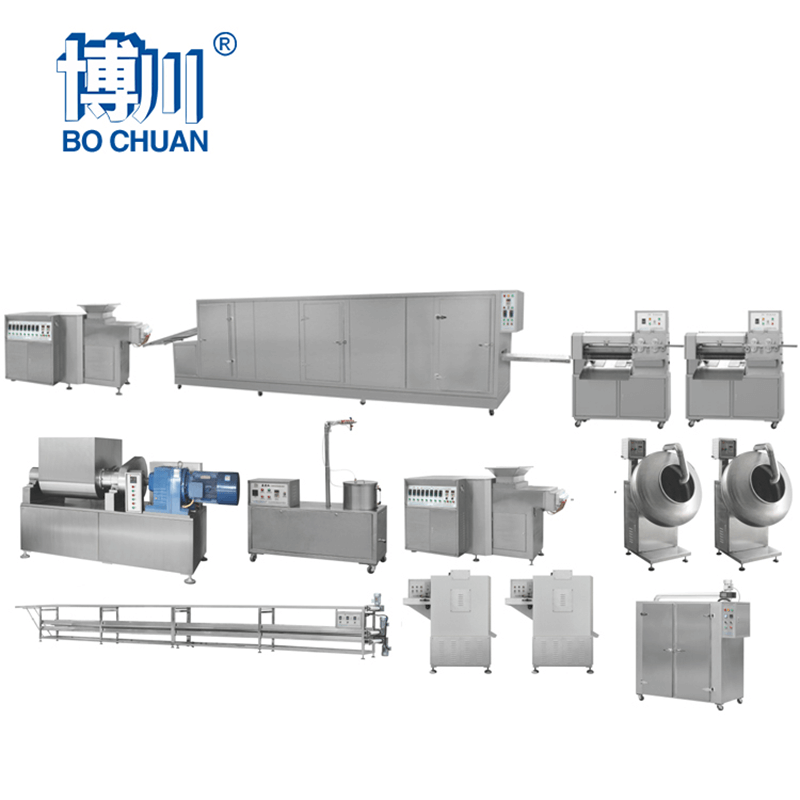
Special Shape Cream Candy and Bubble Gum Production Line
View Details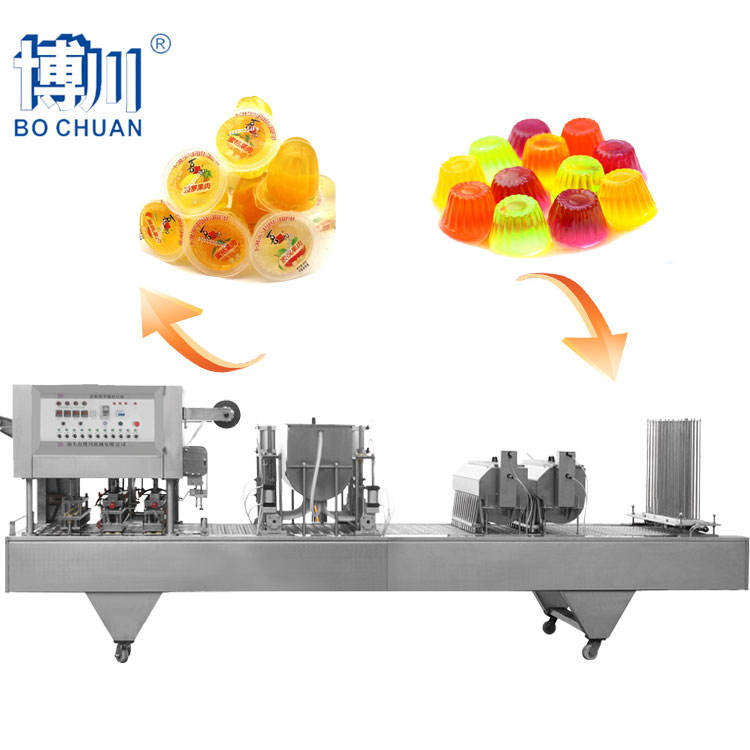
Jelly and Chocolate Automatic Filling and Sealing Machine
View Details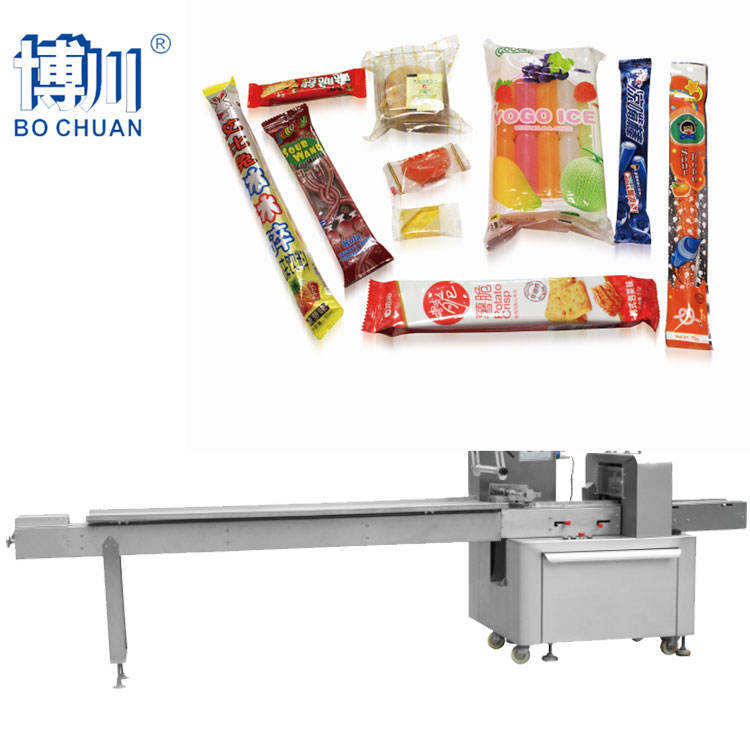
Pillow Packaging Machine
View Details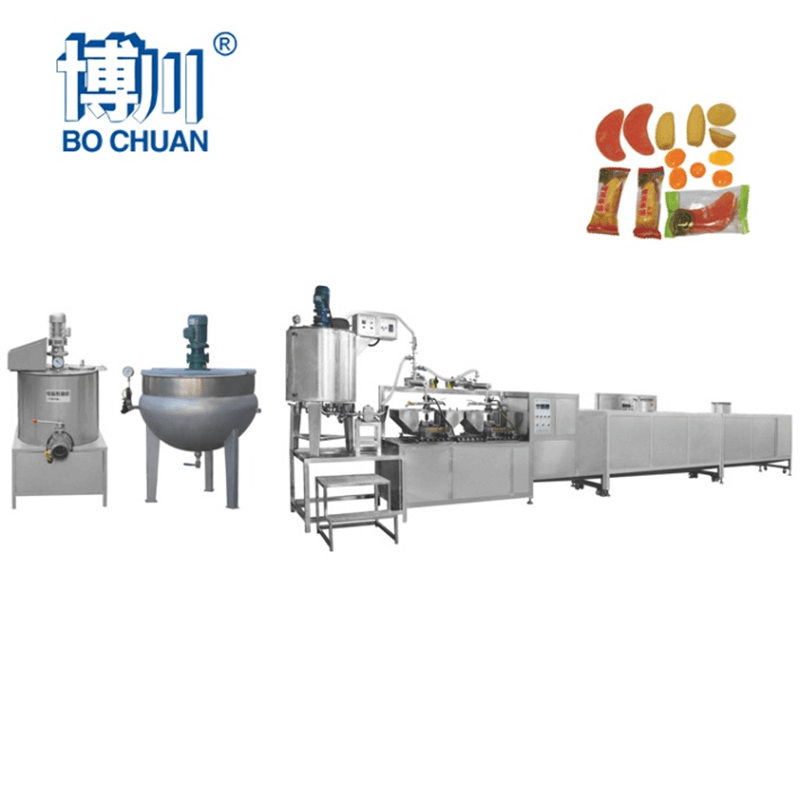
Hard Candy /Soft Candy Vacuum Servo Depositing Production Line
View DetailsThe Commercial Landscape of Artisanal Candy Kitchens
The global confectionery market is witnessing a profound shift. Consumers are increasingly turning away from mass-produced, highly processed sweets in favor of gourmet, clean-label, and functional confections. This movement has fueled the rise of artisanal candy shops and boutique production kitchens. However, transitioning from manual, small-batch cooking to a commercially viable operation presents unique challenges. This is where specialized small scale candy making equipment becomes the cornerstone of success.
Artisanal candy kitchens operate under different constraints compared to industrial giants. Floor space is premium, recipes are highly diverse, and production volumes must remain flexible to adapt to seasonal demands. Investing in massive, rigid manufacturing lines is economically unfeasible and operationally impractical. Modern small-scale machinery bridges this gap by offering the same precision, hygiene, and automation of large-scale systems but within a compact, modular footprint.
Technological Evolution: From Hand-Crafted to Precision-Engineered
Historically, artisanal candy making relied heavily on manual labor—copper kettles, hand-pouring frames, and manual wrapping. While this craftsmanship carries romantic appeal, it struggles with consistency, shelf-life control, and strict food safety compliance. Today's commercial kitchens integrate advanced technologies like PLC touchscreens, servo-driven depositing systems, and vacuum cooking modules.
Servo-driven depositing technology, for instance, allows confectionery chefs to control the exact weight and shape of each candy down to the milligram. This level of precision is critical not only for aesthetic appeal but also for the emerging market of functional candies (such as vitamin-infused gummies, CBD jellies, and nutraceutical tablets) where active ingredient dosing must meet strict regulatory standards.
Key Technologies in Modern Confectionery Production
Servo-Driven Precision
Accurate volumetric depositing ensures exact weight consistency across hard candies, jellies, and chocolates, minimizing ingredient waste.
Vacuum Steam Cooking
Preserves natural flavors and colors by boiling sugar mixtures at lower temperatures, preventing unwanted caramelization.
Modular Customization
Designed specifically for tight production spaces, allowing easy reconfiguration for different product types.
Deep Application Scenarios in Boutique Kitchens
Scenario A: The Functional Gummy & Jelly Revolution
Gummies are no longer just for kids. The health and wellness industry has adopted gummies as a preferred delivery vehicle for vitamins, collagen, sleep aids, and dietary supplements. For an artisanal kitchen entering this high-margin space, consistency is paramount. A Jelly and Chocolate Automatic Filling and Sealing Machine coupled with a vacuum servo depositor allows the kitchen to produce pristine, starchless jellies. Starchless depositing is highly favored in clean-room environments because it eliminates airborne starch dust, ensuring a sterile and hygienic production floor.
Scenario B: High-End Hard Candies & Multi-Layered Confections
Visual appeal drives consumer engagement, especially in the era of social media marketing. Artisanal kitchens leverage Special Shape Cream Candy and Bubble Gum Production Lines to create intricate, multi-colored, and center-filled candies. By utilizing co-depositing technology, two different syrup streams (e.g., a creamy dairy base and a fruit-flavored jelly core) can be deposited simultaneously into a single mold, creating a premium sensory experience that commands high retail prices.
Scenario C: Sustainable and Smart Packaging Solutions
An often-overlooked bottleneck in artisanal production is the packaging phase. Hand-wrapping hundreds of candies daily is labor-intensive and compromises hygiene. Integrating a Pillow Packaging Machine or a Microcomputer Automatic Triangle Packing Machine ensures that candies are sealed immediately after cooling. This rapid sealing preserves freshness, protects the product from humidity, and significantly extends the shelf life without the need for artificial preservatives.
About Guangdong Bochuan Machinery
Guangdong Bochuan Machinery Technology Co., Ltd. Specializes in Researching Developing Manufacturing and Marketing O Fvarious Candy Machine and Food Packing Machine. Since the Estadlishment of the Company, Based on the Market and Customer Requirements , We Keep Developing Technology Researching and Upgrading .we Have Developed and Manufactured Serise of High Quality Candy Machinery and Food Packing Machinery,our Products Have a Top Evaluation at Home Abroad.
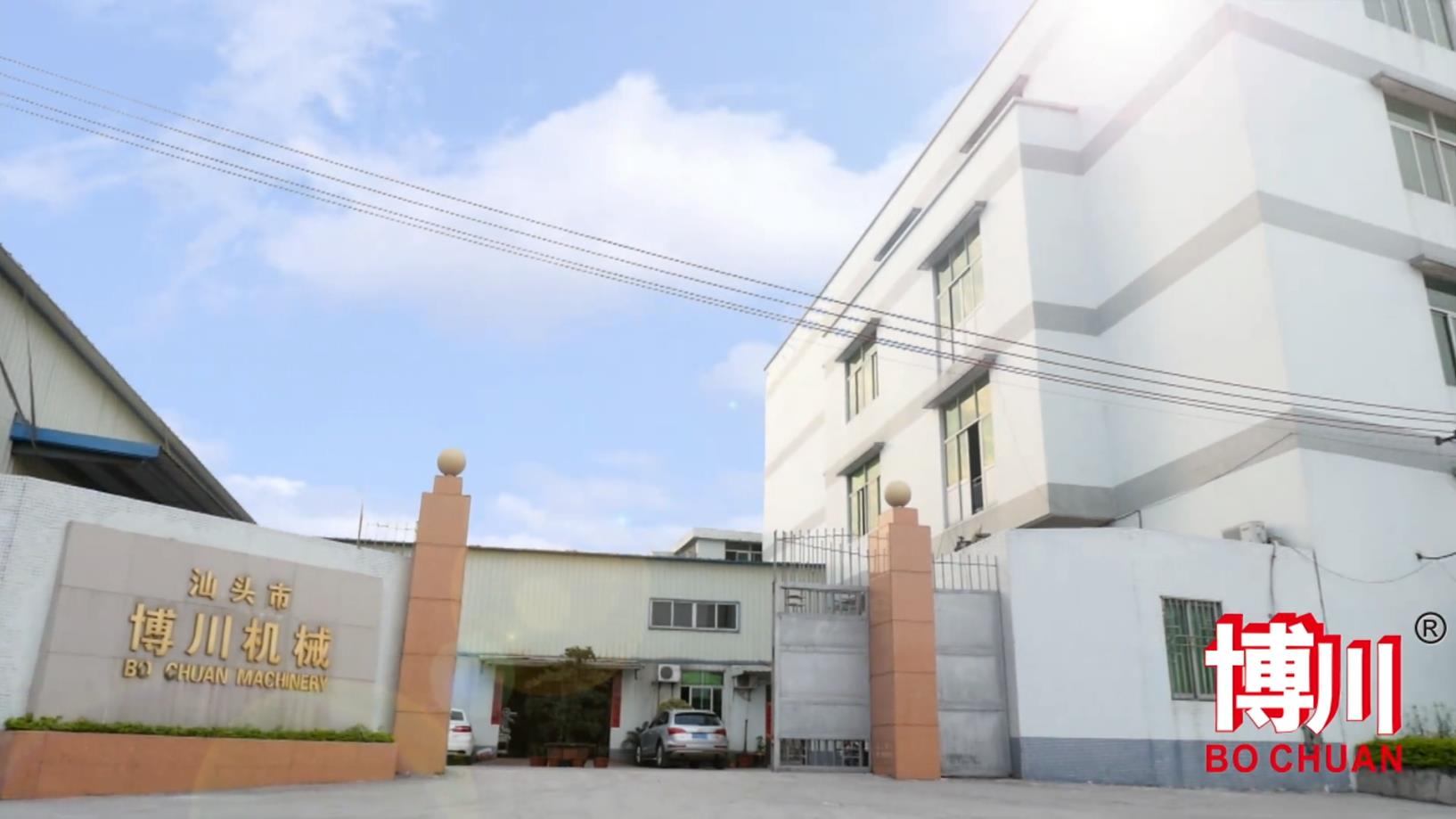
Credit First, Quality Guaranty
Your Trusted Partner in Automated Confectionery Engineering
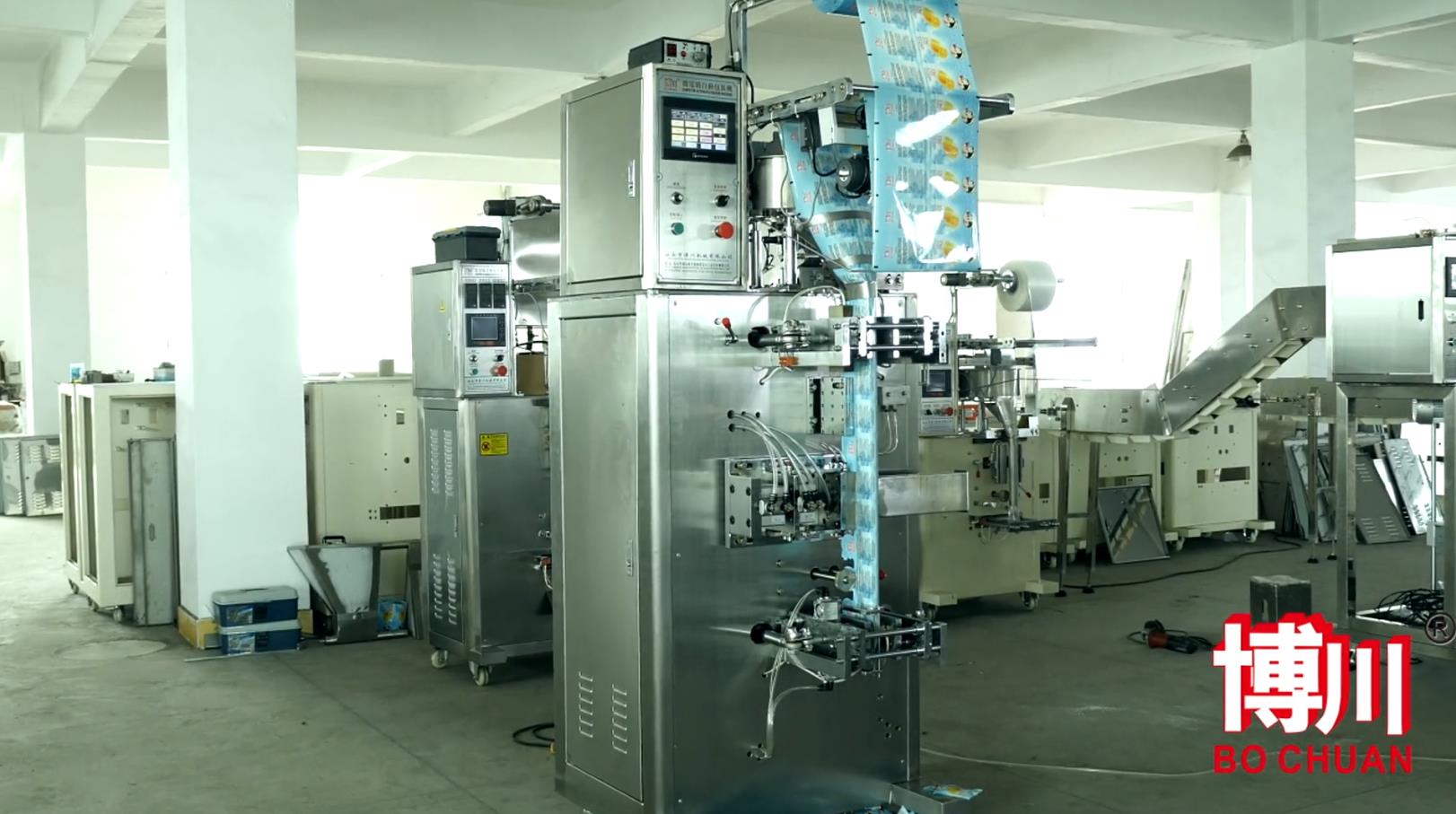
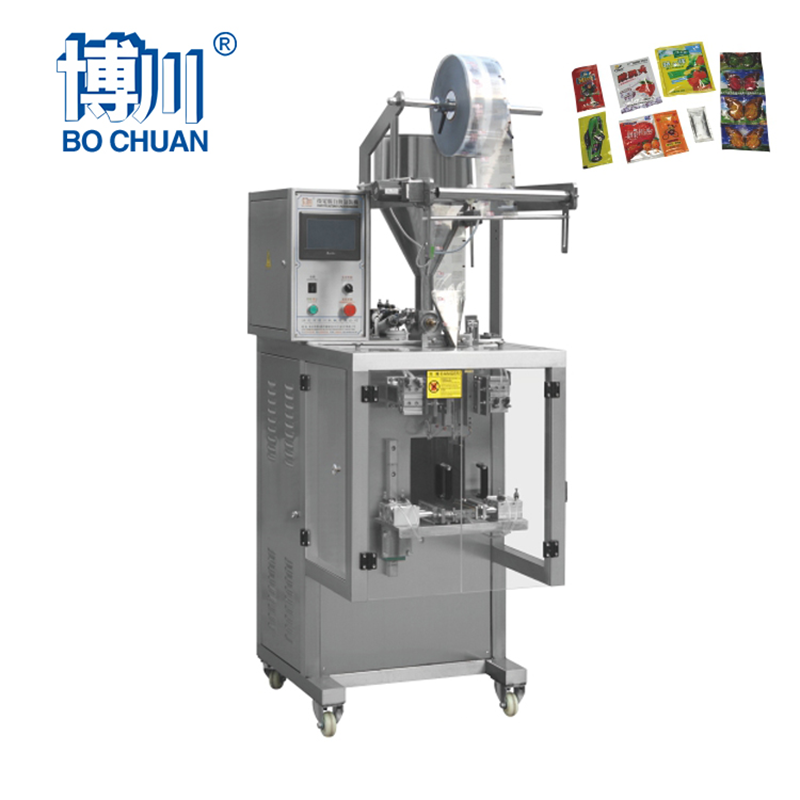
Candy Food Machinery: Production Lines of Bubble Gum, Chewing Gum, Chocolate, Soft Candy, Hard Candy and Tablet Candy; Packaging Machinery: Vertical Packaging Machine, Pillow Packaging Machine, Flat Blister Packaging Machine, Lapel Weighing Packaging Machine, Bag Weighing Packaging Machine. Due to the Limitation of the Production Workshop of the Customer Company, We Can Customize the Machine According to the Actual Situation of Each Customer, So That Customers Can Use the Machine to Produce Products within the Existing Space. of Course, for the Operation of the Machine, We Also Insist on Making Simple and Easy to Operate Machines, So That Customers Can Operate Easily Without Worrying About the Machine Delaying Production. Before the Machine is Shipped, Our Technicians Will Repeatedly Debug the Machine, Adjust the Machine to the Best State, and the Machine Can Enter the Working State Immediately After It Arrives at the Customer's Company With.
Our Company Has Established Good Trade Relations with Many Countries in the World, Including the United States, Russia, India, the United Kingdom, Pakistan, Etc., to Help Customers Develop New Products, Reduce Labor, Improve Automated Production, Increase Production, and Bring Economic Benefits to Customers.
Future Trends in Boutique Confectionery Manufacturing
Looking ahead, the integration of smart manufacturing and IoT (Internet of Things) into small-scale equipment is set to accelerate. Future production kitchens will rely on remote diagnostics and cloud-based recipe management. This allows candy makers to adjust cooking parameters, cooling times, and depositing cycles from a tablet or smartphone.
Furthermore, environmental sustainability is becoming a key differentiator. Modern machinery is being designed to consume less energy, utilize biodegradable packaging films, and minimize ingredient waste through advanced recovery systems. By adopting these eco-friendly technologies, artisanal brands can align their production methods with their corporate values, attracting eco-conscious consumers.
Our Complete Confectionery & Packaging Lineup
Special Shape Cream Candy and Bubble Gum Production Line
View Details
Jelly and Chocolate Automatic Filling and Sealing Machine
View Details
Pillow Packaging Machine
View Details
Hard Candy /Soft Candy Vacuum Servo Depositing Production Line
View Details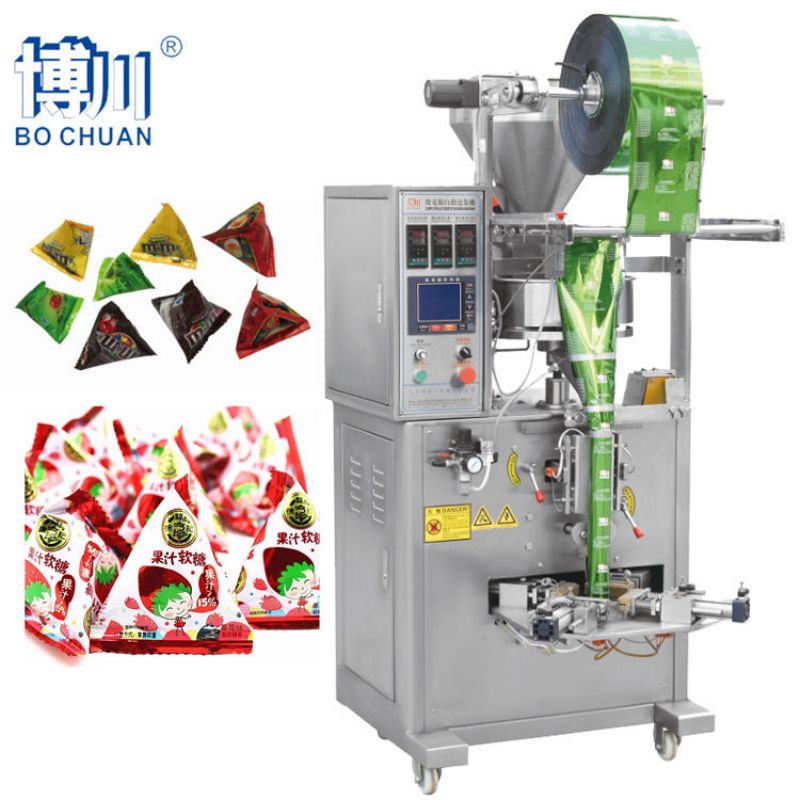
Microcomputer Automatic Triangle Packing Machine For Candy Nut and Chips
View Details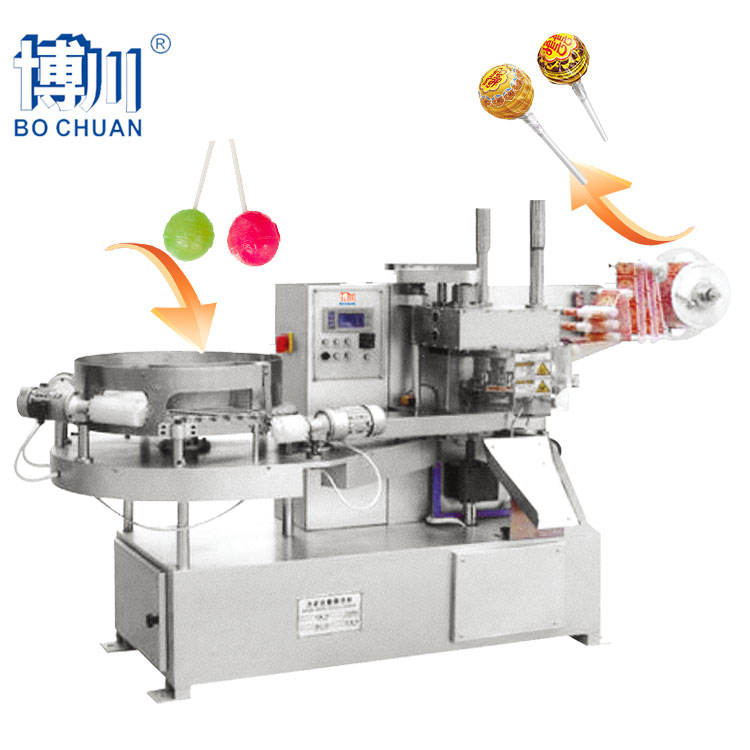
Lollipop Packaging Machine
View Details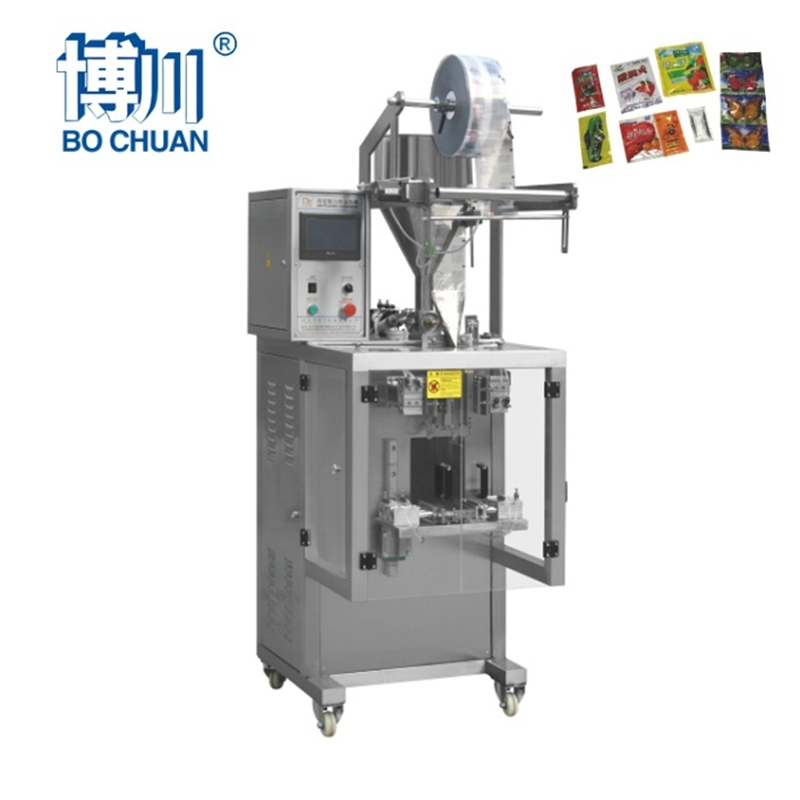
Manufacture factory Vertical Packing Machine for Granule
View Details