Featured Studio Chocolate & Praline Processing Equipment
Discover our high-precision machinery designed to streamline your confectionery workflow, from initial moulding to final high-speed packaging.
The Revolution of Micro-Batch Chocolate Coating in Artisanal Studios
The global confectionery market is witnessing a monumental paradigm shift. Consumers are increasingly moving away from mass-produced, uniform chocolate bars in favor of single-origin, bean-to-bar creations, and meticulously crafted pralines. Within this landscape, the homemade chocolate panning machine—often referred to as a studio-scale coating drum—has emerged as a foundational asset for boutique chocolatiers and experimental praline production studios.
Panning is a highly specialized art form. It is the process of building up layers of chocolate, sugar, or alternative coatings around a central core, such as roasted nuts, freeze-dried fruits, coffee beans, or soft caramel centers. Historically, this required massive industrial drums spanning several meters in diameter, which were completely unfeasible for small-scale workspaces. Today, modern engineering has scaled down these industrial capabilities, allowing local artisans to achieve flawless, high-gloss finishes right in their development kitchens.
Corporate Insight: Guangdong Bochuan Machinery Technology Co., Ltd. specializes in researching, developing, manufacturing, and marketing of various candy machines and food packing machines. Since the establishment of the company, based on the market and customer requirements, we keep developing technology, researching, and upgrading. We have developed and manufactured series of high-quality candy machinery and food packing machinery; our products have a top evaluation at home and abroad.
Key Application Scenarios in Praline & Dragée Production
To truly understand the value of a compact chocolate panning machine, one must look at the diverse applications it unlocks for modern pastry chefs and confectionery entrepreneurs:
Gourmet Nut Coating
Achieving the perfect balance of chocolate to nut ratio. Panning machines slowly build layers on roasted hazelnuts, almonds, and pistachios, ensuring even distribution and preventing clumping.
Freeze-Dried Fruit Dragées
Freeze-dried strawberries, raspberries, and blueberries are highly sensitive to moisture. A professional studio pan provides controlled airflow to seal the fruit before chocolate application.
Polishing & Coloring
The final stage of panning involves polishing to a mirror-like shine. Using natural glazing agents and metallic luster dusts, studios can create eye-catching, jewel-like pralines.
Mastering Temperature and Humidity Control
The secret to successful chocolate panning lies in the thermodynamic control of the workspace. Unlike industrial setups that utilize massive external air handling units, a modern studio panning machine must rely on integrated, compact air systems. As liquid tempered chocolate is sprayed or ladled onto the tumbling centers, cold air must be introduced at precise intervals to solidify the chocolate layer. Conversely, warm air is occasionally required to smooth out uneven surfaces. Advanced studio machines integrate digital temperature readouts and variable speed controls, allowing the operator to fine-tune the friction and cooling rates to match the specific melting profile of their chocolate formulation.
Credit First, Quality Guaranty: Engineering Custom Studio Solutions
Transitioning from hand-dipping to machine panning can be a challenging step for many small businesses. Space constraints, power supply limitations, and operator learning curves are common hurdles. This is where customized machinery design becomes essential.
At Guangdong Bochuan Machinery Technology Co., Ltd., we recognize that every chocolate studio is unique. Our engineering philosophy is centered around maximizing output while minimizing the physical footprint of our equipment. By tailoring layouts to the exact dimensions of our clients' workshops, we ensure that even micro-batch producers can scale their operations without needing to invest in larger, cost-prohibitive commercial real estate.
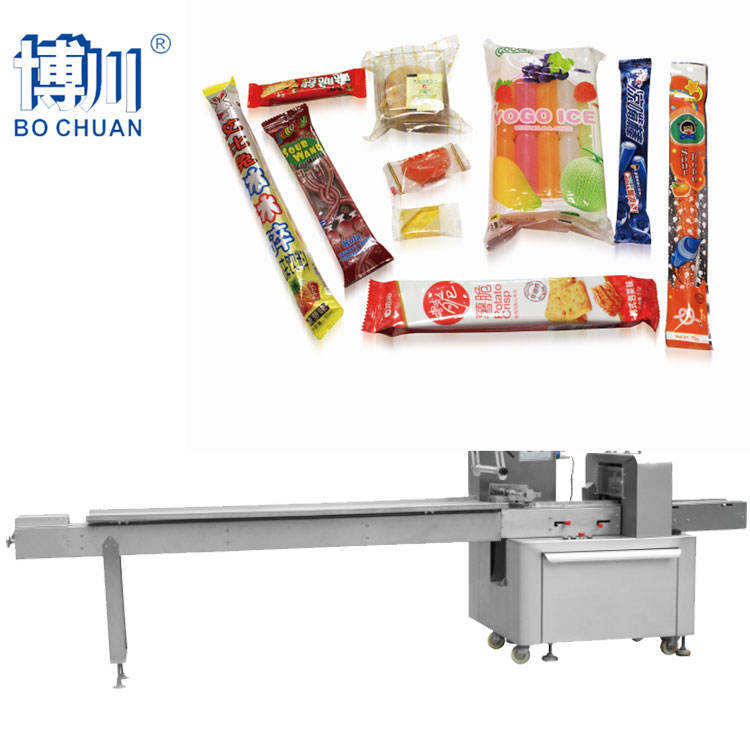
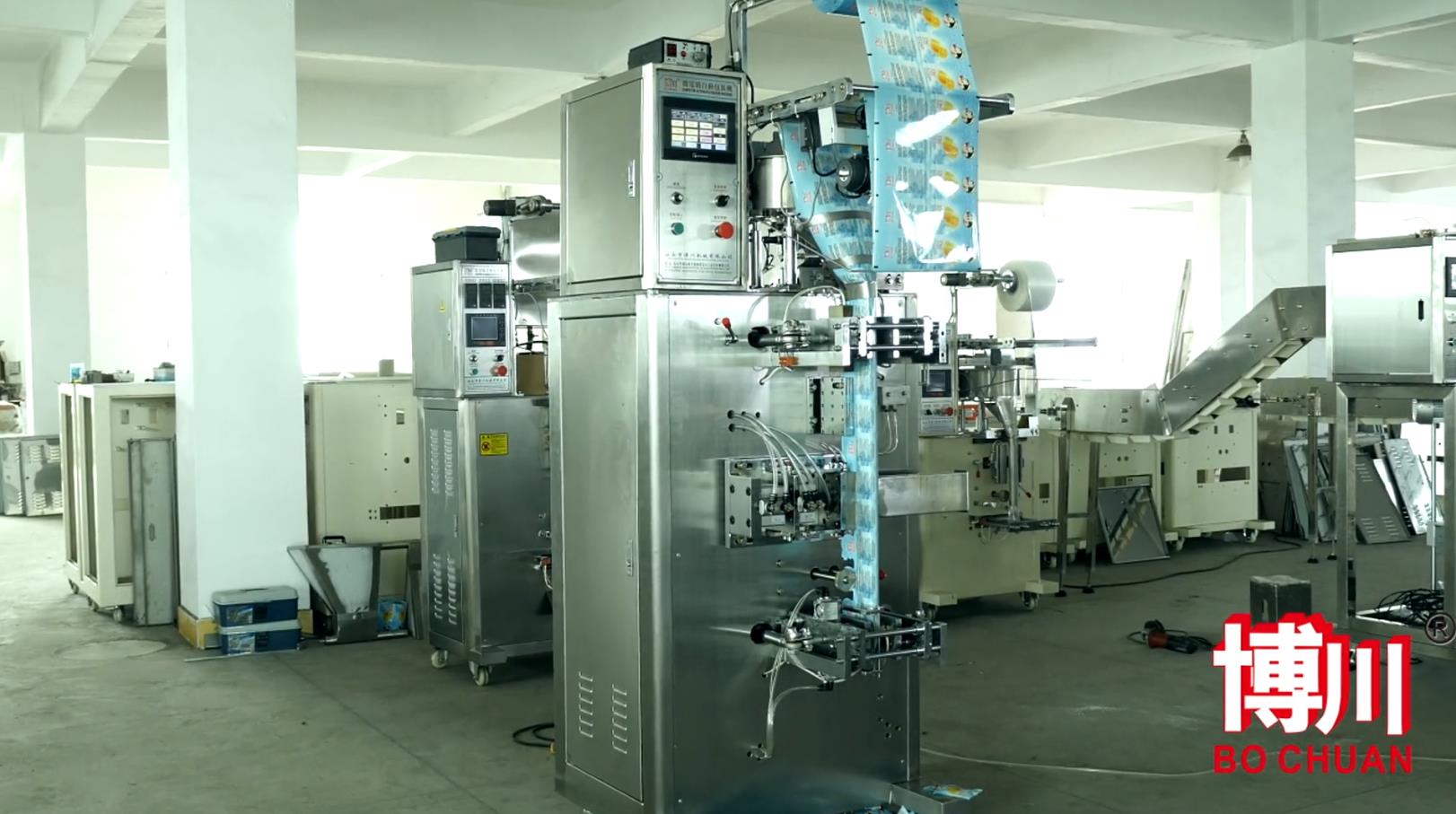
Confectionery & Packaging Machinery Range: Production lines of bubble gum, chewing gum, chocolate, soft candy, hard candy, and tablet candy. Packaging machinery includes: vertical packaging machines, pillow packaging machines, flat blister packaging machines, lapel weighing packaging machines, and bag weighing packaging machines. Due to the limitations of the production workshop of the customer company, we can customize the machine according to the actual situation of each customer, so that customers can use the machine to produce products within the existing space. Of course, for the operation of the machine, we also insist on making simple and easy-to-operate machines, so that customers can operate easily without worrying about the machine delaying production. Before the machine is shipped, our technicians will repeatedly debug the machine, adjust the machine to the best state, and the machine can enter the working state immediately after it arrives at the customer's company.
The Future of Praline Production: Automation Meets Craftsmanship
As we look toward the future of the confectionery industry, the line between artisanal quality and automated efficiency is blurring. Modern consumer demand is clear: they want the storytelling and premium ingredients of an artisan product, but they expect the consistency and safety standards of a large-scale manufacturer. This has driven the integration of smart technologies into even the smallest studio-scale panning setups.
1. Smart Drum Geometry and Materials
Traditional copper pans, while aesthetically pleasing, present cleaning challenges and chemical reactivity concerns with certain acidic ingredients. Modern studio pans are increasingly constructed from food-grade AISI 304 or 316 stainless steel, featuring specialized internal baffles. These baffles are mathematically modeled to ensure that delicate centers—like soft caramels or aerated chocolate cores—are tumbled gently without breaking, ensuring a 100% yield rate per batch.
2. Variable Speed and Angled Articulation
Different stages of the panning process require different rotational speeds. The initial coating phase requires a slower speed to prevent the centers from breaking apart under centrifugal force. As the chocolate layer thickens and hardens, the speed can be increased to polish the dragées through friction. Advanced panning units allow operators to adjust the tilt angle of the drum, optimizing the flow pattern of the product inside the pan for different shapes (e.g., spherical hazelnuts vs. flat almond slivers).
3. Integrated Spraying Systems
Manual ladling of chocolate is a highly skilled task but is prone to human error, resulting in uneven coating thicknesses. The integration of compact, heated airless spraying nozzles allows for the continuous, fine atomization of tempered chocolate over the tumbling bed. This results in a perfectly uniform shell, reducing the subsequent polishing time by up to 40% and drastically lowering labor costs.
Global Trade Relations & Automated Production Benefits
Our company has established good trade relations with many countries in the world, including the United States, Russia, India, the United Kingdom, Pakistan, etc., to help customers develop new products, reduce labor, improve automated production, increase production, and bring economic benefits to customers.
By providing global support and custom-tailored machinery, we enable local businesses to transition seamlessly from manual, labor-intensive processes to highly automated, reliable production cycles. Whether you are a bean-to-bar chocolatier in New York or a gourmet praline studio in London, our engineering team works hand-in-hand with you to ensure your equipment is calibrated to your local power grids, chocolate raw materials, and workshop layouts.
Explore Our Complete Confectionery & Packaging Line
From raw chocolate processing to final high-speed automated packaging, we provide end-to-end machinery solutions tailored for global distribution.
Precision Premade Bag Packing Machine for Artisanal Pralines & Granules
View Details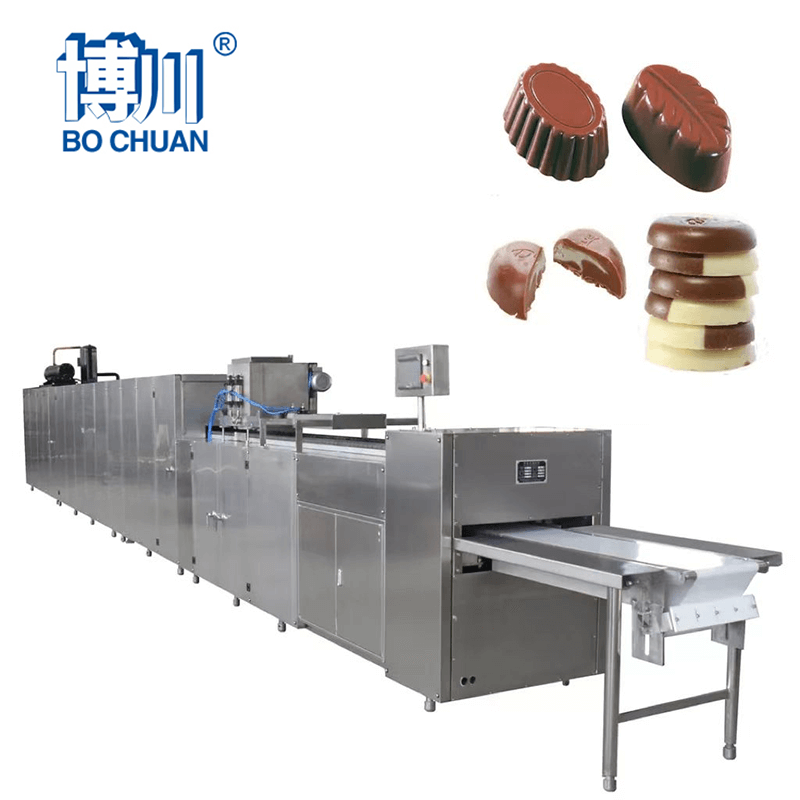
Industrial Chocolate Moulding & Praline Making Equipment Line
View Details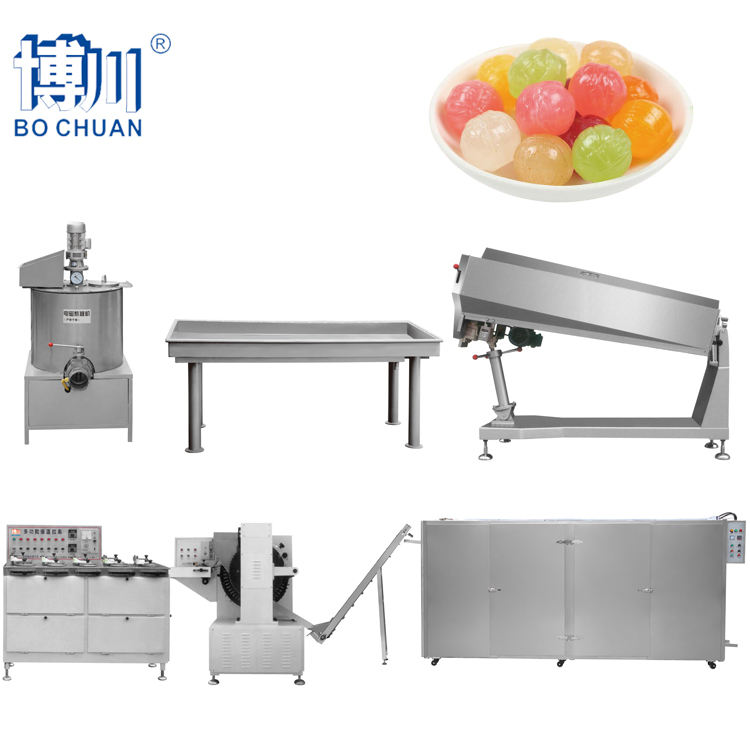
Artisanal Lollipop & Hard Candy Depositing Machine
View Details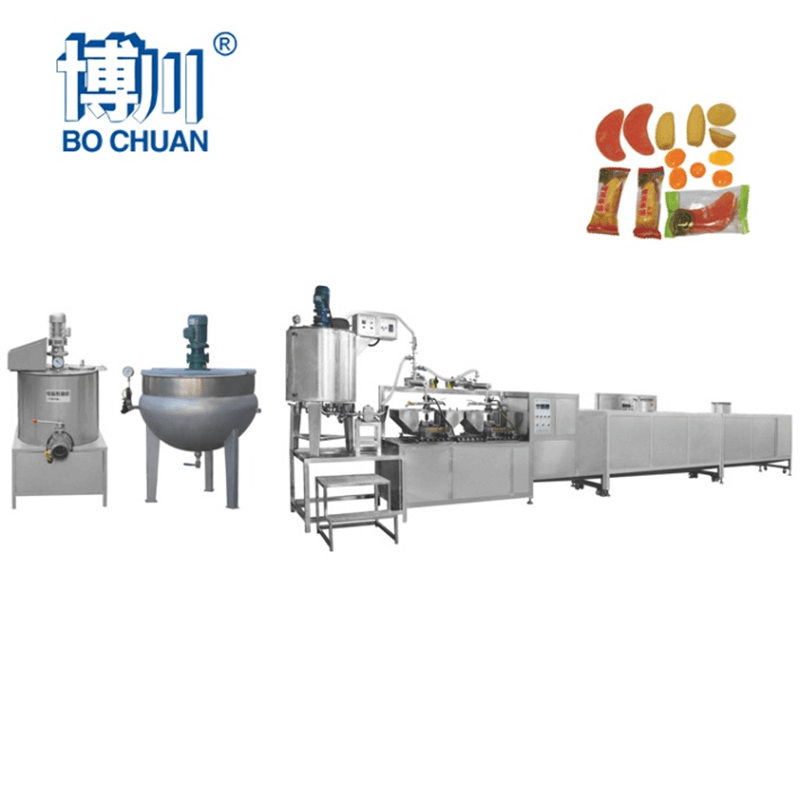
Vacuum Servo Depositing Line for Gourmet Soft & Hard Candies
View Details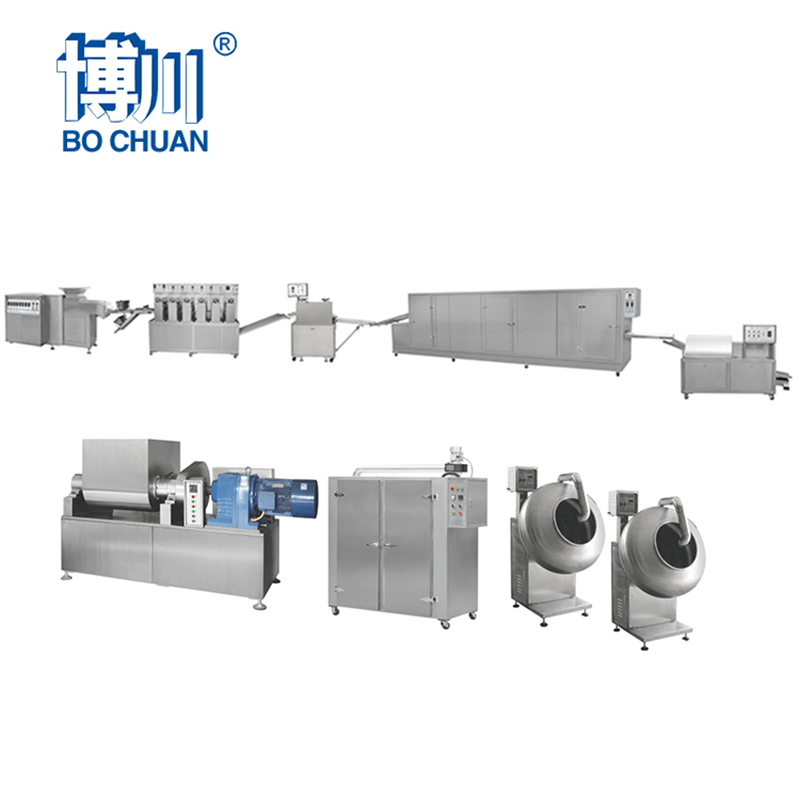
Chewing Gum & Soft Toffee Extruding Production Line
View Details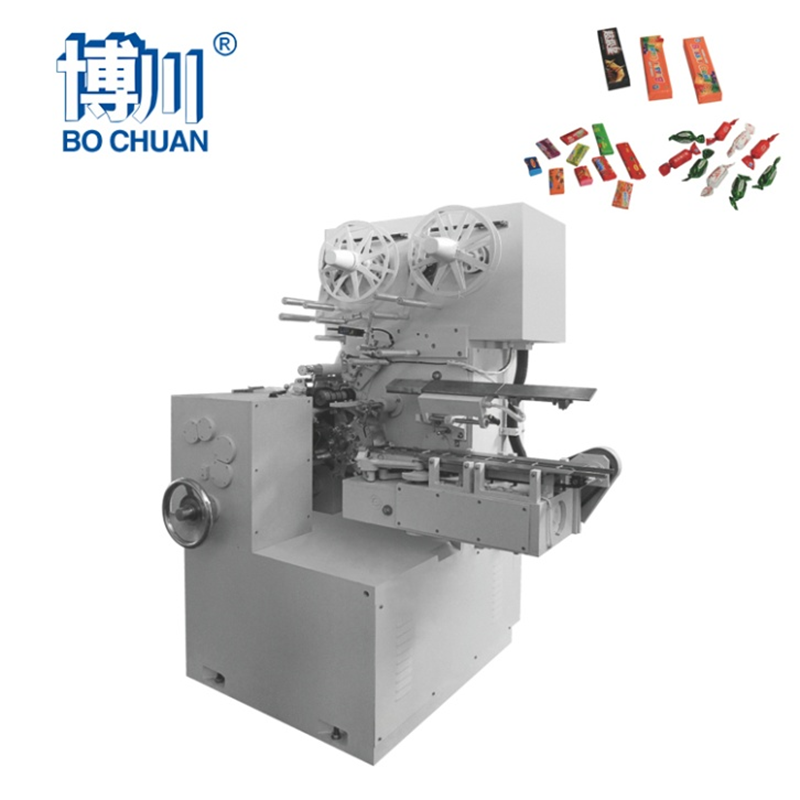
High-Speed Fold/Twist Wrapping Machine for Artisanal Sweets
View Details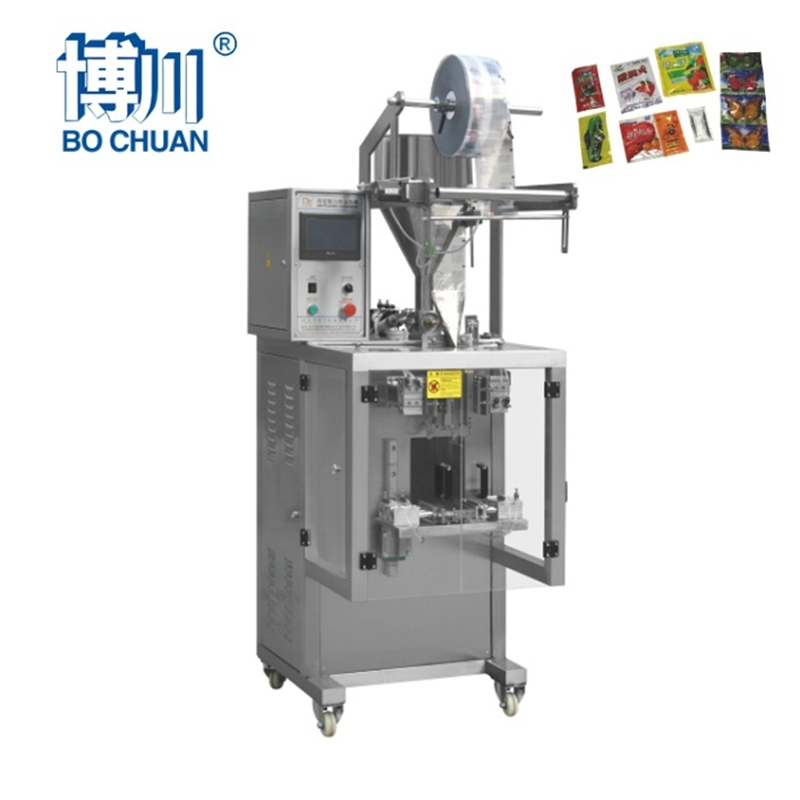
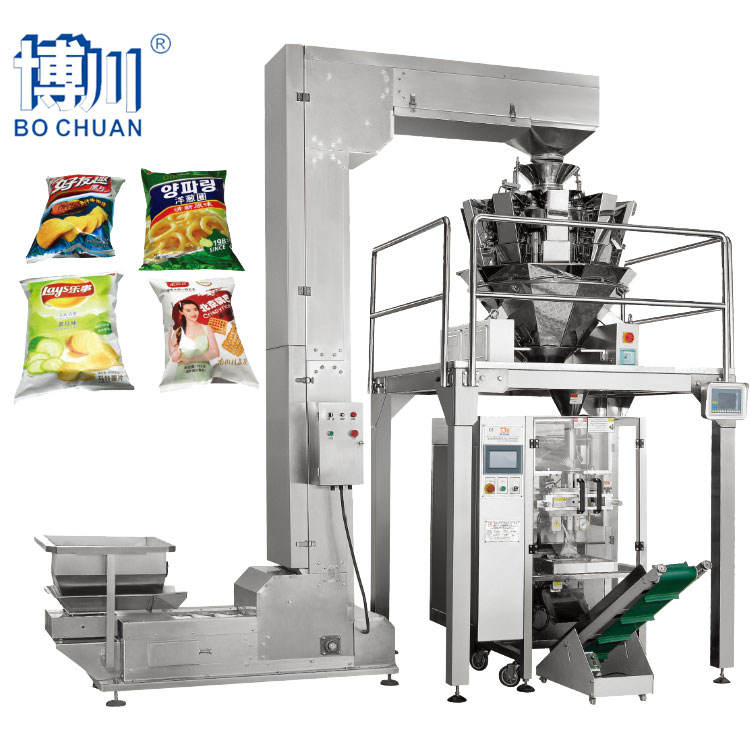
Vertical Pouch Packing Machine for Coated Chocolate Dragées
View Details