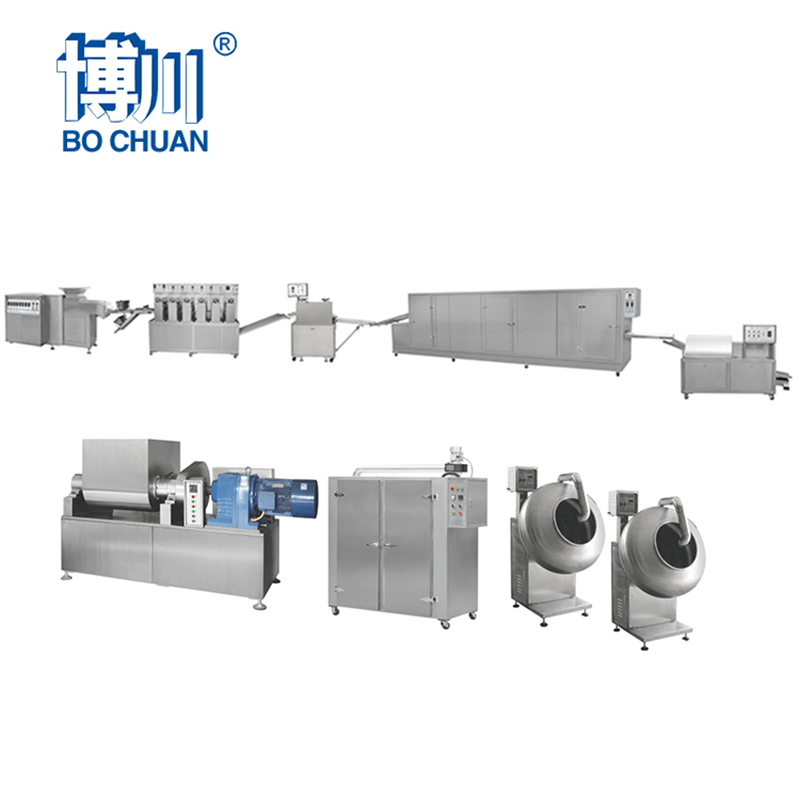
Featured Confectionery Equipment Solutions
The Industrial Landscape of Gummy Bear Manufacturing in Poland
Poland has firmly established itself as one of the dynamic manufacturing powerhouses of Central Europe. With its strategic geographic location, strong logistical corridors, and robust agricultural output, the country's food processing and confectionery sector has experienced exponential growth over the past decade. Among the various sweet treats, gummy candies and functional jellies have emerged as the fastest-growing categories in the Polish domestic and export markets.
Polish confectionery factories are no longer just producing traditional sweets. Today, they are serving as primary manufacturing hubs for global brands and private labels across the European Union. This surge in demand has created a critical need for advanced, reliable, and high-capacity gummy bear making machines. Local producers are actively upgrading their production facilities, moving away from outdated manual processes to fully automated, high-precision candy machinery to maintain competitiveness, meet stringent EU food safety standards, and counteract rising labor costs.
Key Technology Trends in Gummy Bear Making Machinery
The modern confectionery industry is experiencing a technological revolution. If you are looking to source a gummy bear making machine in Poland, understanding these trends is essential to choosing the right supplier and future-proofing your investment:
1. Starchless Depositing Technology
Traditionally, gummy candies were produced using starch mogul lines, which rely on cornstarch molds to shape and dry the gelatin mixture. While highly versatile, starch moguls require a massive physical footprint, involve complex dust management, and pose cross-contamination risks. Starchless depositing technology has become the industry standard for new installations in Poland. Starchless systems utilize metal or silicone molds, allowing for rapid cooling, immediate demolding, and exceptionally clean operation. This technology is particularly critical for producing nutraceutical and pharmaceutical-grade gummies, where hygiene and ingredient purity are non-negotiable.
2. Precision PLC and Smart Control Systems
Modern gummy manufacturing lines are equipped with advanced PLC (Programmable Logic Controller) systems and touch-screen interfaces. These smart control systems allow operators to manage cooking temperatures, depositing speeds, mold synchronization, and cooling parameters from a single console. In Poland's highly competitive market, the ability to store and recall specific product recipes ensures rapid changeovers between different flavors, colors, and shapes, minimizing downtime and maximizing machinery utilization rates.
3. Eco-Friendly and Energy-Efficient Operations
With energy sustainability being a top priority across European industries, modern gummy bear making machines are designed to optimize thermal efficiency. Advanced steam heating systems, heat-recovery units in cooling tunnels, and servo-driven depositing pumps drastically reduce electricity and water consumption, helping Polish factories align with EU green initiatives and lower overall operational costs.
Localized Application Scenarios in Poland
To fully appreciate how a gummy bear making machine integrates into the Polish industrial ecosystem, it is helpful to analyze the primary application scenarios where this machinery is deployed:
High-Volume Retail Confectionery Production
Large-scale confectionery plants located in industrial zones like Warsaw, Poznań, and Katowice require continuous, high-output production lines. These lines typically feature automated raw material feeding, continuous vacuum cooking, multi-color inline flavor/color dosing, and high-speed depositors capable of producing tens of thousands of gummy bears per hour. These systems are paired with automated packaging lines to ensure the product goes from liquid syrup to sealed retail pouch with zero human contact.
Nutraceuticals & Dietary Supplements
Poland's pharmaceutical and health supplement sectors are rapidly adopting gummy formats. Consumers prefer taking vitamins, collagen, melatonin, and probiotics in the form of tasty chewable gummies rather than traditional pills. Factories supplying pharmacies and health shops require specialized, highly hygienic starchless depositing machines that can precisely dose active ingredients into each gummy bear, ensuring strict compliance with European pharmaceutical manufacturing standards.
SMEs and Custom Artisanal Brands
A growing segment of the Polish market consists of small-to-medium enterprises (SMEs) producing premium, organic, vegan, or localized specialty candies (using local ingredients like Baltic sea buckthorn or Polish forest berries). For these businesses, compact, flexible, and semi-automated gummy bear making machines are ideal. These systems allow for lower initial capital expenditure while offering the flexibility to run small batches and experiment with unique, customized mold shapes.
Guangdong Bochuan Machinery Technology Co., Ltd.
Guangdong Bochuan Machinery Technology Co., Ltd. Specializes in Researching Developing Manufacturing and Marketing O Fvarious Candy Machine and Food Packing Machine. Since the Estadlishment of the Company, Based on the Market and Customer Requirements , We Keep Developing Technology Researching and Upgrading .we Have Developed and Manufactured Serise of High Quality Candy Machinery and Food Packing Machinery,our Products Have a Top Evaluation at Home Abroad.
By combining our global manufacturing expertise with the specific needs of local markets, Guangdong Bochuan has become a premier supplier of candy production machinery for businesses across Poland and the wider European region. Our focus on technological innovation ensures that our machinery meets the strict efficiency, safety, and hygiene standards demanded by modern European food producers.
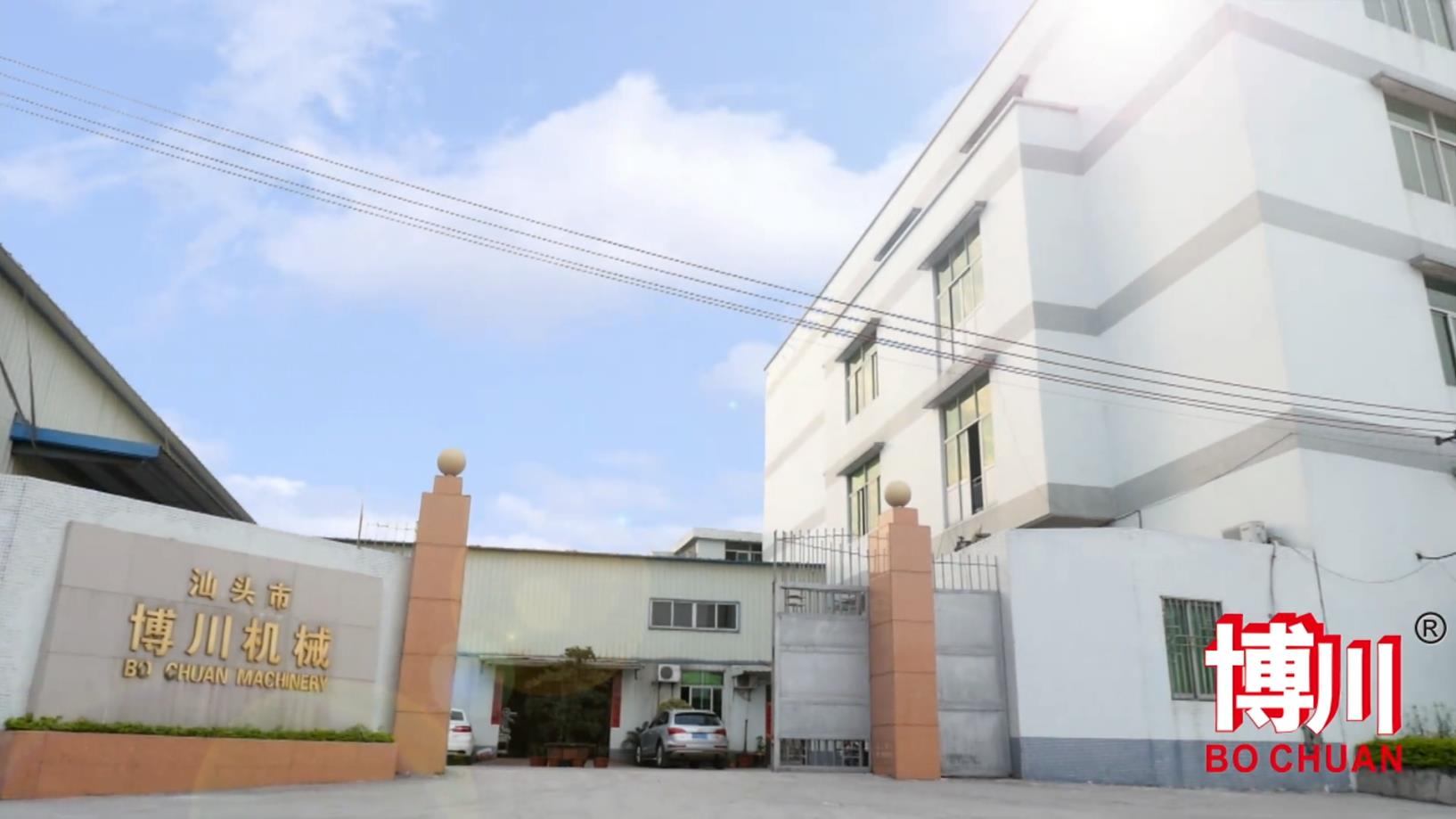
Credit First, Quality Guaranty
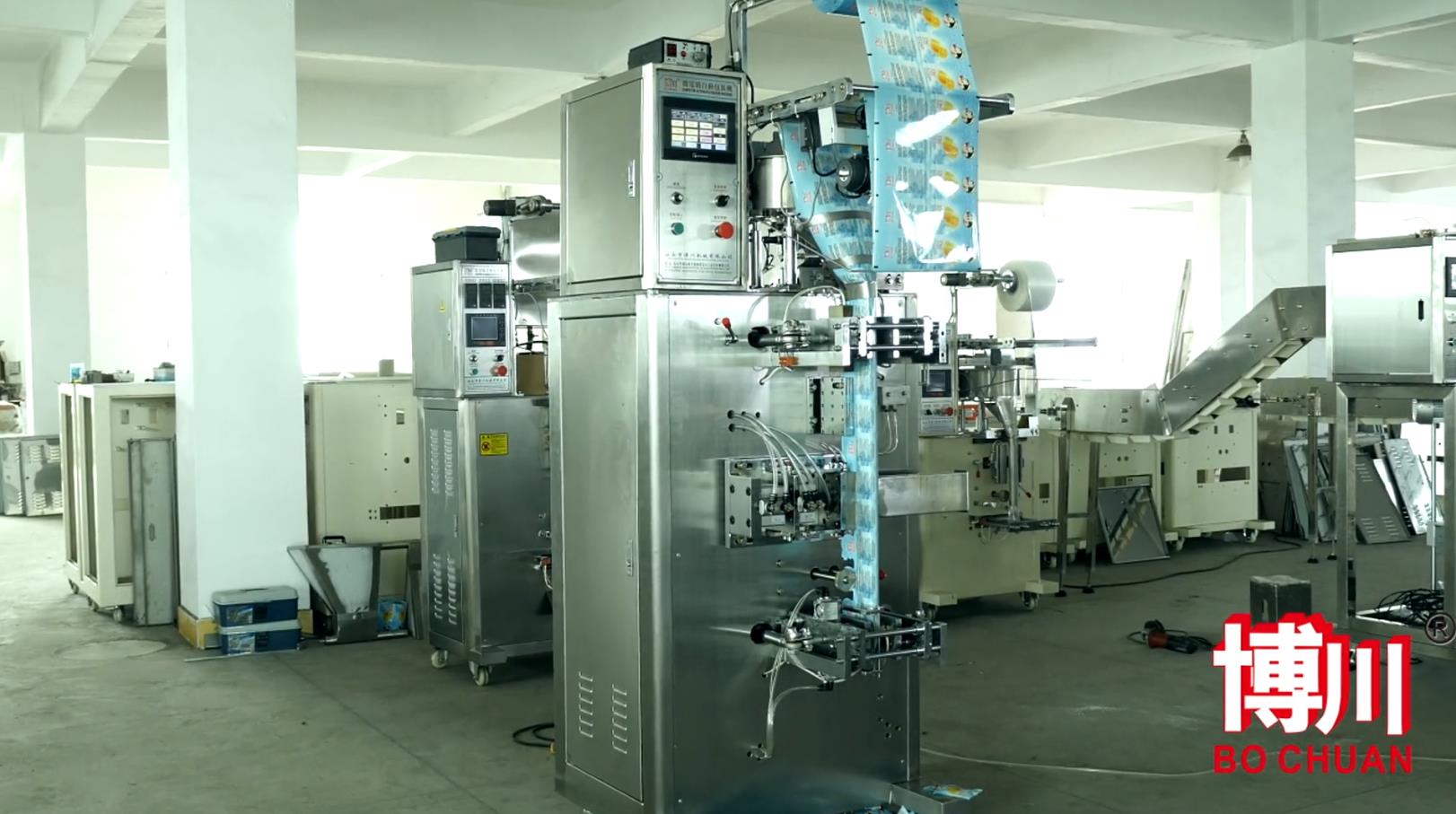
Candy Food Machinery: Production Lines of Bubble Gum, Chewing Gum, Chocolate, Soft Candy, Hard Candy and Tablet Candy; Packaging Machinery: Vertical Packaging Machine, Pillow Packaging Machine, Flat Blister Packaging Machine, Lapel Weighing Packaging Machine, Bag Weighing Packaging Machine. Due to the Limitation of the Production Workshop of the Customer Company, We Can Customize the Machine According to the Actual Situation of Each Customer, So That Customers Can Use the Machine to Produce Products within the Existing Space. of Course, for the Operation of the Machine, We Also Insist on Making Simple and Easy to Operate Machines, So That Customers Can Operate Easily Without Worrying About the Machine Delaying Production. Before the Machine is Shipped, Our Technicians Will Repeatedly Debug the Machine, Adjust the Machine to the Best State, and the Machine Can Enter the Working State Immediately After It Arrives at the Customer's Company With.
Customization and Engineering for Polish Production Facilities
One of the primary challenges faced by confectionery manufacturers in Poland is the configuration of their existing facilities. Historic industrial buildings or older food processing plants often have layout constraints, low ceilings, or narrow production corridors. Recognizing this, Guangdong Bochuan specializes in tailored engineering solutions. We don't just supply standard off-the-shelf equipment; we design and customize the layout of our gummy bear making machines to fit your specific floor plan.
Whether you require a U-shaped cooling tunnel to fit a square room, or a elevated cooking platform to utilize vertical space, our engineering team works closely with your local production managers. Furthermore, we prioritize operational simplicity. Our human-machine interfaces (HMIs) are designed for intuitive control, reducing the learning curve for factory workers and minimizing human error during operation. Every machine undergoes rigorous testing under load at our factory before shipping, ensuring that when it arrives at your facility in Poland, it can be integrated into your production line with minimal delay.
Global Trade Relations & Industrial Cooperation
Our Company Has Established Good Trade Relations with Many Countries in the World, Including the United States, Russia, India, the United Kingdom, Pakistan, Etc., to Help Customers Develop New Products, Reduce Labor, Improve Automated Production, Increase Production, and Bring Economic Benefits to Customers.
Our extensive global footprint allows us to bring international best practices to our partners in Poland. By analyzing diverse manufacturing environments across the Americas, Asia, and Europe, we continuously refine our machinery to handle a wide range of ingredients, including gelatin, pectin, carrageenan, and starch-based formulations. This global perspective helps Polish manufacturers innovate their product lines, introduce new textures, and implement cutting-edge packaging technologies that appeal to modern consumers.
Understanding the Gummy Bear Production Process
For businesses planning to establish a new gummy manufacturing facility or upgrade their existing lines in Poland, understanding the step-by-step process of a modern automated line is essential:
- Ingredient Preparation and Cooking: Gelatin or pectin, sugar, glucose syrup, and water are weighed and mixed in a jacketed dissolving cooker. The mixture is heated to a precise boiling point to dissolve all solids.
- Blending and Conditioning: The cooked mass is transferred to a storage tank where flavorings, food colorings, citric acid, and active ingredients (in the case of functional gummies) are precisely dosed and thoroughly blended.
- Depositing: The conditioned syrup is fed into the hopper of the depositing machine. Servo-controlled pistons inject precise amounts of syrup into the molds as they pass underneath.
- Cooling and Solidifying: The filled molds pass through a multi-tier cooling tunnel. Controlled temperature and airflow quickly solidify the liquid syrup into chewy gummy bears.
- Demolding: An automated demolding mechanism (utilizing air pins and ejector plates) gently releases the gummy bears from the molds onto a conveyor belt.
- Finishing (Oiling or Sugaring): The gummy bears pass through an oiling drum (to apply a thin layer of glazing oil to prevent sticking and add shine) or a sugar coating drum.
- Packaging: The finished gummy bears are conveyed to automated packaging machinery, such as vertical form-fill-seal (VFFS) machines or premade pouch filling lines, to be packaged for retail.
How to Choose the Right Gummy Machine Supplier in Poland
Selecting a machinery supplier is a long-term partnership. When evaluating potential factories and suppliers for your Polish confectionery business, consider the following factors:
- Compliance with CE Standards: Ensure that all equipment complies with European safety, health, and environmental protection standards (CE marking).
- Material Quality: The machinery must be constructed from food-grade stainless steel (SUS304 or SUS316) to resist corrosion and allow for thorough clean-in-place (CIP) sanitation.
- Customization Capabilities: The supplier should be able to modify the machine's speed, mold configurations, and layout to match your production space and target product specifications.
- After-Sales Support: Reliable technical support, remote troubleshooting, and fast spare parts availability are crucial to minimizing production downtime.
Complete Candy & Food Packaging Machinery Catalog
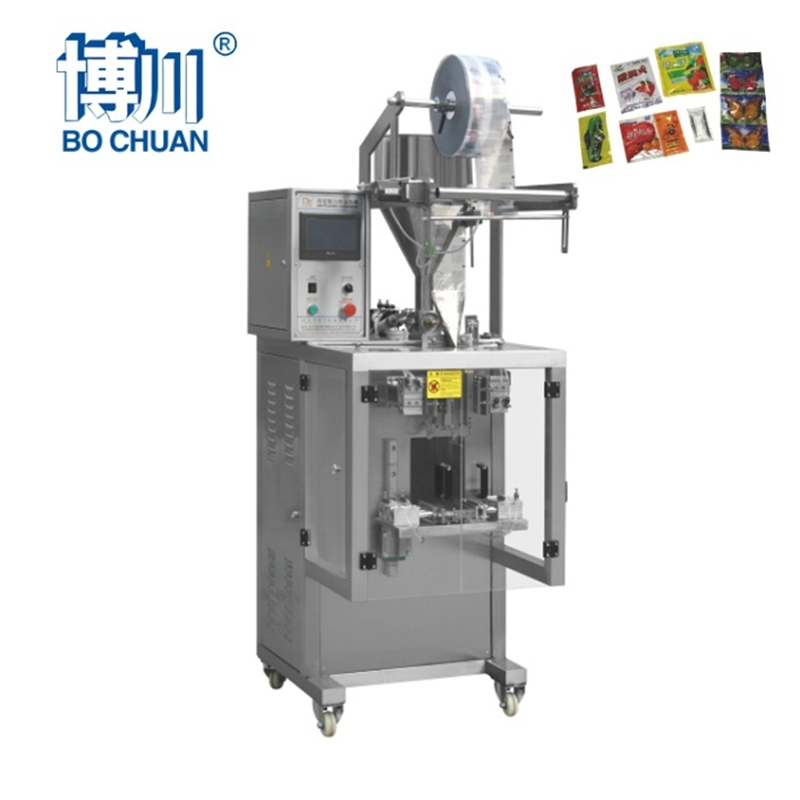
Manufacture factory Vertical Packing Machine for Granule
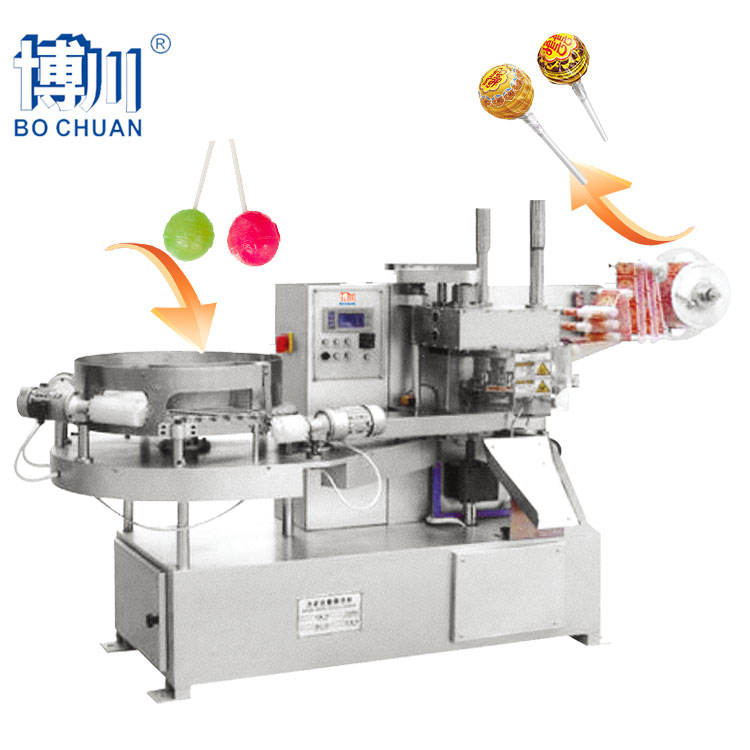
Lollipop Packaging Machine
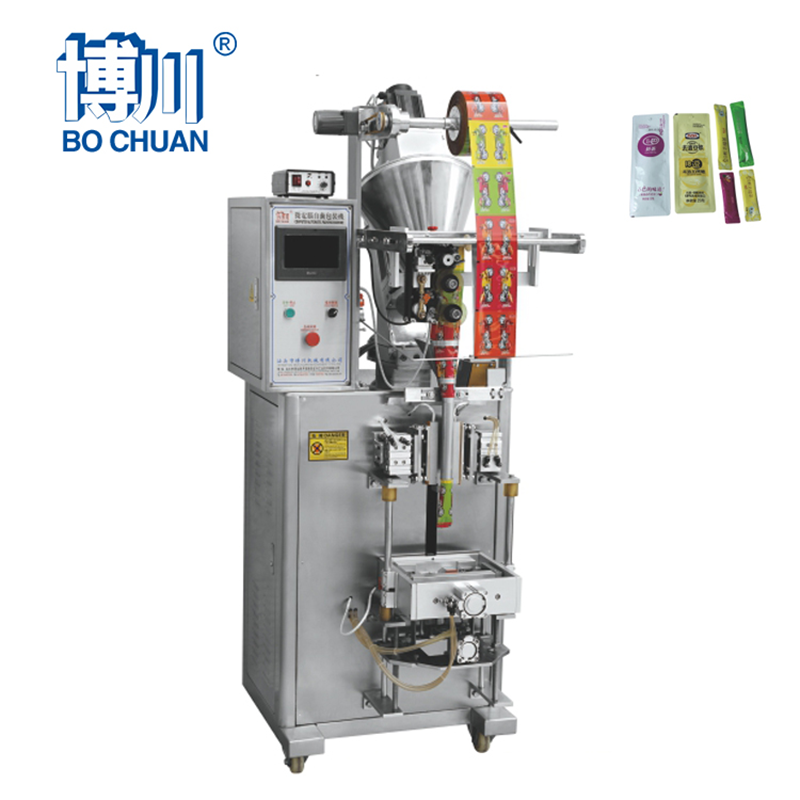
Manufacture factory Vertical Packing Machine for coffee Powder
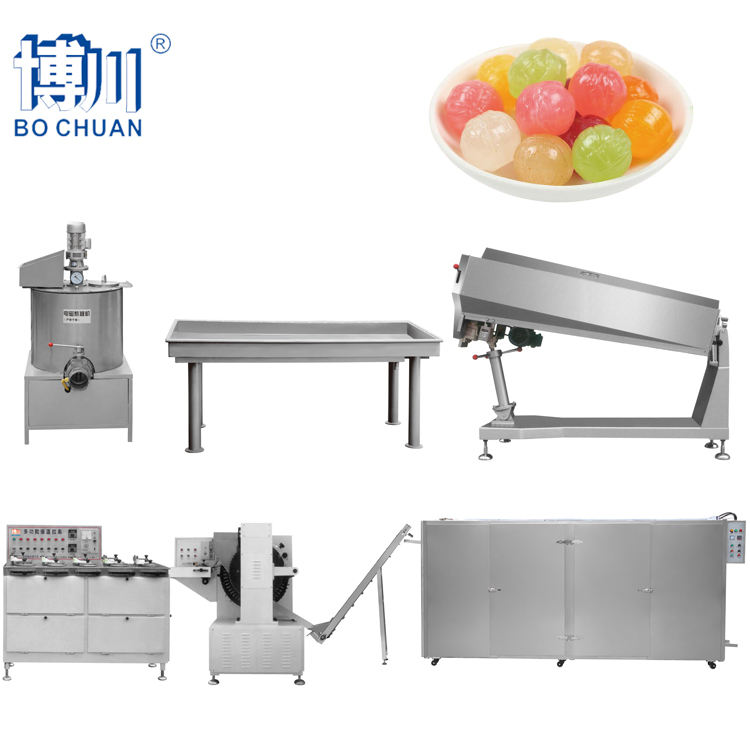
Lollipop and Hard Candy Making Machine
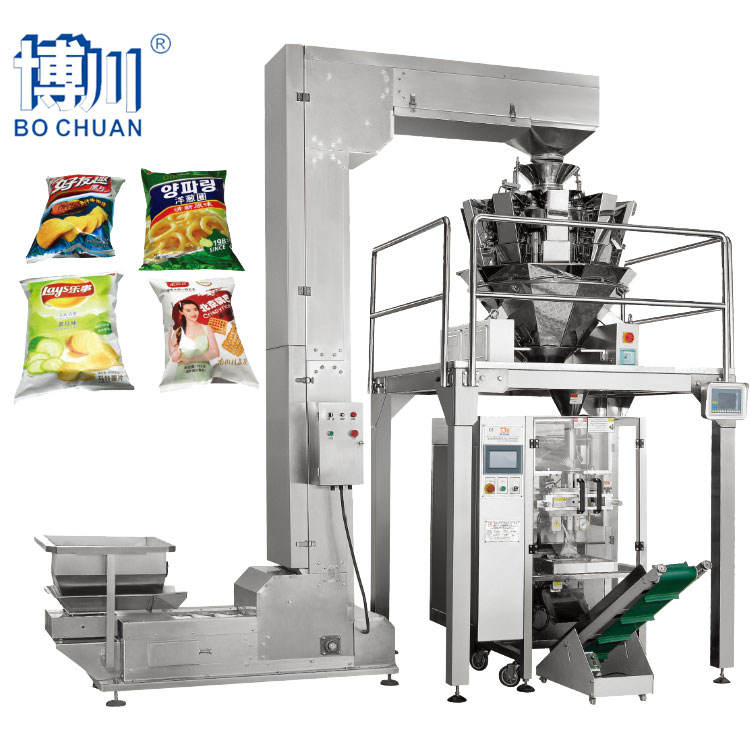
Premade Bag Packing Machine for Granule with Weighting
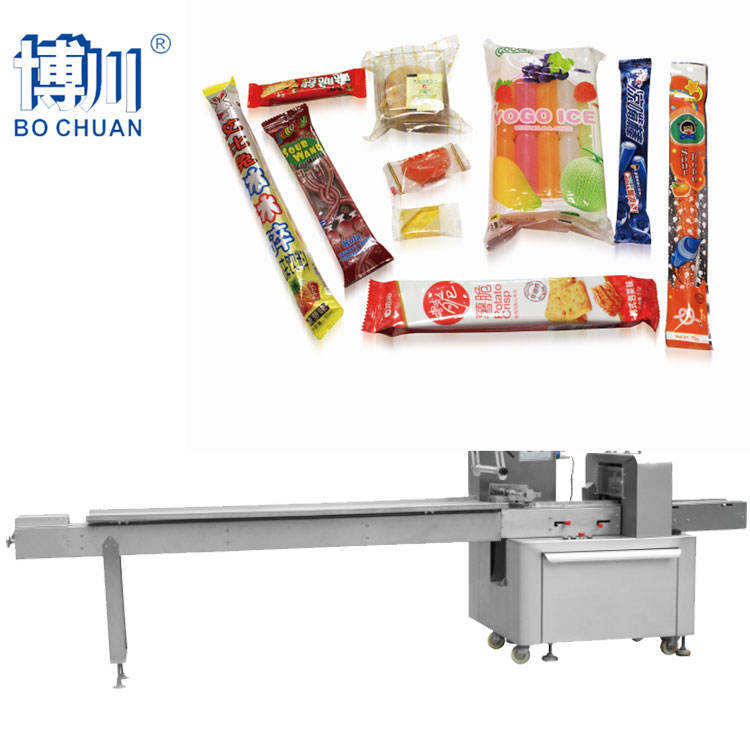
Pillow Packaging Machine
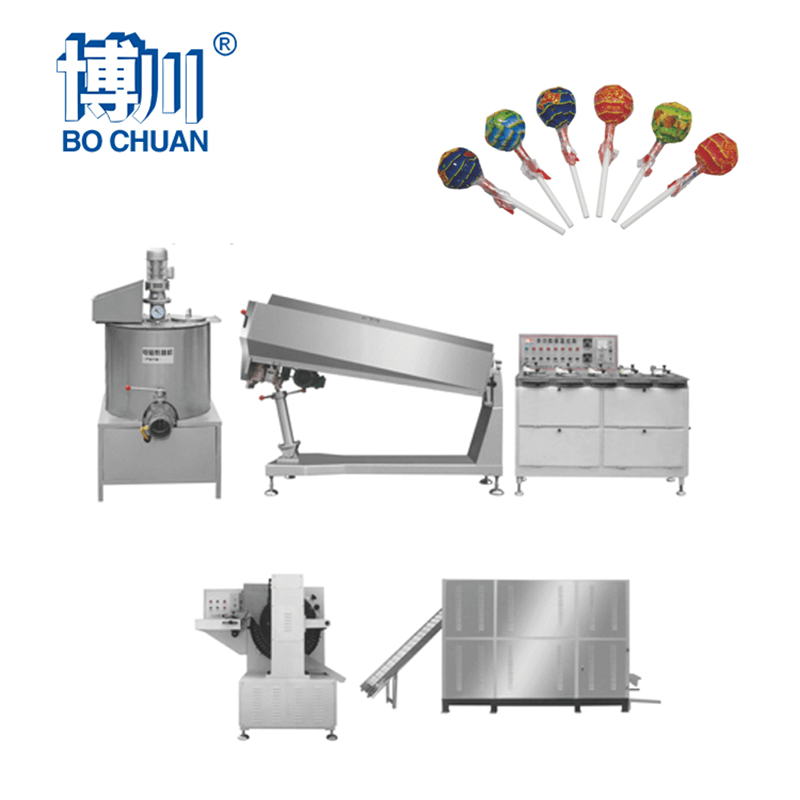
Lollipop and Hard Candy Forming Production Line