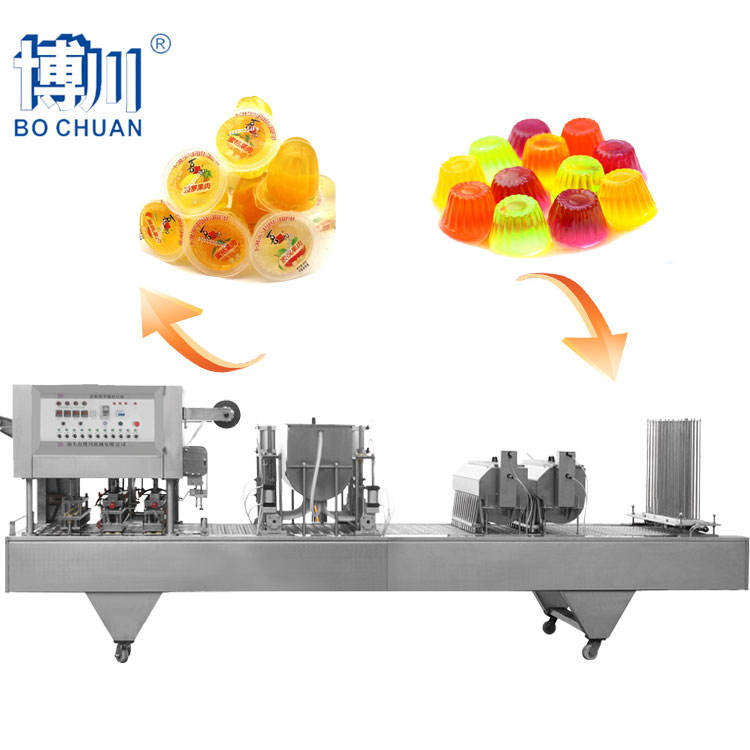
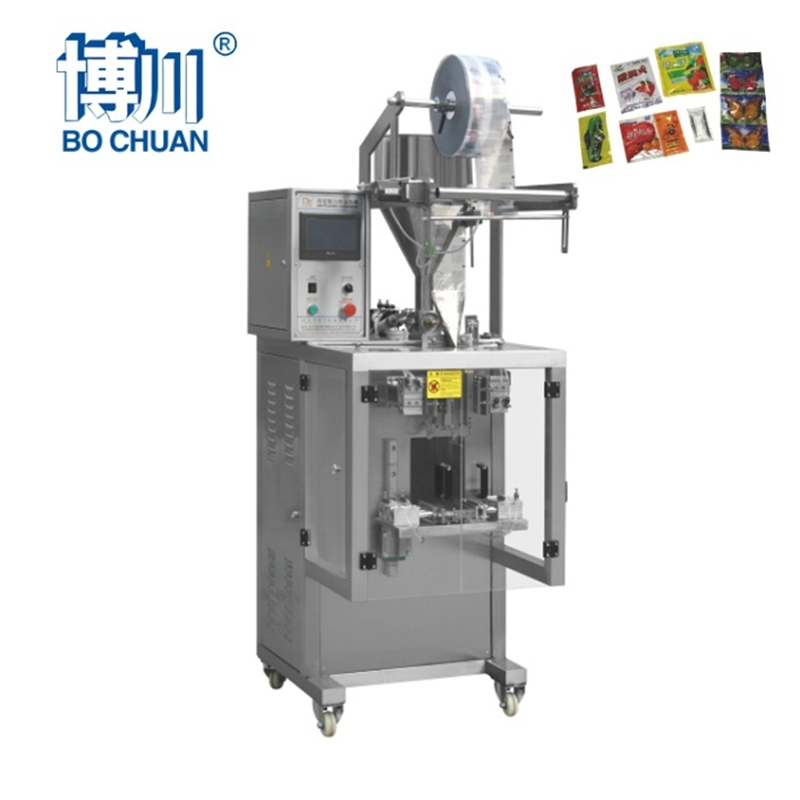
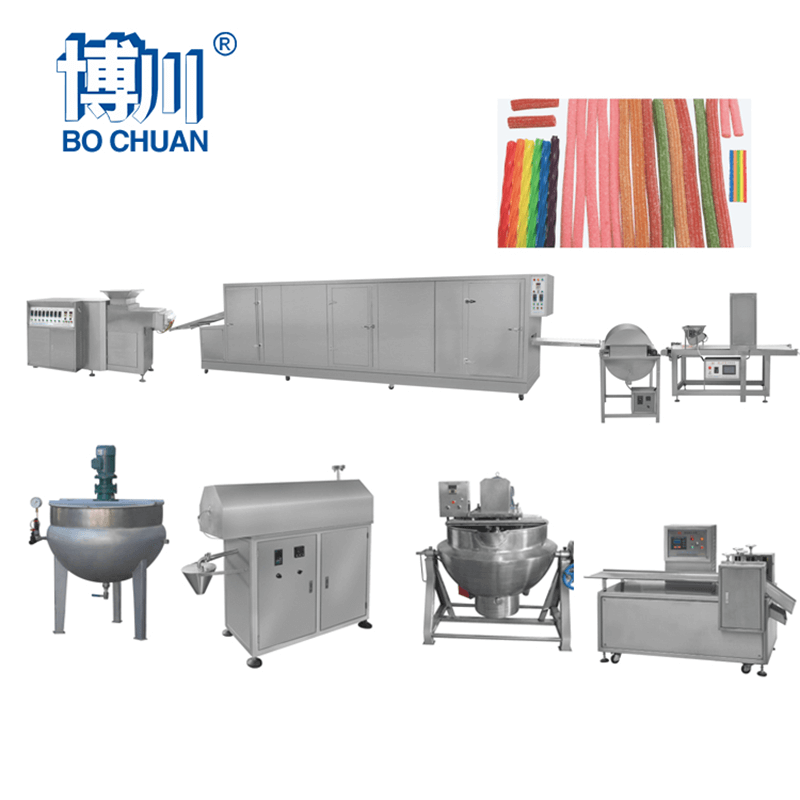
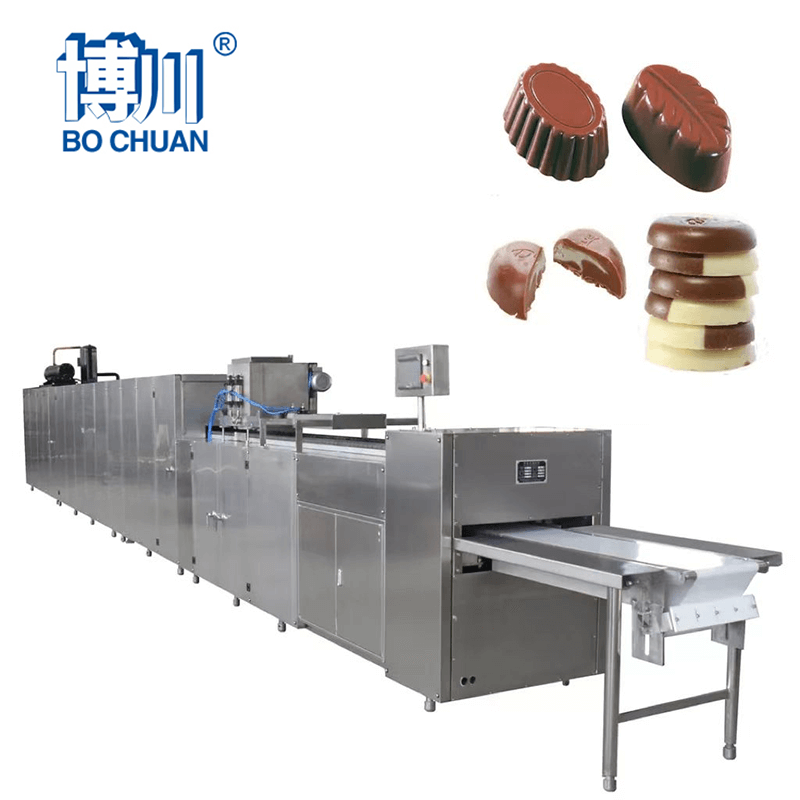
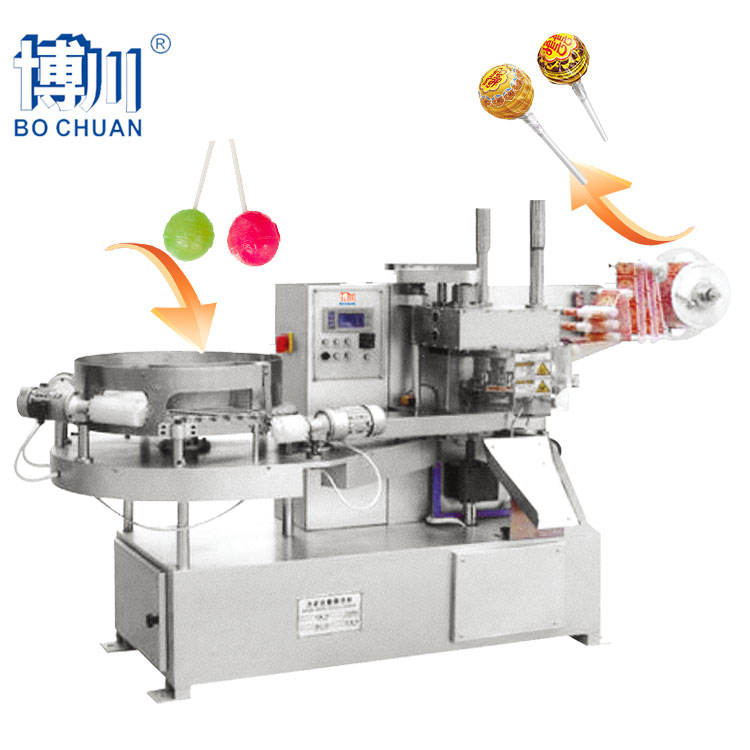
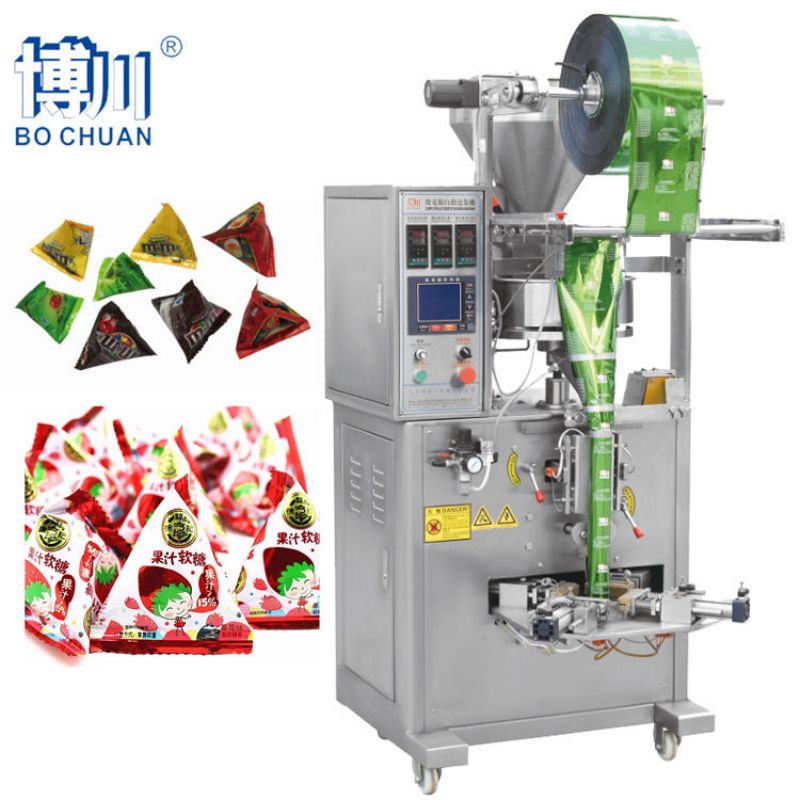
Stick Candy & Lollipop Processing Components
Explore our core automation machinery designed to streamline your confectionery production line.
The Evolution of Cotton Candy Maker Machines in Modern Lollipop Mass Production Lines
The confectionery manufacturing sector is undergoing an unprecedented technological renaissance. Historically, cotton candy (spun sugar) and hard candies were produced using labor-intensive, small-batch techniques. However, the rise of global consumer demand has necessitated a shift towards fully integrated, continuous-flow production systems. Today, the integration of a cotton candy maker machine for stick candy and lollipop mass production lines represents a pinnacle of confectionery engineering, combining thermodynamics, aerodynamics, and high-speed mechanical synchronization.
In industrial lollipop mass production, the term "cotton candy maker" has evolved. It no longer refers merely to the carnival-style spinning bowls, but to highly sophisticated, continuous sugar-extrusion and fiber-spinning matrices. These systems spin, shape, and wind micro-fibers of sugar directly onto sticks, or compress aerated sugar matrices into dense, flavorful stick candies. The goal is clear: to achieve maximum throughput, absolute weight consistency, and compliance with stringent food safety standards while maintaining the delicate, melt-in-your-mouth texture that consumers expect.
Modern production lines must operate 24/7. By transitioning from batch sugar boiling to continuous vacuum cooking and high-speed spinning heads, manufacturers can produce up to thousands of lollipops per minute. This reduces sugar degradation, preserves color and flavor profiles, and significantly lowers energy consumption per unit produced.
Deep Dive: The Anatomy of an Industrial Stick Candy Production Line
A complete mass production line for stick candies and lollipops is a complex ecosystem of interconnected machinery. The process begins with raw ingredient handling and ends with primary and secondary packaging. Understanding each stage is crucial for optimizing yield and minimizing downtime.
1. Raw Ingredient Preparation & Vacuum Cooking
The foundation of high-quality hard candy or spun-sugar lollipop is the sugar syrup. Automated weighing and mixing systems dissolve sugar, glucose, water, and additives into a homogeneous slurry. This slurry is pumped into a continuous vacuum cooker. Vacuum cooking is essential because it allows water evaporation at lower temperatures, preventing the caramelization (browning) of the sugar, which is critical for vibrant, clear lollipops and bright cotton candy fibers.
2. The Spinning and Forming Chamber
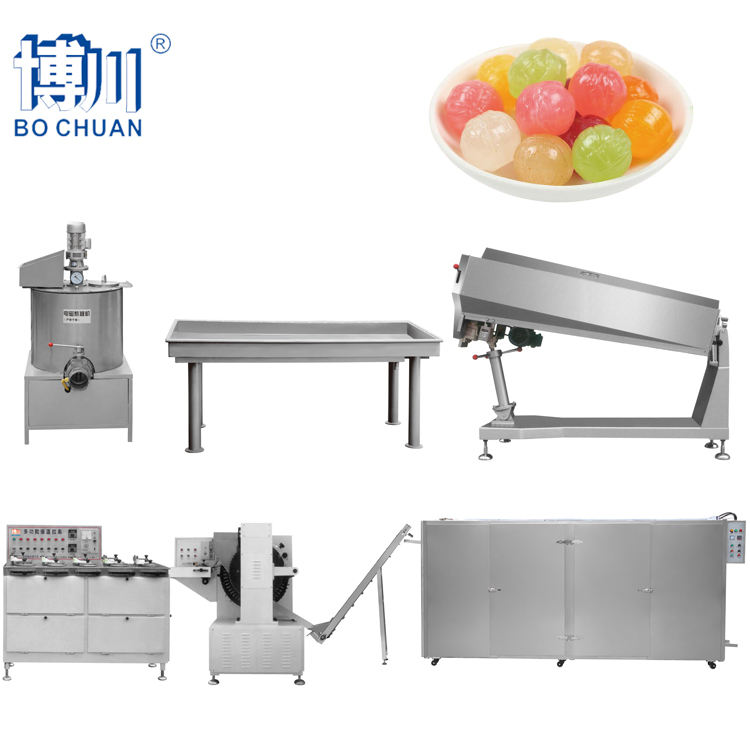
For cotton candy style stick candies, the cooked sugar mass is fed into specialized spinning heads equipped with micro-apertures. Centrifugal force, combined with precisely controlled heating elements, forces the molten sugar through these micro-apertures, instantly cooling it into fine threads. In automated lines, these threads are continuously gathered by mechanical arms and wound onto rotating sticks. For pressed or molded lollipops, the sugar mass is cooled on a tempering table, passed through batch rollers and rope sizers, and then fed into a rotary die-forming machine where the sticks are automatically inserted.
3. High-Speed Stick Insertion Technology
Stick insertion is one of the most mechanically demanding phases of the production line. Modern lines utilize servo-driven stick feeders that insert plastic, paper, or wooden sticks into the soft candy mass at the exact microsecond of forming. Any misalignment can result in structural failure of the lollipop, leading to jams in the packaging stage. Advanced sensor arrays monitor stick presence and alignment in real-time, instantly rejecting any defective units before they reach the cooling tunnel.
Corporate Excellence
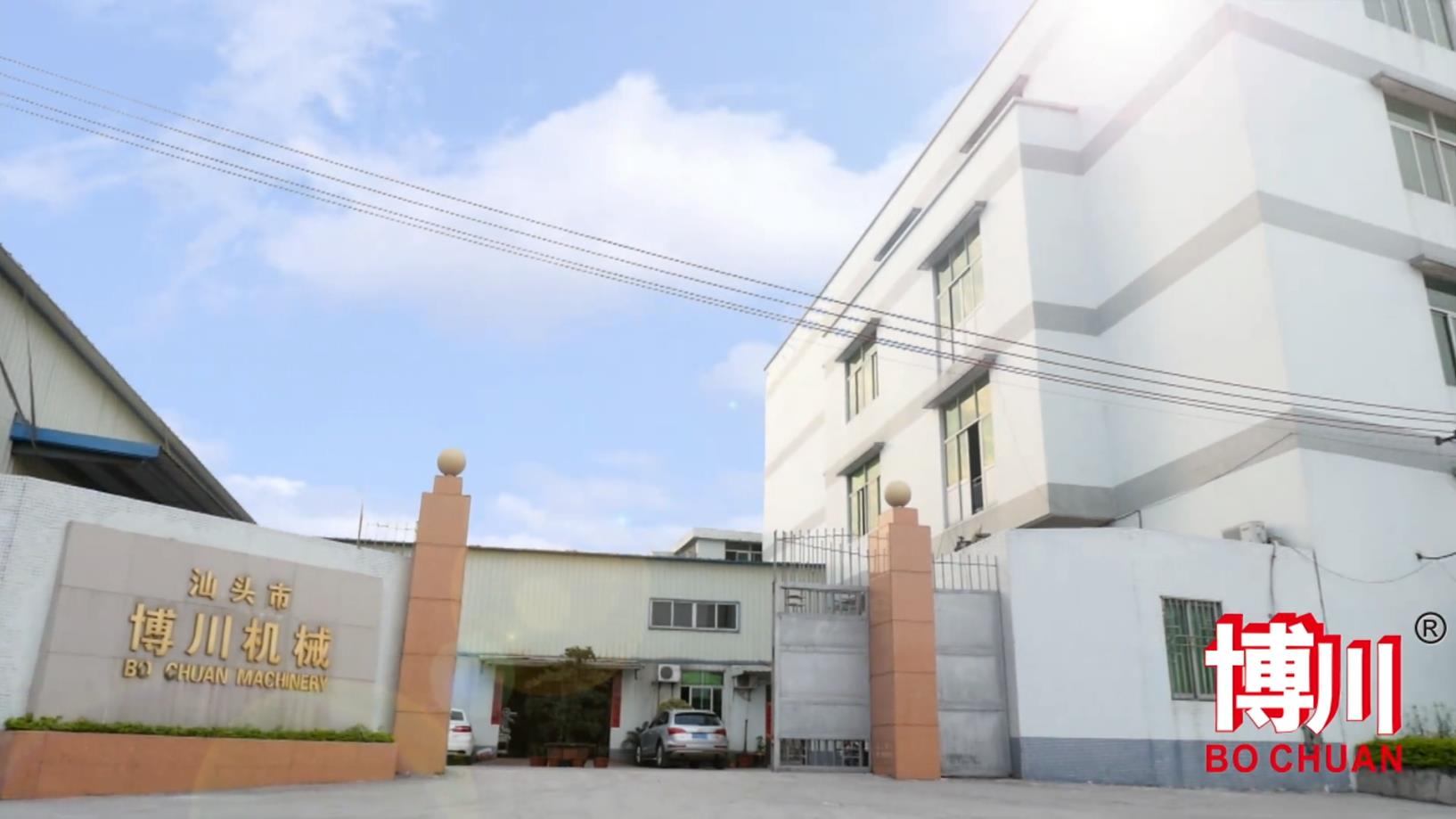
Guangdong Bochuan Machinery Technology Co., Ltd. Specializes in Researching Developing Manufacturing and Marketing O Fvarious Candy Machine and Food Packing Machine. Since the Estadlishment of the Company, Based on the Market and Customer Requirements , We Keep Developing Technology Researching and Upgrading .we Have Developed and Manufactured Serise of High Quality Candy Machinery and Food Packing Machinery,our Products Have a Top Evaluation at Home Abroad.
Commercial and Industrial Challenges in Lollipop Mass Production
Operating a high-capacity lollipop and stick candy production line involves navigating several commercial and technical challenges. Confectionery manufacturers must balance throughput with product versatility, all while adhering to strict international hygienic standards (such as FDA, EHEDG, and CE certifications).
- Hygienic Design and Washdown Capability: Sugar is inherently sticky and hygroscopic. In high-humidity environments, sugar dust can quickly build up on machinery, leading to bacterial growth or mechanical failures. Modern candy machinery must feature IP65 or higher washdown ratings, stainless steel construction (SUS304 or SUS316L), and tool-less disassembly for rapid cleaning cycles (CIP - Clean-In-Place).
- Product Versatility vs. Dedicated Lines: Consumer tastes change rapidly. A line that only produces standard round lollipops may become obsolete if market demand shifts toward flat, multi-colored, or center-filled lollipops. Flexible forming systems with quick-change mold dies allow manufacturers to switch production profiles within hours rather than days.
- Stick Sourcing and Sustainability: There is a massive global shift away from single-use plastics. Confectionery brands are increasingly adopting paper and biodegradable sticks. However, paper sticks behave differently under mechanical stress and heat. The stick-feeding mechanism of the cotton candy maker or lollipop machine must be compatible with various stick materials without causing friction jams or structural crushing.
Future Development Trends in Confectionery Automation
As we look toward the next decade of confectionery manufacturing, several key trends are shaping the design of new production lines. Guangdong Bochuan Machinery is at the forefront of these innovations, ensuring our customers remain competitive in a rapidly evolving market.
Smart Factory Integration & Industry 4.0
Modern lollipop lines are no longer isolated machines; they are fully integrated nodes in a factory-wide IoT (Internet of Things) network. By utilizing PLC (Programmable Logic Controller) systems with EtherNet/IP or OPC UA protocols, operators can monitor critical parameters such as sugar cooking temperature, vacuum levels, spinning speeds, and packaging efficiency from a centralized dashboard. Predictive maintenance algorithms analyze motor vibration and temperature data to alert operators before a component fails, dramatically reducing unplanned downtime.
AI-Driven Quality Control Systems
High-speed vision inspection systems powered by artificial intelligence are replacing manual inspection. Located immediately after the cooling tunnel, these systems scan every single lollipop in milliseconds. They detect defects such as off-center sticks, air bubbles, incomplete mold fills, and color inconsistencies. Defective products are automatically blasted off the conveyor line using high-pressure air jets, ensuring that only perfect lollipops reach the primary packaging machinery.
Credit First, Quality Guaranty
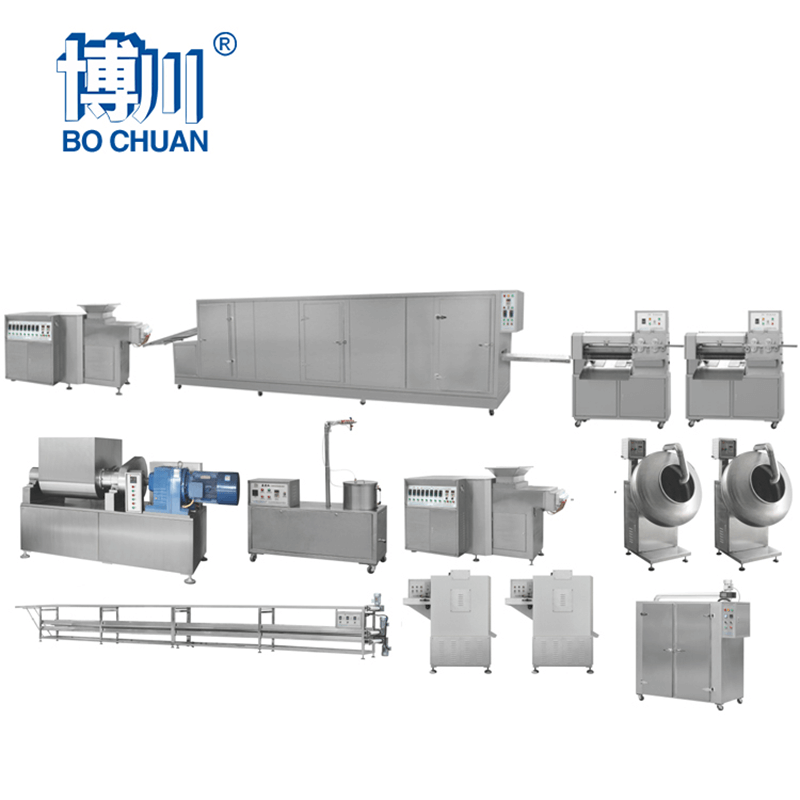
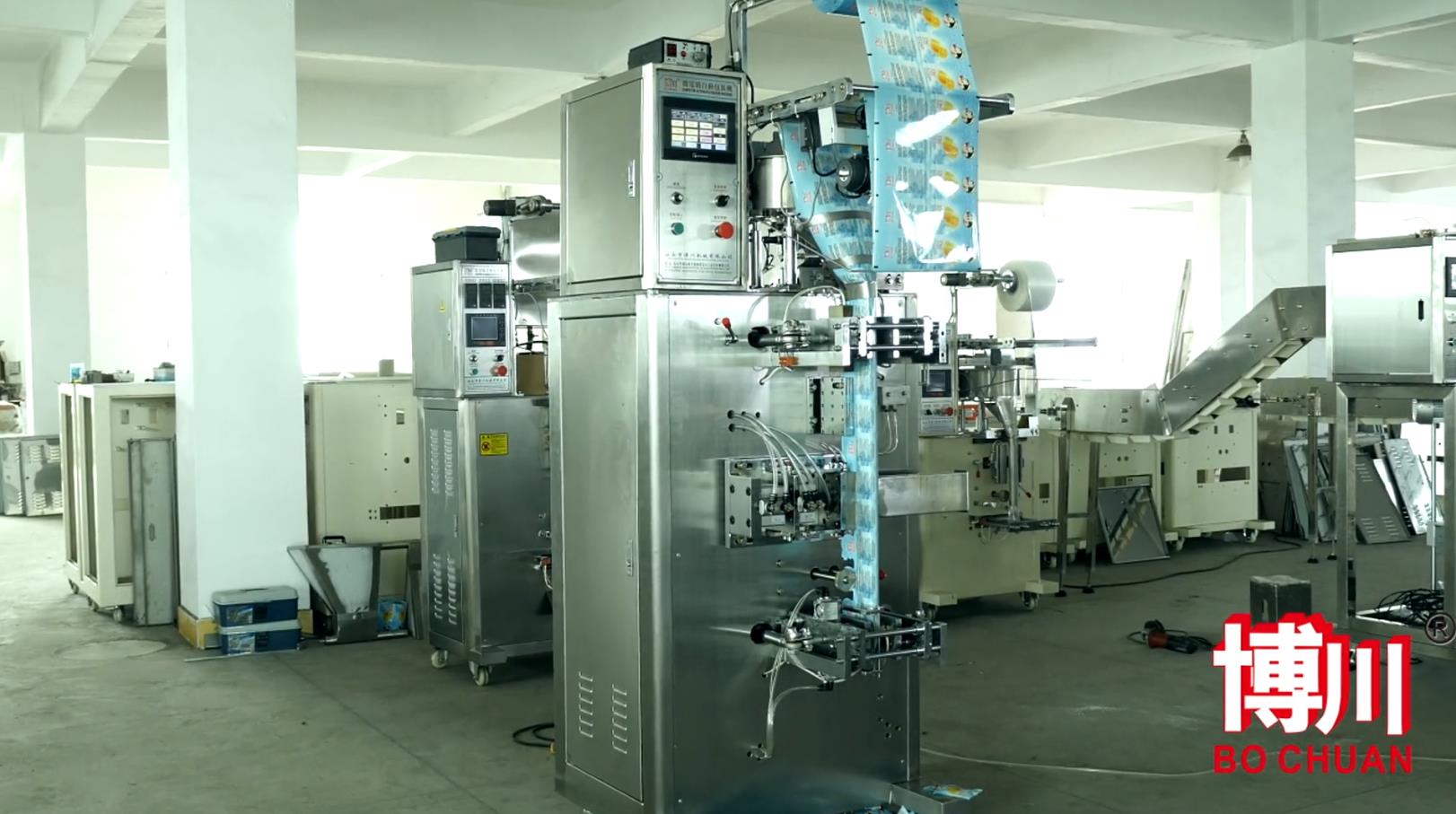
Candy Food Machinery: Production Lines of Bubble Gum, Chewing Gum, Chocolate, Soft Candy, Hard Candy and Tablet Candy; Packaging Machinery: Vertical Packaging Machine, Pillow Packaging Machine, Flat Blister Packaging Machine, Lapel Weighing Packaging Machine, Bag Weighing Packaging Machine. Due to the Limitation of the Production Workshop of the Customer Company, We Can Customize the Machine According to the Actual Situation of Each Customer, So That Customers Can Use the Machine to Produce Products within the Existing Space. of Course, for the Operation of the Machine, We Also Insist on Making Simple and Easy to Operate Machines, So That Customers Can Operate Easily Without Worrying About the Machine Delaying Production. Before the Machine is Shipped, Our Technicians Will Repeatedly Debug the Machine, Adjust the Machine to the Best State, and the Machine Can Enter the Working State Immediately After It Arrives at the Customer's Company With.
Deep Application Scenarios: From Traditional Sweets to Functional Confectionery
The application of a cotton candy maker machine and lollipop mass production line extends far beyond simple sugar treats. The global market is witnessing a massive surge in "functional confectionery"—candies that deliver vitamins, minerals, active pharmaceutical ingredients (APIs), or dietary supplements (such as CBD, melatonin, or probiotics).
Manufacturing functional lollipops introduces strict dosing requirements. The machinery must guarantee that each lollipop contains the exact specified dosage of the active ingredient. This requires ultra-precise liquid dosing pumps at the mixing stage and highly consistent mold-filling volumes. Furthermore, because many active ingredients are heat-sensitive, the production line must support low-temperature forming or rapid-cooling technologies to prevent the degradation of the vitamins or supplements.
Another emerging application is multi-texture lollipops. For example, a lollipop with a hard candy outer shell, a chewy soft candy core, and a bubble gum center. Producing these products requires co-extrusion technology, where three different confectionery masses are fed into a single forming die simultaneously. Our customized production lines are engineered to handle these complex rheological properties, allowing manufacturers to innovate without limitations.
TRADE RELATIONS
Our Company Has Established Good Trade Relations with Many Countries in the World, Including the United States, Russia, India, the United Kingdom, Pakistan, Etc., to Help Customers Develop New Products, Reduce Labor, Improve Automated Production, Increase Production, and Bring Economic Benefits to Customers.
Complete Candy Production & Packaging Equipment
Discover our full spectrum of machinery designed to optimize efficiency from processing to final retail packaging.