0%

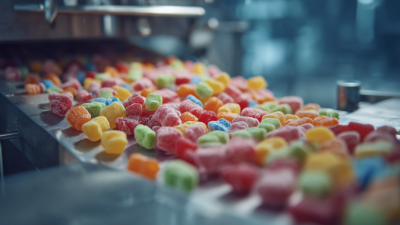
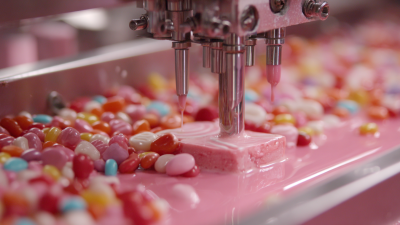
In the highly competitive world of sweets and confections, picking the right Candy Manufacturing Machine isn't just a technical choice—it's a huge deal for any business that's serious about improving how efficiently they produce and the quality they deliver. I mean, John Smith from the Confectionery Machinery Association really hit the nail on the head when he said, 'Investing in the right machinery can seriously boost your production capacity and cut down operational costs.' That just goes to show how crucial it is to match your equipment with your specific needs because, at the end of the day, it can make or break your success.

When you're on the hunt for the perfect Candy Manufacture Machine, there’s a lot to keep in mind—things like how much you plan to produce, what kinds of candies you’re making, and how automated you want your process to be. Thanks to some pretty exciting tech advances, there’s now a whole bunch of machines out there tailored to different needs. The key is making a smart, informed choice—this way, you’re not just meeting your current demands, but also setting yourself up for future growth.

In this guide, I’ll walk you through the main points to consider when picking out a Candy Manufacture Machine. Whether you’re just starting out or you’re already running a solid business, understanding what to look for in your equipment can really help streamline your production and even expand your reach into new markets.

How to Choose the Right Candy Manufacture Machine for Your Business Needs

Understanding Your Business Requirements for Candy Manufacturing Machines

How to Choose the Right Candy Manufacture Machine for Your Business Needs

When selecting a candy manufacturing machine, understanding your business requirements is crucial. First, evaluate the type and scale of the candy you intend to produce. Different machines cater to specific types of confections, whether hard candies, gummies, or chocolates. Small businesses might need equipment that allows for more flexibility and varied production, while larger enterprises may require high-capacity machines that can operate continuously for mass production. Recognizing the specific needs of your product line will help in narrowing down your options and ensuring that the machinery will align with your production goals.

Another vital consideration is the level of automation you want in your manufacturing process. Fully automated machines can significantly increase output and reduce labor costs, but they may require a higher initial investment and more complex maintenance. Conversely, semi-automated or manual machines can be more cost-effective for startups or smaller operations that don’t yet have the demand for high-volume production. Additionally, consider your budget, available space, and the integration of the machinery with your existing production processes. Assessing these factors will guide you to the right machinery that meets your business model and enhances your operational efficiency.

Types of Candy Manufacturing Machines Available in the Market

How to Choose the Right Candy Manufacture Machine for Your Business Needs

When selecting a candy manufacturing machine, it is essential to understand the various types available in the market to effectively meet your business needs. The main categories include batch processors, continuous processors, and wrapping machines. Batch processors are ideal for smaller production runs and are capable of creating a variety of candies, from gummies to hard candies. According to a report by MarketsandMarkets, the global candy manufacturing equipment market is expected to reach $12.05 billion by 2024, indicating a growing demand for versatile batch tools.

Continuous processors, on the other hand, are built for larger operations with high production volumes. These machines ensure consistent quality and efficiency, often utilizing advanced technologies to enhance product uniformity. The same report highlights that automated continuous equipment is particularly popular due to its ability to minimize labor costs and increase throughput. Lastly, wrapping machines play a critical role in the final stages of production, with advancements in packaging technology that improve shelf life and presentation.

Understanding these machine types and their respective features is crucial for candy manufacturers looking to optimize their production lines. By considering factors such as the scale of production, the variety of products to be made, and automation capabilities, businesses can make informed decisions that align with their operational goals. As the candy industry continues to evolve, investing in the right machinery is vital for sustaining competitive advantage.

Key Features to Consider When Selecting a Candy Machine

When selecting a candy manufacturing machine, it's essential to consider several key features that directly impact the efficiency and quality of your production process. First and foremost, the machine's capacity and production speed should align with your business needs. Evaluate your anticipated output, as well as the types of candies you plan to produce. A machine with adjustable speed settings can provide flexibility, allowing you to cater to varying production demands and ensure you can scale operations as your business grows.

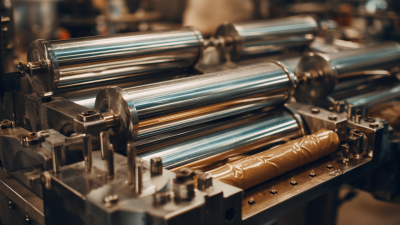
Another critical aspect is the machine's ease of use and maintenance. User-friendly controls and automated features can significantly reduce operational complexity, enabling employees to adapt quickly. Furthermore, regular maintenance is crucial for longevity, so consider machines designed for easy cleaning and accessible parts. Additionally, the type of materials used in the machine’s construction impacts its durability and hygiene standards. Stainless steel, for instance, is often preferred for its resistance to corrosion and ease of sanitation, ensuring your candy production meets health regulations effectively.

Assessing Production Capacity and Efficiency Needs

When selecting a candy manufacturing machine, understanding your production capacity and efficiency requirements is crucial for aligning equipment with your business objectives. According to industry reports, the global candy production market is expected to reach approximately $280 billion by 2025, driven by increasing consumer demand for innovative and personalized confections. This surge underscores the importance of choosing machinery that can scale with your growth, as well as accommodate varying production volumes based on seasonal trends.

Efficiency plays a pivotal role in minimizing operational costs and maximizing output. Research indicates that modern candy manufacturing machines can improve production rates by up to 30% compared to traditional methods, thanks to advancements in automation and technology. Businesses should evaluate their anticipated production loads—typically ranging from 200 kg to over 5,000 kg per hour—when choosing machinery. Additionally, machines that offer flexibility, such as the ability to switch between different candy types with minimal downtime, can significantly enhance production efficiency, allowing manufacturers to respond quickly to market trends without incurring excessive costs. By conducting a thorough assessment of these factors, candy producers can ensure that their chosen equipment aligns with both current demands and future growth potential.

Choosing the Right Candy Manufacture Machine

This chart illustrates the production capacity of candy manufacturing machines at different speed levels: high, medium, and low. As seen, high-speed machines can produce significantly more units per hour compared to their counterparts.

Evaluating Budget and Cost Considerations for Purchase

When evaluating budget and cost considerations for purchasing a candy manufacturing machine, it is crucial to understand both initial expenses and ongoing operational costs. According to industry reports, a mid-range candy manufacturing machine can cost between $50,000 to $200,000, depending on its capabilities and production volume. This means businesses need to align their financial plans with the expected return on investment (ROI). Conducting a thorough cost-benefit analysis will help in understanding not just the purchase price, but also factors such as maintenance, energy consumption, and labor costs associated with running the machine.

Tips: Always factor in ancillary costs such as shipping, installation, and training for personnel, which can add 15-20% to the initial purchase price. It’s also wise to consider financing options or leasing arrangements that might spread out financial commitments over time, improving cash flow.

Moreover, understanding the market demand for the specific types of candy your machine will produce can further influence budget considerations. For example, the global confectionery market is expected to grow at a CAGR of 3.7% from 2022 to 2027, highlighting an increasing demand for innovative and diverse candy products. This growth indicates that investing in a machine that offers versatile production capabilities can be beneficial.

Tips: If you plan to expand your product line, choose a machine that is adaptable or has upgrade options to avoid significant re-investment in the near future. Leveraging predictive maintenance technologies can also minimize downtime and repair costs, significantly impacting your overall operational budget.

Choosing Between New vs. Used Candy Manufacturing Equipment

When selecting candy manufacturing equipment, businesses often face the dilemma of choosing between new and used machinery. According to a 2022 report from the Food Processing Suppliers Association, the global candy equipment market is projected to grow at a CAGR of 4.3% through 2027. This highlights the significance of investing in quality machinery, whether new or used. New equipment typically offers the latest technology, enhanced efficiency, and warranties. However, it comes at a higher upfront cost, which can strain the budget of a smaller business or a startup.

On the other hand, used equipment presents a cost-effective alternative that can significantly lower capital expenditure. A study by IBISWorld indicates that the used equipment market has expanded due to rising demand for economically viable manufacturing solutions. However, when considering used machinery, it's essential to thoroughly assess its condition and operational capabilities to avoid future repairs that can negate initial savings.

Tips: Always request maintenance records from the seller to gauge the machine's history. Additionally, consider the potential need for upgrades to meet modern standards, which could affect long-term costs. Weighing these factors can help businesses make informed decisions tailored to their financial and operational needs.

Maintenance and Support Options for Candy Manufacturing Machines

When selecting a candy manufacturing machine, the importance of maintenance and support options cannot be overstated. Regular maintenance is crucial to ensure that the machinery operates efficiently and produces high-quality products. Most manufacturers offer maintenance packages that include routine inspections, part replacements, and repairs. It's advisable to inquire about these packages during the purchasing process, as they can save businesses time and money in the long run. Ensuring that the machine has easy accessibility for service and that replacement parts are readily available can also help reduce downtime, which is critical in a fast-paced production environment.

In addition to routine maintenance, support options are a vital consideration. A reliable support system means that assistance is available whenever issues arise, which is essential for keeping production on track. Look for manufacturers that provide comprehensive support, including remote troubleshooting and online resources, which can expedite problem resolution. It's also beneficial to ask about the training provided for operating and maintaining the machines, as proper training can significantly enhance the operational efficiency and lifespan of the equipment. By prioritizing maintenance and support options, businesses can ensure that their candy manufacturing processes run smoothly and effectively, leading to better product consistency and higher customer satisfaction.

Exploring the Evolution of Pillow Packing Machines: Key Trends and Data Insights in Biscuit, Bread, and Candy Packaging Industries

The biscuit, bread, and candy packaging industries have witnessed significant advances in packaging technology, particularly with the evolution of pillow packing machines. This trend aligns with the growing demand for efficient, flexible, and cost-effective packaging solutions. According to a recent market analysis, the global packaging machinery market is projected to reach USD 45 billion by 2026, underscoring the critical role that innovative packing machines play in enhancing product delivery and shelf life.

Pillow packing machines like the BC-250B/D to BC-600D models are designed to accommodate a range of products with varying bag lengths and film widths, offering versatility crucial for businesses in the food sector. For example, these machines effectively handle film widths ranging from a maximum of 250 mm to 600 mm and bag lengths adjustable between 65 mm to 330 mm, catering to diverse packaging needs. This capability not only improves operational efficiency but also maximizes resource utilization, a pivotal factor as companies strive to minimize material waste in response to environmental concerns.

As consumer preferences shift towards convenience and quality, the ability of pillow packing machines to maintain product integrity while being adaptable to production changes is invaluable. Industry data indicates that companies investing in advanced packaging technologies can expect an increase in market share, highlighting the importance of keeping pace with machinery innovations that meet evolving consumer demands.

FAQS

: Why is it important to assess production capacity when selecting a candy manufacturing machine?

: Assessing production capacity is crucial for aligning equipment with business objectives and ensuring the machinery can scale with growth and accommodate varying production volumes based on seasonal trends.

How can modern candy manufacturing machines improve production efficiency?

Modern machines can improve production rates by up to 30% compared to traditional methods due to advancements in automation and technology, which helps minimize operational costs and maximize output.

What production load range should businesses consider when choosing equipment?

Businesses should evaluate anticipated production loads typically ranging from 200 kg to over 5,000 kg per hour to select the appropriate machinery for their needs.

What additional costs should be considered when budgeting for a candy manufacturing machine?

It is essential to factor in ancillary costs such as shipping, installation, training, maintenance, energy consumption, and labor, which can add 15-20% to the initial purchase price.

How can businesses determine the return on investment (ROI) for a candy manufacturing machine?

Conducting a thorough cost-benefit analysis that considers not just the purchase price but also ongoing operational costs will help businesses understand the potential ROI for the machine.

What trend in the confectionery market could influence machine selection?

The global confectionery market is expected to grow at a CAGR of 3.7% from 2022 to 2027, indicating a rising demand for innovative and diverse candy products, which can influence the type of machine businesses choose.

Why is flexibility an important feature in candy manufacturing machines?

Machines that offer flexibility, such as the ability to switch between different candy types with minimal downtime, can significantly enhance production efficiency and responsiveness to market trends.

What financing options should businesses consider when acquiring candy manufacturing machines?

Businesses may want to explore financing options or leasing arrangements that allow them to spread out financial commitments over time, which can improve cash flow.

How can predictive maintenance technologies benefit candy manufacturing?

Leveraging predictive maintenance technologies can minimize downtime and repair costs, thereby significantly impacting the overall operational budget and ensuring consistent production.

Conclusion

When selecting a Candy Manufacture Machine for your business, it's essential to start with a clear understanding of your specific production needs and requirements. Evaluate the various types of candy manufacturing machines available, considering key features such as automation, versatility, and ease of use. Assessing production capacity and efficiency is crucial to ensure that the selected machine can meet your output demands.

Additionally, carefully consider your budget, weighing the costs of new versus used equipment, to find a balance that suits your financial constraints. Finally, explore maintenance and support options to ensure the longevity and reliability of your candy manufacturing equipment, as ongoing support is vital for sustaining production capabilities over time. By systematically addressing these factors, you can make an informed decision that enhances your candy production operation.

Isabella

Isabella

Isabella is a dedicated marketing professional at Guangdong Bochuan Machinery Technology Co., Ltd., a company renowned for its expertise in researching, developing, manufacturing, and marketing a diverse range of candy machines and food packing machines. With a deep understanding of industry trends......
Previous Unveiling the Top Contenders: A Comparative Review of the Best Heat Sealing Machines in 2023