Picking the right sugar for your cotton candy machine really matters—trust me, it can make all the difference. The quality of your sugar isn’t just about taste; it also impacts the texture and how happy your customers are in the end. I read somewhere that over 70% of cotton candy vendors say that using good quality sugar is actually a key part of their success, which kind of says it all, right?
Dr. Mark Sweet, a well-known food scientist and industry guru, once said, ‘The right sugar blend can take your cotton candy game to a whole new level—almost like turning it into an art form.’ He points out, quite rightly, that not all sugars are created equal at all. The size of the grains and how pure the sugar is can really affect how well the machine runs and, more importantly, how your final product turns out.
Most vendors tend to go for regular granulated sugar, which is fine, but they often miss out on some specialty sugars that are actually made for cotton candy machines. Companies like Candy Floss Co., for example, offer blends that are just better for flavor and working smoothly with your machine. My advice? Try out different kinds of sugars to see what works best for you, but just make sure you’re not sacrificing your machine’s performance in the process—balance is key.

Factors to Consider When Selecting Sugar for Cotton Candy Machines

When selecting sugar for your cotton candy machine, several factors come into play. The type of sugar impacts both flavor and texture. Granulated sugar is the most common choice. It melts quickly and easily, providing the fluffy texture we all love. However, some prefer specialty sugars, such as flavored or colored varieties. These can enhance the experience, adding excitement.
One key factor to consider is the sugar's purity. Impurities can affect the melting process, leading to clumps or subpar candy. Ensure you're choosing high-quality sugar. Additionally, moisture content is crucial. Excess moisture can make sugar damp and difficult to spin. Always store sugar in a cool, dry place to preserve its quality.
Tips: Experimenting with different sugars can lead to unique results. Try blending regular sugar with a flavored option for a fun twist. Pay attention to the climate conditions. High humidity can ruin your candy. Monitoring these variables will help you create the perfect cotton candy for any occasion.
Mastering Sweet Creations: The Ultimate Guide to Lollipop and Hard Candy Making Machines
The candy-making industry has seen significant growth in recent years, with a surge in demand for lollipops and hard candies. According to a report by Market Research Future, the global candy market is expected to expand at a compound annual growth rate (CAGR) of 4.5% from 2020 to 2025. This growth is largely driven by the rising popularity of unique and innovative candy flavors, as well as the emergence of artisanal and customized confections. To capitalize on this trend, businesses must equip themselves with efficient production tools, such as advanced candy making machines that streamline the process of creating these beloved sweets.
Introducing our newest candy making machine, which is tailored specifically for lollipop and hard candy production. Designed for maximum efficiency and ease of use, this machine enables manufacturers to boost their candy output while maintaining the highest quality standards. With faster production cycles and minimized labor costs, companies can better meet the increasing consumer demand for these delectable treats. The ability to quickly adapt to market trends and produce various flavors and forms allows businesses to stay competitive in this rapidly evolving industry.
The sweet treat market is not just about sales; it's also about innovation. Recent data reveal that consumers are gravitating towards healthier options, leading to the emergence of sugar-free and natural ingredient candies. As the market continues to transform, the introduction of versatile candy machines that can accommodate these changing preferences becomes essential for manufacturers. Embracing this technology not only enhances production capabilities but also allows businesses to explore new product lines, further solidifying their position in this dynamic market.

FAQS
: Granulated sugar is most common. It melts quickly and creates a fluffy texture, ideal for cotton candy.
High-purity sugar melts evenly, preventing clumps and resulting in better texture. Impurities can ruin the candy.
High moisture can make sugar damp, hindering spinning. Store sugar in a cool, dry place to maintain quality.
Yes, flavored sugars can add excitement. Experimenting can lead to unique and enjoyable flavors for customers.
Fine sugars melt quicker, creating fluffier cotton candy. Avoid coarse sugars as they may lead to clumping.
Experiment with different sugars and observe their performance. Trial and error will help refine your process.
Humidity can ruin cotton candy. Monitor climate conditions and adjust sugar choices accordingly for the best results.
Absolutely, high-quality sugar ensures a light and airy texture. Lower quality may lead to disappointing outcomes.
Conclusion
Choosing the right sugar for cotton candy machines is crucial for achieving optimal results in texture, flavor, and overall appeal. Factors to consider include the type of sugar—such as granulated, confectioners', or specialty options—as well as the sugar's texture, which affects the quality of cotton candy produced. Understanding the impact of sugar flavoring can also enhance the variety and enjoyment of the final product.
Additionally, the temperature of the sugar during processing plays a vital role in the cotton candy machine's performance. It’s important to also be aware of the nutritional information related to cotton candy sugar, including calorie counts and ingredients. By carefully selecting the ideal sugar for cotton candy machines, operators can ensure a delicious and visually appealing treat that meets consumer expectations.
Related Posts
-

2025 Cotton Candy Machine Innovations: How the Right Sugar Choice Transforms Your Business Efficiency
-
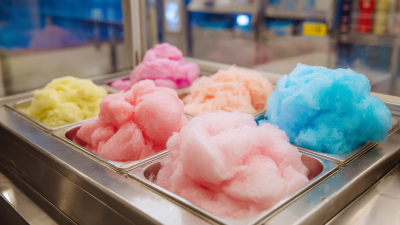
What is the Best Sugar for Cotton Candy Machines According to Industry Standards
-

2025 Top 5 Best Sugars for Cotton Candy Machine that Boost Flavor and Fluffiness
-

Industry Applications of Best Chocolate Bar Making Machine and Challenges in Production Efficiency
-

2025 Top Granular Packaging Machine Trends and Innovations for Your Business
-

Top Benefits of Granular Packaging Machines for Efficient Packaging Solutions
