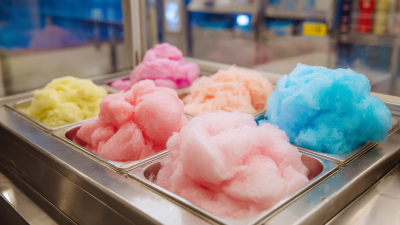
When you're trying to pick out the best sugar for your cotton candy machine, having some know-how really makes all the difference. Renowned candy expert Richard Sweetman puts it simply: "The right sugar completely changes the flavor and texture." Picking the right sugar can take your cotton candy from pretty good to absolutely unforgettable.
Now, for these machines, the sugar needs to be finely granulated. That way, it melts smoothly and gives you that nice, fluffy consistency we all love. A lot of people assume any sugar will do the trick, but that’s not really the case — not all sugars are created equal. For instance, organic or flavored sugars can add cool new tastes, but they might mean you need to tweak your technique a bit.
Choosing sugar might seem straightforward, but trust me, it’s more impactful than you think. Different sugars can lead to pretty noticeable differences in how your cotton candy turns out. Sometimes, just experimenting can surprise you with unique flavors or textures. At the end of the day, the type of sugar you pick could really be the key to making your cotton candy top-notch. So, taking the time to consider your options is definitely worth it if you’re serious about perfecting your sweet treat.

Factors to Consider When Choosing Sugar for Cotton Candy Machines
When selecting sugar for your cotton candy machine, it’s vital to consider several factors. The texture of the sugar plays a crucial role. Granulated sugar is standard, but superfine sugar can yield better results. It melts easily and creates a fluffier texture, enhancing the overall experience.
Flavor options are equally important. Traditional cotton candy is sweet, but flavored sugars can add excitement. Consider experimenting with fruity or even exotic flavors. However, sourcing high-quality flavored sugars may require some research. Not all flavors are created equal. Some may lack the intensity you desire.
Color can also influence your choice. Brightly colored sugars can attract attention. However, be mindful of artificial colors. They might not always be safe for consumption. It’s best to choose options with natural colorants. Always check ingredient lists for any potential allergens or additives.
Types of Sugar: Granulated vs. Confectioners for Cotton Candy
When it comes to making cotton candy, the choice of sugar plays a crucial role.
Two main types of sugar are commonly referenced: granulated sugar and confectioners' sugar.
Granulated sugar is coarse and ideal for traditional cotton candy.
Its structure allows for proper melting and spinning. On the other hand, confectioners’ sugar is finely powdered and contains cornstarch.
While it can create a fluffier texture, it may not always yield the best results in a cotton candy machine.
Using granulated sugar is usually the safer bet. It melts evenly and produces that familiar airy texture.
This sugar type offers a more authentic cotton candy experience. Some might argue confectioners' sugar adds a unique flavor.
However, the starch can alter the consistency, leading to clumping. Experimentation is key.
Discovering your preference and the machine’s limitations can lead to better outcomes.
Balancing the right type of sugar with the desired effect is essential in mastering the cotton candy-making process.
Importance of Sugar Purity: What Professionals Recommend
When selecting sugar for a cotton candy machine, purity is crucial. According to the International Sugar Organization, the ideal sugar for cotton candy should be at least 99.9% pure. This high purity level ensures optimal texture and flavor. Lower purity sugars can result in a gritty product and an unpleasant taste.
Experts recommend using fine granulated sugar. Its small particle size allows for even melting, producing fluffy cotton candy with a delightful mouthfeel. If sugar is clumpy or has impurities, it can clog the machine. Some professionals suggest testing different sugar sources to find the best quality.
Water content is another factor to consider. Sugars with higher moisture can lead to problems, such as a sticky product or machine failures. A report from the Food and Agriculture Organization indicates that moisture levels above 0.1% can affect performance. Always store sugar in a cool, dry place to maintain its quality. Proper storage can make a significant difference in your cotton candy production.
Impact of Color and Flavor Additives on Cotton Candy Quality
When selecting sugar for a cotton candy machine, the choice of color and flavor additives significantly impacts the final product's quality. Reports indicate that vibrant colors enhance visual appeal, enticing consumers. A study found that 70% of cotton candy sales increase when bold colors are used. The psychology of color plays a crucial role here. Bright pink, blue, and green colors evoke a sense of fun and nostalgia. These shades are often associated with childhood memories, making them more attractive to various age groups.
Flavor additives also play a significant role in customer satisfaction. Traditional flavors like strawberry or vanilla dominate the market. Nonetheless, unique flavors such as cotton candy grape or blue raspberry are gaining traction. A recent market analysis showed that products with innovative flavors saw a 30% rise in popularity. However, finding the right balance between intensity and sweetness can be challenging. Overly artificial tastes can deter some consumers.
Manufacturers face an ongoing challenge in achieving consistency. Variability in flavors and colors affects production quality. While bold colors attract buyers, some flavors may alter consumer perceptions of quality. Continuous testing and refinement are essential. Quality control measures can help ensure that the final product meets customer expectations. This attention to detail defines successful cotton candy production.
Impact of Color and Flavor Additives on Cotton Candy Quality
Moisture Content: How It Affects Sugar Performance in Machines
Moisture content is crucial when selecting sugar for a cotton candy machine. Sugar with high moisture levels can create clumping, affecting the machine's performance. A study by the Sugar Association reveals that ideal moisture content for cotton candy sugar should be below 0.05%. Excess moisture not only hampers the production process but can also alter the texture of the final product.
When sugar absorbs moisture from the air, it becomes less effective in spinning. A report from the USDA indicates that sugars with 2% moisture or more can significantly disrupt the cotton candy production. It leads to inconsistent results and longer preparation times. This variability has frustrated operators, as it impacts both efficiency and product quality.
Selecting the right type of sugar involves understanding these nuances. While many sugars may look the same, their moisture levels can differ greatly. It is important to store sugar in a cool, dry place. Using air-tight containers may also help maintain optimal moisture content. Recognizing these aspects ensures better performance from your cotton candy machine and high customer satisfaction.
Common Mistakes in Sugar Selection and How to Avoid Them
Choosing the right sugar for your cotton candy machine can significantly impact the final product. One common mistake is opting for regular granulated sugar. While it seems convenient, this can lead to clumping and inconsistent spins. Instead, specialized cotton candy sugar, often found in vibrant colors and flavors, is designed for optimal performance. According to a 2021 industry report, using the right sugar can improve yields and enhance flavor intensity by up to 30%.
Another pitfall is ignoring the humidity levels. Sugar absorbs moisture, which can affect spinning. For example, using sugar stored in a damp environment can create a sticky mess. It's advisable to check moisture levels before use. A reliable method is to keep sugar in an airtight container. This reduces unexpected results during production.
Tips: Always test small batches first. Monitor for texture and flavor. If something feels off, rethink your sugar choice. Keep notes for future reference. Understanding your machine's requirements can help ensure success. A bit of experimentation may lead to surprising improvements in your cotton candy.
Industry Standards: Recommended Sugar Brands for Cotton Candy Machines
When choosing the best sugar for your cotton candy machine, consider the type of sugar brands recommended by industry experts. The quality of sugar plays a vital role in the texture and taste of your cotton candy. Look for sugars that dissolve easily and produce fluffy strands. Not all sugars are created equal, and some may clump or burn more easily than others.
Many professionals in the industry suggest using plain granulated sugar. It often produces the best results. Some may also recommend sugars with added flavors or colors. However, these can be tricky. They might affect the melting process, leading to inconsistencies. Always test your sugar choice to ensure you achieve that perfect spin.
Using high-quality sugar doesn’t guarantee perfect cotton candy. You might encounter issues like uneven fluffiness or burnt flavors. Regular testing of your machine with different sugars can help you identify the ideal type. Document your findings to refine your process. Learning from difficulties in sugar selection can lead to better outcomes in the long run.
How to Choose the Best Sugar for Cotton Candy Machine?
| Sugar Type |
Granulation Size |
Flavor Options |
Color Options |
Recommended Use |
| Regular Granulated Sugar |
Medium |
Vanilla, Cotton Candy |
White |
General Use |
| Flavored Sugar |
Fine |
Strawberry, Blue Raspberry |
Varied |
Special Events |
| Organic Sugar |
Medium |
Natural Flavors |
Brown |
Health-Conscious Audience |
| Colored Sugar |
Medium |
None |
Multiple Colors |
Festive Occasions |
FAQS
: Granulated sugar is ideal for traditional cotton candy. Confectioners' sugar can work but may not yield the best results.
Granulated sugar melts evenly and creates a more authentic, airy texture compared to confectioners' sugar.
Using regular granulated sugar can lead to clumping. Instead, consider specialized cotton candy sugar for better results.
Sugar absorbs moisture and can become sticky in humid conditions. Always store sugar in an airtight container.
Rethink your sugar choice. Experiment with different types and monitor the texture to find what works best.
Yes, flavored sugars can impact melting. They may cause inconsistencies, so testing is necessary to ensure good results.
Regularly test your machine with various sugars. Document your findings to improve your cotton candy-making skills.
Absolutely. Experimentation is key. Learning from trial and error can lead to surprising improvements in quality.
Issues like uneven fluffiness or burning can occur. Regular testing and adjustments can help refine the process.
High-quality sugar helps, but it doesn't guarantee perfect results. Monitor each batch closely for best outcomes.
Conclusion
Choosing the right sugar for cotton candy machines is crucial for achieving the best results. Key factors to consider include the type of sugar—granulated sugar is commonly preferred over confectioners due to its ability to create fluffy candy. Additionally, sugar purity plays a significant role; professionals recommend using high-purity sugars to ensure optimal performance and flavor.
Moreover, the impact of color and flavor additives on cotton candy quality cannot be overlooked, as these elements can enhance the visual appeal and taste of the final product. It's also essential to consider moisture content, as high moisture levels can affect sugar performance in machines. By avoiding common mistakes in sugar selection and adhering to industry standards, operators can ensure consistent quality in their cotton candy offerings, making informed choices about the sugar for cotton candy machines they use.