When you're diving into the world of candy making, choosing the right Candy Manufacture Machine can feel pretty overwhelming, right? There are so many options out there, each with their own set of features. Some machines are great for making those hard candies you love, while others are better suited for softer, chewier treats. It really depends on what you're aiming for.
If you're thinking about investing in one, it’s good to keep in mind the size of your operation. A small bakery or startup might do just fine with a compact machine, while a bigger business probably needs something more advanced and high-capacity. Honestly, understanding your own needs—like how fast you want to produce or how precise your temperature controls need to be—can make a big difference.
But hey, it’s not all about the specs on paper. You should also think about the support from the manufacturer. Some brands are super helpful and offer good after-sales service, while others might leave you hanging once you make the purchase. Looking up customer reviews can really help spot any common issues or red flags.
All in all, choosing the right Candy Manufacture Machine is a huge factor in boosting your productivity, but it’s worth taking the time to weigh all these things carefully. Do your homework, and don’t rush the decision—that way, you’ll pick something that truly fits your needs and helps your candy game level up.
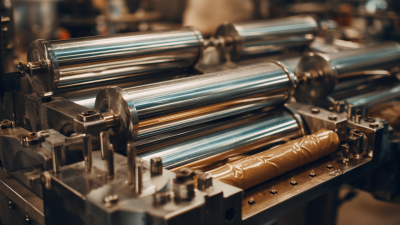
In the candy manufacturing industry, various machines serve unique purposes. Understanding these machines can significantly affect production efficiency. Common types include batch cookers, sugar melting machines, and depositors. Each plays a vital role in candy creation and has specific features worth noting.
Batch cookers are essential for heating mixtures. They can produce large quantities of candy in less time. Reports show that energy-efficient models can reduce energy use by up to 30%.
Sugar melting machines are crucial for ensuring consistent texture. They effectively melt sugar without burning, maintaining flavor integrity. The market has seen a rise in demand for these machines, driven by consumer preference for quality products.
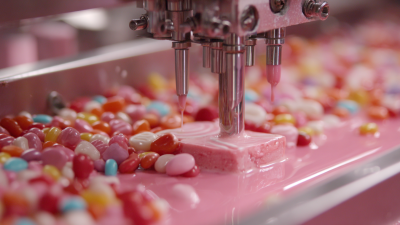
Depositors are another significant category. They shape and portion various candy types. They offer precision in filling molds, contributing to product uniformity. However, not all machines deliver the same level of accuracy, and inconsistent pouring causes quality issues. It's essential to select machines with adjustable settings to adapt to different recipes. The industry also faces challenges like maintenance and operational costs, which can affect profitability.
When selecting a candy manufacture machine, key features are crucial. Efficiency is essential. Machines with higher output rates reduce production time significantly. According to industry reports, efficient machines can improve production speed by up to 30%. This is invaluable for scaling operations.
Another critical feature is flexibility. A machine should produce various candy types. The ability to switch between hard candy, gummies, or chocolate can enhance product offerings. Research indicates that versatile machines can adapt to market trends, leading to increased profitability. Having multiple molds and settings is beneficial for manufacturers.
Monitoring technology is increasingly important. Machines equipped with real-time analytics can help track production metrics. This feature ensures quality control and timely adjustments. Reports show that companies using such technology can reduce waste by 15%. Investment in machines with smart functions can lead to better resource management, but it requires continuous evaluation to maximize benefits.
Automated candy production equipment offers numerous advantages. Efficiency is one key benefit. These machines can produce large quantities of candy in a shorter time. This saves labor costs and increases output. For small businesses, the time saved can be crucial. However, relying heavily on machines may reduce the artisanal touch. Finding a balance is essential.
Consistency in quality is another positive aspect. Automated systems ensure that each candy piece is uniform. This reliability can enhance customer trust. But, some might argue that too much automation can lead to monotonous flavors. Innovation is necessary. Adding unique recipes or ingredients can elevate standard offerings.
Maintenance is an area that requires attention. Regular checks are needed to keep machines running smoothly. Downtime can affect production schedules. Moreover, not all workers may be trained for technical issues. This could lead to delays in resolving problems. Overall, automated equipment can streamline candy production, but careful management is vital.
This bar chart illustrates the production capacity (in kg per hour) of different types of automated candy production equipment. It highlights how each machine type contributes to overall efficiency in candy manufacturing.
The performance of candy manufacture machines hinges on multiple factors. The right combination of speed, temperature control, and ingredient mixing is crucial. According to industry reports, machines that maintain consistent temperatures can improve candy texture by up to 15%. This is vital for products like gummies and hard candies, where precision matters.
Efficiency is also influenced by the machine's design. A well-engineered machine can reduce waste during production. Research indicates that optimizing the mixing process can decrease ingredient waste by around 10%. Smaller batches may lead to inconsistencies, which can impact product quality.
Many manufacturers struggle with these variables. While high-capacity machines seem appealing, they can be inefficient if not properly managed. There is a fine balance between speed and quality. Producers must evaluate how their machinery aligns with their production goals. Investing in the right technology can yield significant benefits, but it requires careful consideration of these factors.
When it comes to candy machines, regular maintenance is key. Many users often overlook simple cleaning routines. Dust and sugar residues can cause unexpected issues. Ignoring this can lead to costly repairs.
To extend the life of your candy machine, make cleaning a priority. Wipe surfaces daily. Check the hoppers for any blockages. A small brush can help clear out stuck sugar. This routine should take only a few minutes.
Another important tip is to perform regular inspections. Look for any worn-out parts and consider replacing them before they break. Also, lubricate moving parts as advised in your user manual. Keep an eye on the machine’s performance. Any unusual sounds should not be ignored. They could signal a bigger problem. Taking these steps can prevent unexpected downtime and ensure smooth operation.
When considering the cost of candy manufacturing equipment, it's essential to understand various factors. The initial investment can range from $20,000 to over $100,000. This wide range depends on production capacity, automation level, and features included. Smaller operations may find entry-level machines suitable, often priced between $20,000 and $50,000. However, larger manufacturers typically opt for advanced systems, which can exponentially increase costs.
Maintenance and operational costs also need attention. According to industry reports, maintenance can account for 10-15% of the total equipment cost annually. Regular maintenance ensures efficiency and longevity. Energy consumption is another significant factor. It's estimated that energy costs can contribute to 5-10% of overall production expenses. Choosing energy-efficient models translates into long-term savings.
The complexity of the production process impacts costs too. Multi-functional machines can streamline production, but they generally come with higher price tags. Investing in training for staff also adds to initial costs. Yet, skilled operators can enhance productivity. Balancing these costs requires careful consideration.
When it comes to candy manufacturing machines, safety standards are crucial. These machines must comply with specific regulations to ensure worker safety and product quality. Manufacturers should prioritize machines that are easy to clean and maintain. Regular maintenance can prevent malfunctions that might lead to hazardous situations.
Understanding safety features is vital. Many machines come with emergency stop buttons and safety guards. These features protect operators from unexpected incidents. However, not every machine includes them. It’s essential to choose wisely, as overlooking these details can have serious consequences.
Compliance with local and international regulations enhances product credibility. Proper labeling and documentation are important. Training operators on safety protocols is often neglected but critical. Regular training refreshes knowledge and sharpens awareness. It helps prevent accidents that can occur due to negligence or misunderstanding. Investing in safety measures and training pays off in the long run.
: The product aims to improve user experience through innovative features and design.
Follow the provided instructions closely. Take your time to understand each step.
Generally, users should be over a certain age. Check specific guidance for details.
Troubleshoot basic problems first. Don't hesitate to reach out for further assistance.
Yes, but consider environmental factors. Extreme conditions may affect performance.
A limited warranty is usually offered. Read the terms to understand its coverage.
Regular cleaning is important. Store it properly to ensure longevity.
Additional accessories can enhance usability. However, they are often sold separately.
Review the return policy. Some conditions may apply for refunds or exchanges.
Subscribe to newsletters or follow online channels. Regular updates can benefit users.
The article titled "Candy Manufacture Machine Best Options and Features Explained" provides a comprehensive overview of the various types of candy manufacture machines available in the market. It delves into the key features that buyers should consider, such as production capacity, efficiency, and automation capabilities. Additionally, the article discusses the numerous benefits of using automated candy production equipment, including increased consistency and reduced labor costs.
Moreover, factors affecting the performance and efficiency of candy machines are explored, highlighting the importance of proper maintenance to extend their lifespan. The article also outlines cost considerations when purchasing candy manufacturing equipment and emphasizes safety standards and regulations that must be adhered to in the industry. Overall, this summary serves as a valuable guide for anyone looking to invest in a candy manufacture machine, ensuring informed decisions that enhance production quality and safety.