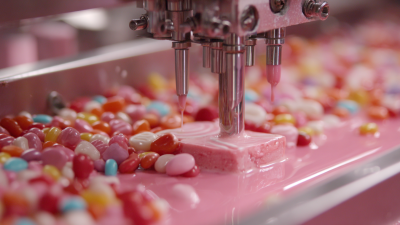
In the world of sweets and treats, getting the hang of candy making is a pretty big deal—whether you're just doing it as a fun hobby at home or actually running a business. I mean, Daniel Sweetman from Candy Masters Inc. really hits the mark when he says, “A Candy Maker Machine can turn your sweet dreams into a profitable reality.” It’s such a relatable point because, honestly, everyone wants their confections to look good and taste amazing, right?
Using a Candy Maker Machine? It can seriously level up your candy game. You get more precision, more options—think everything from your classic chocolates to those quirky little gummies that make kids smile. But, fair warning, not all machines are perfect. Some people struggle with getting the right temperature or following recipes exactly. Yeah, it can be a bit frustrating at first, but hey, that’s all part of the learning curve. The more you troubleshoot, the better you get—and honestly, it makes your candies even tastier!
If you’re thinking about starting a candy biz, picking the right machine is kinda a big deal. Doing your homework and trying out a few different options can really pay off. And don’t forget to spend some time figuring out your machine settings—that’ll save you from ending up with inconsistent batches. Remember, candy making is full of sweet surprises and some missteps here and there. Embrace them! They’re just steps on the road to becoming a real pro and creating treats people love.

Candy Maker Machine Overview: Types and Features for Home and Business
When considering candy maker machines for home or business, understanding types and features is essential. There are several types available, including cotton candy machines, chocolate tempering machines, and hard candy cookers. Each serves a different purpose and caters to various production scales. For home use, smaller models are compact and user-friendly, making them suitable for occasional candy-making. In contrast, commercial machines boast larger capacities, often exceeding 50 pounds of candy production daily.
Features vary widely across different machines. For instance, some machines come with digital temperature controls for precise candy-making. A recent report from the National Confectioners Association indicates that the candy industry is projected to grow at a rate of 3% annually, highlighting the demand for quality machines. However, with such growth comes competition. Understanding the machine's material, durability, and ease of cleaning is crucial. Many users overlook maintenance requirements, which can lead to lower production quality over time.
Investments in higher-end machines often bring efficiency but may pose financial risks. Businesses must balance costs with potential profits. It's vital to assess the skills of the staff operating these machines, as experience level impacts output and product quality. Many small business owners find initial challenges in mastering the process, revealing a need for ongoing training and support.
Candy Maker Machine Production Analysis
This chart illustrates the production capacity of various types of candy maker machines suitable for home and business use. The data represents the average production in kilograms per hour.
Essential Factors in Choosing a Candy Maker Machine for Your Needs
When selecting a candy maker machine, versatility is vital. A good machine should handle various types of candy, from hard candies to soft caramels. According to industry statistics, about 70% of candy businesses prefer machines with multiple functions. This adaptability allows for creativity in flavor and texture, keeping customers engaged.
Another key factor is the machine's capacity. Small-scale operations might need a machine that produces 10 to 20 pounds of candy per batch. Conversely, larger businesses often require units that can produce over 100 pounds. Balancing the production capacity with your actual demand is crucial. A machine that’s too large may lead to wasted resources. Data shows that inefficient machines can increase operational costs by up to 15%.
Maintenance and reliability also matter greatly. Regular upkeep can extend the machine's lifespan. However, many users report inadequate manuals or support, which can lead to poor performance. Investing in a machine with solid reviews from experienced users can mitigate these risks. Remember, a reliable candy machine isn't just about initial costs; it's about the long-term value it brings to your production line.
Understanding Candy Production Capacities: Small-Scale vs. Large-Scale
Understanding candy production capacities is crucial for anyone considering a candy-making venture.
Small-scale production often involves simple machines, great for individual use or local markets. These machines can produce small batches, allowing for creativity and experimentation.
Makers can adjust flavors, shapes, and textures based on immediate feedback. However, the limited output may hinder business growth.
In contrast, large-scale production requires more sophisticated machinery. These machines automate processes, ensuring consistency and speed.
Entrepreneurs can meet higher demands but often face complexities. Issues such as machine maintenance and quality control arise frequently.
Not all machines are user-friendly, and the learning curve can be steep.
Small and large-scale operations each pose unique challenges. Small-scale producers risk burnout from manual tasks.
Large-scale operators must invest time in understanding machinery. Finding the right balance between manageable production and demand is vital for sustainability.
Reflecting on experiences can lead to improvements, whether in recipe development or operational efficiency.
Best Practices for Operating Candy Maker Machines Efficiently
Operating a candy maker machine requires both skill and knowledge. Start by understanding your machine's capabilities. According to industry reports, over 70% of home-based candy businesses fail due to operational inefficiencies. Familiarize yourself with recommended temperatures and settings. Precision impacts taste and texture. A single degree off can lead to unsatisfactory results.
Time management is crucial. Each batch takes a specific amount of time. However, many operators underestimate this. A report indicated that poor timing choices can lead to a 30% decrease in production output. Create a schedule and stick to it. Use timers to avoid distractions. This ensures consistent quality and boosts productivity.
Monitoring ingredient quality is essential. Fresh ingredients result in better flavors. The National Confectioners Association suggests that 60% of consumers prefer products made with natural ingredients. Keep a detailed inventory to reduce waste. Tracking your supplies can highlight trends, such as popular flavors. These insights can guide future production decisions. However, neglecting inventory can cause shortages and missed opportunities.
Candy Maker Machine Tips for Home Use and Business Success
| Tip |
Description |
Benefits |
| Invest in Quality Equipment |
Choose durable machines that suit your production needs. |
Increases efficiency and reduces maintenance costs. |
| Regular Cleaning |
Clean your machines after each use to maintain hygiene. |
Ensures product quality and compliance with health standards. |
| Proper Training |
Train staff on machine operation and safety protocols. |
Reduces the risk of accidents and improves production efficiency. |
| Calibrate Equipment Regularly |
Ensure machines are calibrated for optimal performance. |
Increases product consistency and reduces waste. |
| Experiment with Recipes |
Test various candy recipes to find unique offerings. |
Attracts a wider customer base and boosts sales. |
| Monitor Temperature and Humidity |
Keep stable temperature and humidity levels during production. |
Improves product quality and shelf-life. |
| Track Inventory |
Maintain a log of ingredients and finished products. |
Avoids shortages and reduces waste costs. |
| Focus on Marketing |
Utilize social media and local events to promote products. |
Increases visibility and attracts new customers. |
Common Challenges in Candy Production and How to Overcome Them
Candy production can be challenging, especially for newcomers. One common issue is
temperature control. Too hot or too cool can ruin batches, leading to wasted ingredients. Investing in reliable equipment can help, but it’s essential to monitor conditions closely. Keeping a thermometer handy ensures consistency and quality in every piece of candy.
Another challenge is ingredient sourcing. High-quality ingredients are vital for great candy. It’s difficult to find suppliers who meet both cost and quality standards. This can result in inconsistent flavor and texture. It’s wise to establish relationships with trusted suppliers and consider local options for freshness. Experimenting with different ingredients may also lead to unique flavors that set your products apart.
Lastly, production space might pose issues. Many home setups lack sufficient space or equipment, leading to cramped conditions.
Streamlining workspaces can boost efficiency. Organizing tools and ingredients can save time and reduce mistakes. Reflecting on your workspace regularly can reveal areas for improvement. This attention to detail makes a big difference in production quality.
Market Trends in the Candy Industry: Data-Driven Insights for Success
The candy industry is evolving rapidly. According to recent market research, the global candy market is projected to reach $230 billion by 2023, growing at a compound annual growth rate (CAGR) of 4.5%. This growth indicates a strong consumer appetite for unique and high-quality confections. Healthier options, like sugar-free and organic candies, are gaining traction, accounting for 15% of market sales in recent studies.
Consumer trends also show a rising preference for artisanal and locally produced candies. A survey revealed that 70% of consumers are more likely to purchase candies from small, independent makers. This shift highlights an opportunity for home-based candy makers to connect with their communities. However, producing high-demand products can be challenging. Many small businesses struggle to keep up with production scales while maintaining quality.
Furthermore, digital marketing plays a critical role. Over 60% of candy sales now occur online, making it essential for home candy makers to establish an online presence. Social media platforms are effective tools for building brand awareness. Many candy makers report positive engagement through creative posts and appealing visuals. Reflecting on these insights can steer a business toward success, but it also requires constant adaptation to remain relevant in this competitive landscape.
Customer Preferences: Tailoring Candy Products to Boost Sales and Satisfaction
Customer preferences play a vital role in the candy industry. Recent surveys show that 63% of consumers prefer unique flavors and ethical sourcing. This means candy makers must adapt quickly. Offering organic or locally sourced ingredients can resonate with buyers. Experimenting with flavors, such as chili chocolate or lavender-infused sweets, can create a buzz. Engaging customers through social media can provide insights into what they crave.
Moreover, packaging matters significantly. Reports indicate that 72% of consumers are influenced by attractive packaging. Clear labeling and eco-friendly materials can enhance brand image. Customization options, like personalized messages on candies, also boost customer satisfaction. However, not all candy businesses capitalize on this. A focus group revealed that many entrepreneurs overlook these factors when developing their products. They stick to traditional designs, missing out on potential sales.
Ultimately, understanding and adapting to customer preferences can foster business growth. The candy market is evolving, and those who stay informed will thrive. Keeping track of trends through industry reports is essential. Collecting feedback helps refine products and enhance customer loyalty. Ignoring these aspects could lead to missed opportunities and stagnation in sales.
Conclusion
The article provides a comprehensive overview of the Candy Maker Machine, outlining its various types and features suited for both home and business use. It emphasizes essential factors to consider when selecting a candy maker, catering to unique production needs, whether for small-scale home projects or larger commercial operations.
To maximize efficiency, the article highlights best practices in operating these machines and addresses common challenges faced in candy production, offering practical solutions. Additionally, it explores current market trends and data-driven insights essential for success in the candy industry, while underscoring the importance of understanding customer preferences to tailor products that enhance sales and satisfaction. Overall, the Candy Maker Machine serves as a key tool for both aspiring candy makers and established businesses seeking to thrive in a competitive market.