0%

In today’s super competitive market, choosing the right Candy Production Line is such a big deal if you want your business to thrive. Honestly, a lot of companies struggle to find a solution that fits their specific needs without breaking the bank or ending up with something overly complicated. Brands like SweetTech and Confectionery Solutions are pretty popular—they offer different machines, each with its own set of features. But, you know, every option comes with its pros and cons, so it’s really about weighing what matters most to you.

The design of your Candy Production Line can seriously make or break how smooth your operations run. Things like speed, automation, and how easy it is to maintain should all line up with your big-picture goals. For example, SweetTech’s lines are known for being pretty darn fast, but some folks find the setup can be tricky. Meanwhile, Confectionery Solutions tends to be more user-friendly, which is great if you don’t want to fuss too much, but it might not handle huge output volumes.

Let’s be honest, investing in a Candy Production Line isn’t always straightforward. You gotta balance the costs with what you hope to get back in return. And don’t forget—many overlook how crucial good after-sales support really is. Having solid support can save you a lot of headaches and downtime down the road. So yeah, taking the time to explore your options really pays off—you want a line that lines up perfectly with your specific needs and goals.

Best Candy Production Line Options for Your Business Needs?

Understanding Your Candy Production Line Requirements

When evaluating your candy production line requirements, consider several crucial factors. Your production capacity should align with market demand. A report from the Confectionery Manufacturing Association indicates that the global confectionery market is projected to reach $292 billion by 2027. This growing demand necessitates efficient machinery that can keep pace.

Choose equipment that allows flexibility. Different candies require unique processing techniques. Multi-functional machines can cater to various products, reducing downtime between production runs. Consider scalability too; your production line should grow with your business. The market research firm Grand View Research states that a versatile production line can enhance operational efficiency by up to 30%.

**Tips:** Invest in quality materials for your production line. Durable machines often have lower replacement costs and less downtime. Regular maintenance schedules can prevent potential breakdowns, allowing for continuous production. Monitor industry trends; being reactive can often mean staying competitive. Understanding your needs is vital, but continuous improvement is equally essential.

Types of Candy Production Lines Available in the Market

Candy production lines come in various types, each tailored for specific business needs. Commercial options typically include batch production lines, continuous production lines, and modular systems. Batch production lines are favored for artisanal candies. They allow for flexibility in recipes and flavors. Reports indicate that these lines account for approximately 30% of small to medium-sized candy businesses.

Continuous production lines, on the other hand, are ideal for high-volume manufacturers. They enable a steady flow of production, which significantly reduces labor costs. According to the International Confectionery Association, about 60% of large candy producers utilize continuous systems. These lines excel in producing popular confections such as gummy candies and chocolate bars, ensuring consistency and efficiency.

Modular candy production lines are gaining traction as businesses look to adapt to changing market demands. These systems provide scalability, allowing companies to modify production based on seasonal trends. However, there's a learning curve in implementing modular systems. Not all companies find the initial setup straightforward, leading to potential downtime. Striking a balance between efficiency and adaptability is crucial in this evolving market.

Key Features to Look for in a Candy Production Line

When choosing a candy production line, focus on crucial features that will enhance your business efficiency. One essential aspect is the capacity of the line. Determine how much output you need daily. A line that is too small may lead to bottlenecks, while an oversized system can waste resources. Aim for balance to meet your production goals without excess waste.


Another feature to consider is flexibility. The candy industry is diverse. You may need to produce various types of candies—soft, hard, or chewy. A production line that offers adaptability can save time and costs when switching between products. Think about easy adjustments and quick changeovers. This flexibility enhances production efficiency, but it can be challenging to implement.


Automation adds another layer of efficiency. Automated systems can reduce labor costs and human error. Yet, the initial investment can be significant. Assess your budget realistically. Not all businesses need full automation. Sometimes, a semi-automated line is a more viable option. Evaluate your needs and resources carefully—this decision can define your production capability.

Cost Considerations When Selecting a Candy Production Line

When selecting a candy production line, cost considerations play a vital role. A report from the International Candy Association highlights that production efficiency can significantly impact profitability. For example, optimizing equipment reduces downtime and enhances output. The initial investment is crucial; automated systems typically range from $200,000 to $1 million. However, they offer long-term savings through reduced labor costs.

Integration of technology is another factor. A recent industry study indicated that advanced production lines utilizing smart technology often lower operation costs by 15-20%. These systems provide real-time monitoring, allowing businesses to adjust processes to minimize waste. On the flip side, while automation increases productivity, it requires careful planning and skilled personnel. Overlooking training needs can hinder operational efficiency, leading to costly errors.

Maintenance expenses shouldn't be ignored. Regular upkeep ensures longevity in equipment performance, contributing to sustained production rates. According to industry experts, businesses should budget 3-5% of their equipment costs annually for maintenance. Inadequate maintenance can lead to production halts, incurring more significant costs than anticipated. Balancing these financial factors is crucial for making an informed decision on the right production line.

Evaluating the Efficiency of Different Production Lines

When evaluating the efficiency of candy production lines, consider various factors. The layout of the line plays a crucial role. A well-designed flow minimizes bottlenecks. This allows for smoother operations and faster output. Efficiency can also depend on the technology used. Automated systems can enhance production rates. However, initial costs may be high.

Training staff is essential for maximizing production efficiency. Employees need to understand the machinery and processes. Regular assessments can help identify areas for improvement. Sometimes, outdated processes hinder productivity. Investing in modern equipment may seem daunting, yet it can pay off in the long run. Small adjustments can lead to significant gains.

Another aspect to consider is maintenance. Regular upkeep of the production line is vital. Neglect can lead to breakdowns and delays. It’s important to create a schedule for routine checks. Finding the right balance between speed and quality is crucial. Factors like temperature control and ingredient mixing cannot be overlooked. Each small detail contributes to overall effectiveness.

Maintenance and Support for Candy Production Equipment

Best Candy Production Line Options for Your Business Needs?

Maintaining candy production equipment is crucial for efficiency and quality. Regular maintenance ensures that machinery runs smoothly. It reduces the risk of unexpected breakdowns. Such breakdowns can cause significant downtime and financial loss for businesses. Scheduled inspections and cleaning can prevent many issues.

Support for equipment goes beyond maintenance. Access to knowledgeable technicians is important. They can quickly address problems before they escalate. Having a reliable support system in place creates peace of mind. Training for staff is also necessary. Proper training enables them to operate machinery safely and efficiently. This can minimize errors and improve overall productivity.

Issues may still arise despite precautions. Equipment might wear down faster than expected. Production demands can change, impacting maintenance schedules. Reflecting on past experiences can guide better practices. Businesses should adapt their strategies based on equipment performance. This ongoing evaluation leads to improved processes and can enhance the bottom line.

Future Trends in Candy Production Technology

Best Candy Production Line Options for Your Business Needs?

The candy production sector is embracing rapid technological advancements. Automation is a key trend driving efficiency. According to a recent market report, automation can enhance production rates by up to 30%. This shift helps companies meet rising consumer demands swiftly. Flexible manufacturing systems are becoming the norm. These systems adapt to various candy types without extensive downtime.

Data suggests a growing interest in sustainable production methods. Consumers are more environmentally conscious. A survey indicates that 72% of shoppers prefer eco-friendly products. This awareness compels manufacturers to invest in green technologies. Innovations like energy-efficient machines are crucial for achieving sustainability.

While these trends signify progress, challenges remain. Integration of new technologies requires significant investment. Many small businesses struggle with initial costs and training staff. Untested technologies may also lead to unforeseen production issues. Adapting to these changes demands careful consideration and ongoing evaluation, making the evolution of candy production both exciting and complex.

Global Confectionery Market Insights: Enhancing Production Efficiency with Lollipop and Hard Candy Forming Lines

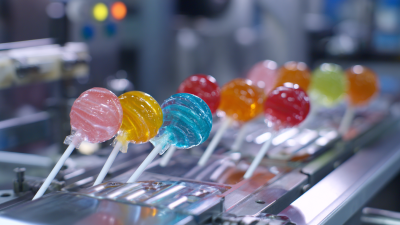
The global confectionery market is continuously evolving, with an increasing emphasis on production efficiency, particularly in the manufacturing of lollipops and hard candies. The modern production line for hard candies is engineered to enhance productivity and optimize the creation of various candy shapes, including toffee and sandwich toffee. By integrating advanced machinery such as slurry conveyors, heat-preserving rolling beds, and precision forming machines, manufacturers can streamline their operations and reduce waste, leading to both cost savings and improved product quality.

The versatile production line supports a diverse range of confectionery products. Its design accommodates the seamless transition from mixing to molding, significantly minimizing downtime. The cooling warehouse plays a pivotal role in enhancing the final product's texture and flavor by ensuring a controlled environment during the cooling process. This meticulous attention to detail not only boosts the efficiency of the production cycle but also meets the rising consumer demand for variety and high-quality confectioneries. By leveraging such technology, manufacturers are well-equipped to meet market trends while ensuring the sustainability of their production practices.

FAQS

: What should I consider regarding the capacity of a candy production line?

: Determine daily output needs. A small line may lead to bottlenecks. An oversized line can waste resources. Balance is key.

Why is flexibility important in a candy production line?

The candy industry has diverse products. A flexible line saves time and costs during product changes. Easy adjustments are beneficial, though challenging.

How does automation impact candy production lines?

Automation reduces labor costs and human error. However, the initial investment can be high. Assess your budget realistically to find the right fit.

What are typical costs for automated candy production lines?

Initial costs range from $200,000 to $1 million. Automated lines offer long-term savings but require careful financial planning.

How can technology integration help a candy production line?

Advanced technology can lower operation costs by 15-20%. Real-time monitoring helps minimize waste. Planning and training are crucial to avoid mistakes.

What are the maintenance needs for production lines?

Regular upkeep is essential for longevity. Budget 3-5% of equipment costs annually for maintenance. Neglecting this can cause costly production halts.

How can staff training affect production efficiency?

Proper training helps employees understand machinery and processes. Regular assessments can uncover improvement areas. Investing in ongoing training is vital.

What role does layout play in production efficiency?

A well-designed layout minimizes bottlenecks. This leads to smoother operations and faster output. Evaluate your current setup for potential improvements.

Why is balancing speed and quality important?

Speed and quality directly impact production effectiveness. Factors like temperature control affect outcomes. Small adjustments can yield significant gains.

How can outdated processes impact productivity?

Outdated methods can hinder overall efficiency. Investing in modern equipment may seem tough, but it often pays off in increased output. Reflect on current processes regularly.

Conclusion

When considering a Candy Production Line for your business, it's essential to first understand your specific production requirements. Different types of candy production lines are available, each designed for various scales and types of candies. Key features to look for include automation capabilities, ease of cleaning, and adaptability to different recipes. Cost considerations should also play a crucial role, as the initial investment must align with expected returns and production efficiency.

Additionally, evaluating the efficiency of different production lines is vital in ensuring optimal output and resource use. Maintenance and support are other important factors, as reliable service can minimize downtime and extend the equipment's lifespan. Finally, staying informed about future trends in candy production technology can help businesses remain competitive in an evolving market, ensuring that their Candy Production Line meets both current demands and future opportunities.

Lila

Lila

Lila is a dedicated marketing professional at Guangdong Bochuan Machinery Technology Co., Ltd., an industry leader in the research, development, manufacturing, and marketing of diverse candy and food packing machines. With a profound understanding of the company's innovative products, Lila plays a......
Previous What is a Sauce Packaging Machine and How Does it Work?