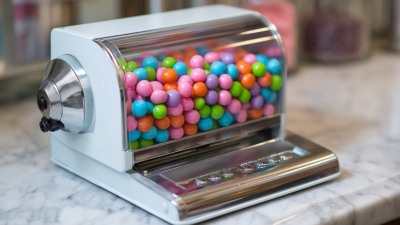
As we get closer to 2026, it’s pretty clear that the candy industry is on the brink of some big changes. If you’re in the game, it’s super important to keep up with the latest trends in Candy Production Line technology. This year, we’re seeing new machines, fresh processes, and a bigger push towards sustainability. Companies like SweetTech Innovations and CandyFlow Systems are really pushing the envelope when it comes to automation and making things more efficient.
One trend gaining serious traction is eco-friendly packaging. More and more consumers want treats that not only taste great but are good for the planet too. That said, mixing these new eco-friendly practices into existing production lines isn’t always smooth sailing. Some manufacturers find it tough to update old systems to meet modern demands.
It’s definitely worth learning from these hurdles. Companies need to take a good look at how they make their sweets and make sure they stay competitive. If they embrace these trends with care, the payoff could be huge — long-term benefits, for sure. Moving forward, the future of candy production seems to be all about finding that sweet spot between keeping tradition alive and jumping into innovation.
The candy production industry is rapidly evolving. In 2026, several emerging technologies will shape how candies are made. One significant trend is the use of automation. Machines will take over repetitive tasks. This reduces human error and increases efficiency. However, relying too much on machines might lead to a loss of artisanal skills.
Another important aspect is the integration of smart technology. Production lines will utilize IoT devices for real-time monitoring. This advancement allows for precise adjustments during the manufacturing process. Yet, the challenge lies in data management. Too much data can overwhelm operators, leading to mistakes.
Tips: Keep training staff on new tech. Balance automation and human touch. Engage your team in discussions about challenges. Their insights may offer unexpected solutions. Ultimately, striking the right balance will be crucial for success in this fast-paced industry.
Sustainability is reshaping the candy industry. Studies show that consumers increasingly prefer eco-friendly products. About 70% of shoppers are inclined to choose brands that prioritize sustainability. This shift demands change from manufacturers.
Many companies are revamping production lines to reduce waste and energy use. For instance, practices like using renewable energy sources are becoming common. The global focus on reducing carbon footprints drives innovation. Interestingly, some brands aim for zero waste by adopting circular economy principles. However, not all companies excel in this area.
Packaging is another crucial aspect. Research indicates that 60% of consumers want more sustainable packaging options. Yet, many candies still use plastic that takes decades to decompose. Brands need to reconsider their choices as environmental regulations tighten. The challenge now lies in balancing cost and eco-friendly practices, ensuring that sustainability does not come at the expense of quality.
In 2026, automation and robotics transform the candy manufacturing sector. This revolution improves efficiency and increases production rates. Manufacturers now harness advanced robotics for tasks like sorting and packaging with precision. These machines work tirelessly, reducing human error and material waste.
Nonetheless, challenges remain. Integrating new technologies can be costly for small producers. Training staff to work with advanced systems is essential. The shift from human labor to machines raises questions about job security and the need for a skilled workforce.
Additionally, while robotics enhance consistency in production, they can lack the creative touch found in handmade confections. Balancing automation while preserving artisanal methods poses an ongoing dilemma for many manufacturers. Embracing innovation is vital, but it’s equally important to reflect on the human aspect of candy making.
Consumer preferences are shifting rapidly, influencing candy production trends for 2026. Many consumers are leaning towards healthier options. This includes reduced sugar, natural ingredients, and plant-based alternatives. Producers need to adapt quickly to keep up. Some are experimenting with new sweeteners and flavors to meet this demand.
Moreover, sustainability is a key factor. Eco-friendly packaging is becoming essential. Many buyers prefer brands that focus on environmental impact. This has led to a rise in biodegradable and recyclable materials. However, sourcing these materials can be challenging and costly. Companies should rethink their supply chains to align with these preferences.
Additionally, personalization is on the rise. Many consumers enjoy unique candy experiences. This means producers must consider customizable options. Yet, implementing this can complicate production lines. Balancing efficiency with creativity becomes a tough task. It's vital to listen to customers while maintaining profitability.
The candy market is evolving rapidly, with innovative packaging solutions becoming crucial. Modern consumers care about aesthetics and sustainability. According to a recent report, 74% of consumers prioritize environmentally friendly packaging. This statistic highlights the shift toward biodegradable materials. Brands are exploring various materials beyond traditional plastics.
Visual appeal is also essential. Bright colors and engaging designs attract buyers, especially younger demographics. Research indicates that well-designed packaging can increase sales by up to 30%. However, many brands struggle to balance creativity with practicality. Excessive packaging can lead to waste, contradicting sustainability goals.
Furthermore, smart packaging technology is gaining traction. This includes QR codes and NFC tags to enhance user interaction. According to industry experts, 45% of consumers appreciate such features. Yet, some companies hesitate to adopt these technologies due to costs. There’s a clear need for innovative yet sustainable solutions. Brands must reflect on their packaging strategies to align with modern consumer expectations.
Consumers are becoming more health-conscious. This shift is influencing candy production. Many are looking for options that align with healthier lifestyles. Traditional ingredients are being replaced by alternatives that offer better nutritional value. This trend is more than a passing fad; it's a significant change.
Fruits, nuts, and whole grains are now popular choices. They provide unique textures and flavors that appeal to new palates. However, not every product meets these new standards. Some candies still rely on high sugar content and artificial ingredients. This inconsistency raises questions about the industry's commitment to health.
Adapting to this trend requires careful thought. Manufacturers struggle to balance indulgence with health benefits. Innovations in candy recipes and processing are essential. The path ahead involves trial and error, as tastes continue to evolve. Responding effectively to consumer demand can reshape the future of candy production.
The candy production industry is observing remarkable changes in 2026. Market trends reflect a growing demand for healthier options. Consumers increasingly prioritize low-sugar and organic ingredients. The focus is shifting towards sustainable sourcing and eco-friendly packaging. These shifts compel manufacturers to innovate creatively.
Advanced technologies are also playing a vital role. Automation is streamlining production processes. However, reliance on technology can lead to quality control issues. Balancing efficiency with product integrity is essential for success. Innovations in flavors and textures are emerging, capturing consumer interest. Yet, some producers struggle to adapt, missing the evolving consumer preferences.
Additionally, the rise of online retail changes distribution channels. Businesses must adapt to compete. Social media influences consumer behavior, making branding more important than ever. Yet, this constant change can overwhelm manufacturers. It’s crucial for companies to remain flexible and responsive to these trends. They must continuously assess their strategies, or risk falling behind.
: Sustainable practices aim to reduce environmental impact and conserve resources. They help maintain ecological balance.
Individuals can reduce waste, recycle, and conserve water. Small actions can make a significant difference over time.
Reducing plastic helps decrease pollution and protects wildlife. It also minimizes harmful microplastics in ecosystems.
Many people lack awareness or find it inconvenient. Some believe their efforts won’t make a difference.
High energy consumption leads to greater carbon emissions. Finding energy-efficient solutions is crucial for a sustainable future.
Businesses can innovate to reduce waste and energy use. Commitment to sustainability can enhance brand reputation.
Diets high in meat contribute significantly to greenhouse gas emissions. Plant-based diets can reduce this environmental burden.
Communities can host clean-up events and promote local agriculture. Collaboration increases awareness and fosters change.
Urban areas face pollution and resource depletion. Balancing growth and sustainability is a complex challenge.
Change can be uncomfortable. People may also fear cost implications or doubt the effectiveness of their choices.
The article "2026 Top Candy Production Line Trends You Need to Know" explores the significant advancements expected in the candy production line over the coming years. It highlights emerging technologies that are set to revolutionize existing processes, with a focus on sustainability practices that will redefine the industry's future. Automation and robotics are central to enhancing efficiency, ensuring that manufacturers can meet rising consumer demands while optimizing production.
As consumer preferences evolve, candy production lines must adapt to incorporate health-conscious ingredients and innovative packaging solutions. These trends reflect a broader understanding of global market dynamics shaping the candy industry in 2026. By integrating these cutting-edge practices, manufacturers will not only improve operational performance but also align with the growing consumer desire for environmentally friendly and healthier options in the candy marketplace.